
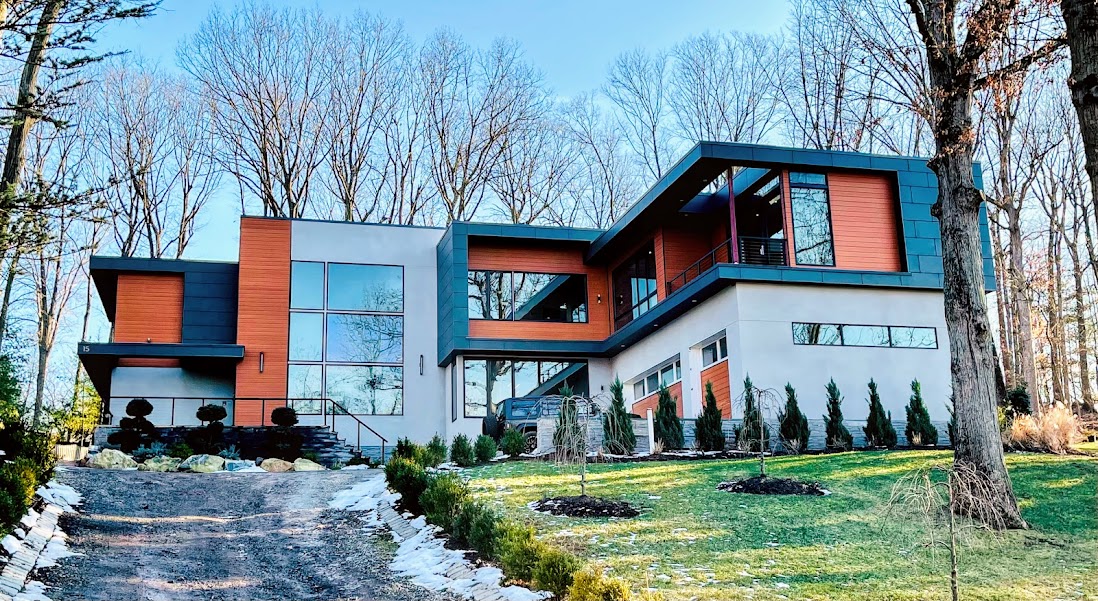
Composite Siding Profiles & Boards by Resysta Building Products
Why Composite Siding Is a Smarter Alternative to Wood?
For years, siding has been a go-to solution for enhancing curb appeal and protecting building exteriors. While many materials are available today, not all offer the same balance of aesthetics, durability, and sustainability.
Resysta's selection of composite siding profiles stands out as a 100% eco-friendly, low maintenance option with a natural look and feel of wood. Its long-lasting performance and minimal upkeep requirements have made it a favorite among architects, homeowners, and contractors across the USA.
It resists moisture, fading, and cracking, even in harsh climates, making it ideal for both residential and commercial applications. With over 30 available finishes, Resysta offers the flexibility to match any exterior design style.
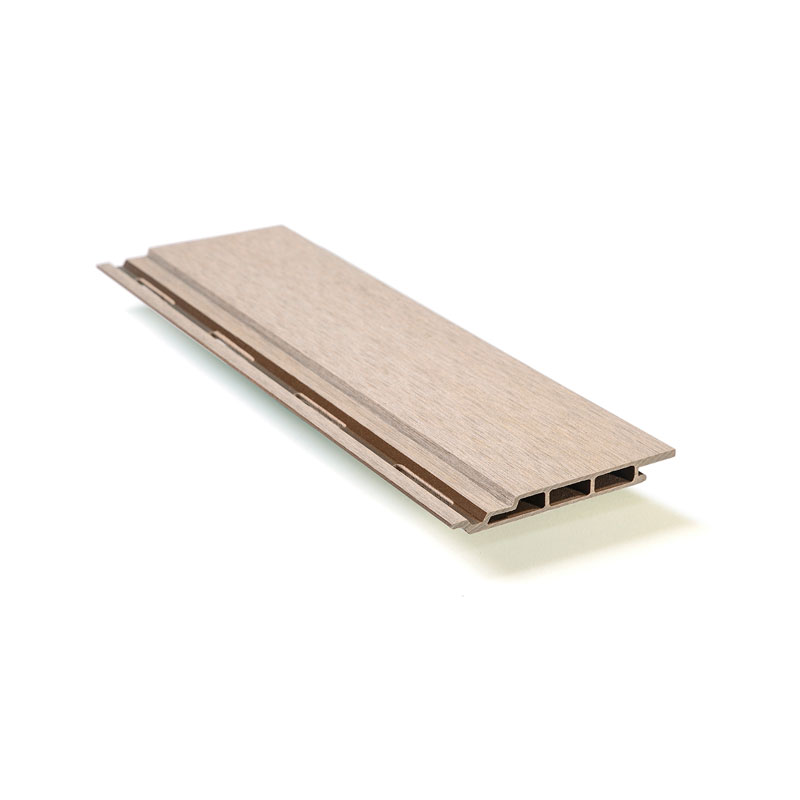
Explore Resysta's versatile range of siding profiles and accessories:
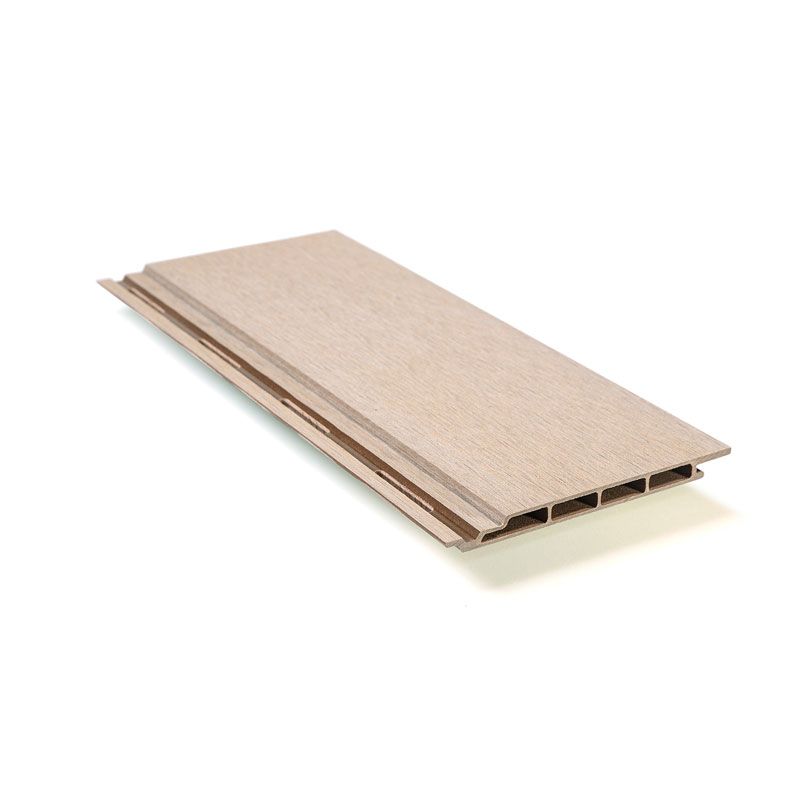
6" SIDING PROFILE
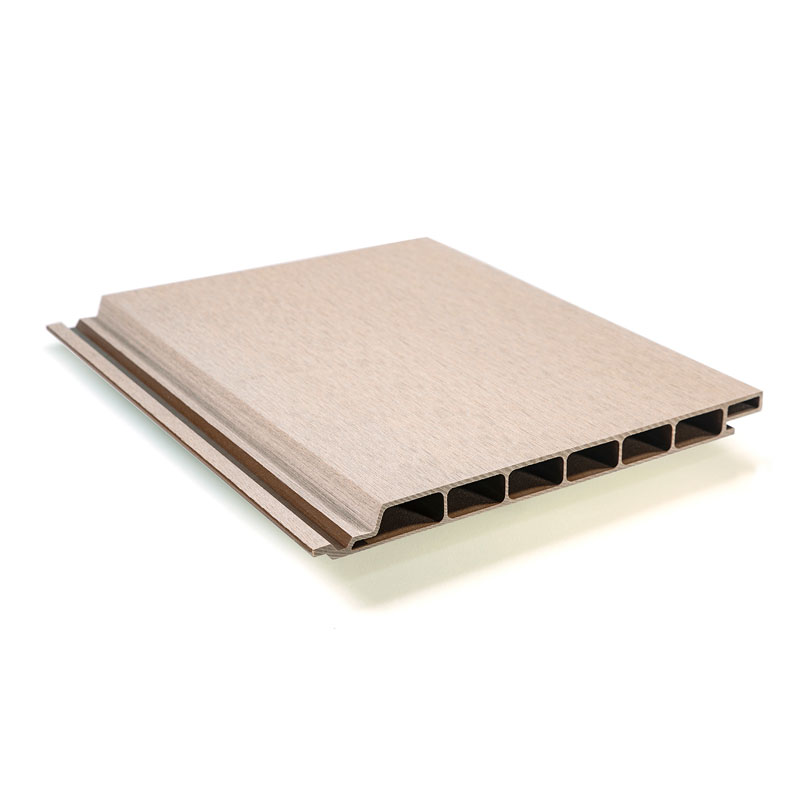
12" SIDING PROFILE
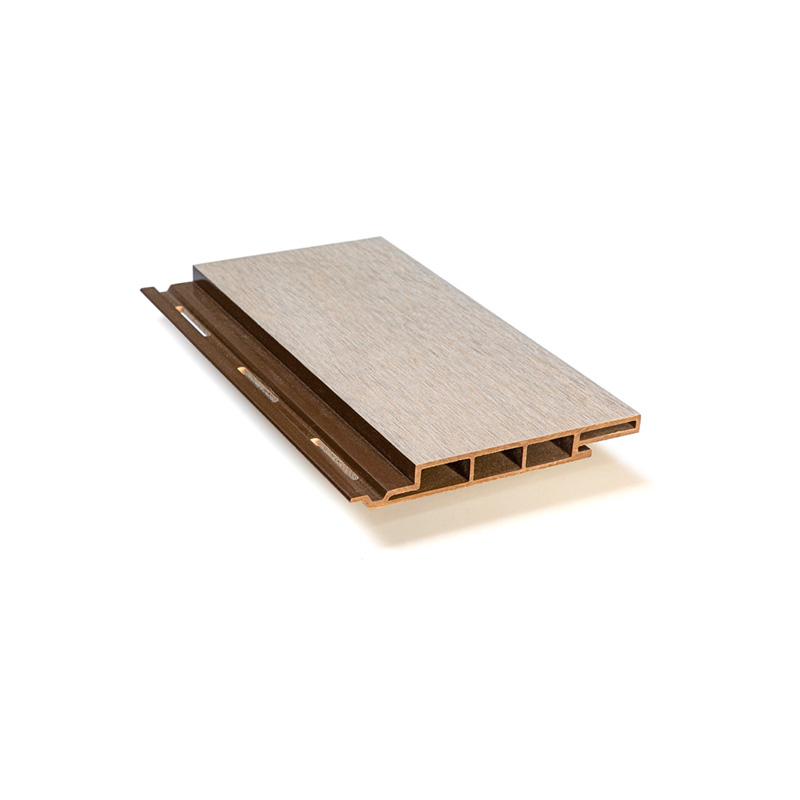
6" DECO PROFILE
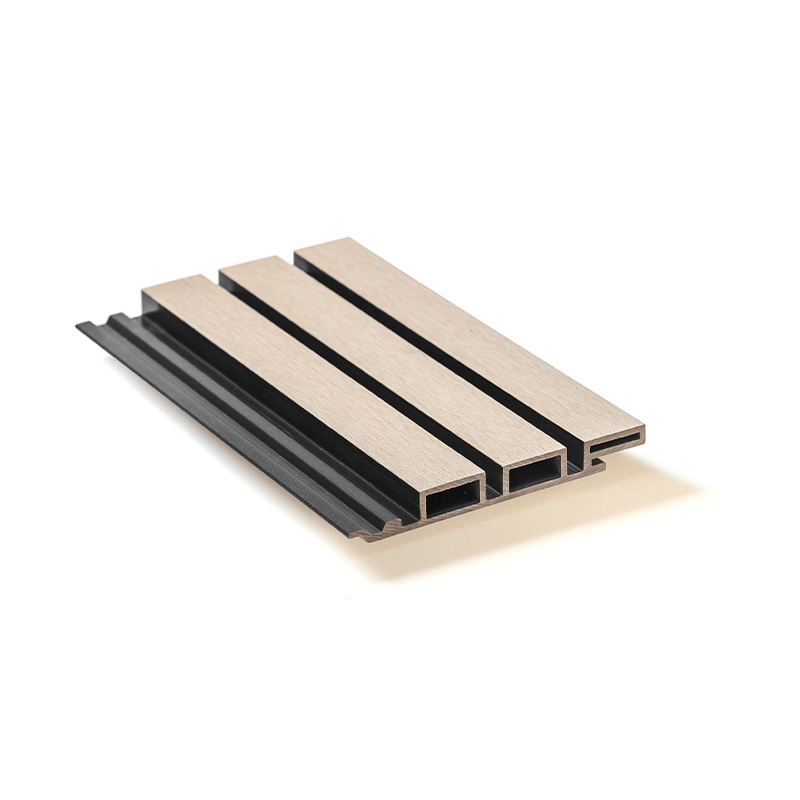
6" LUSSO PROFILE
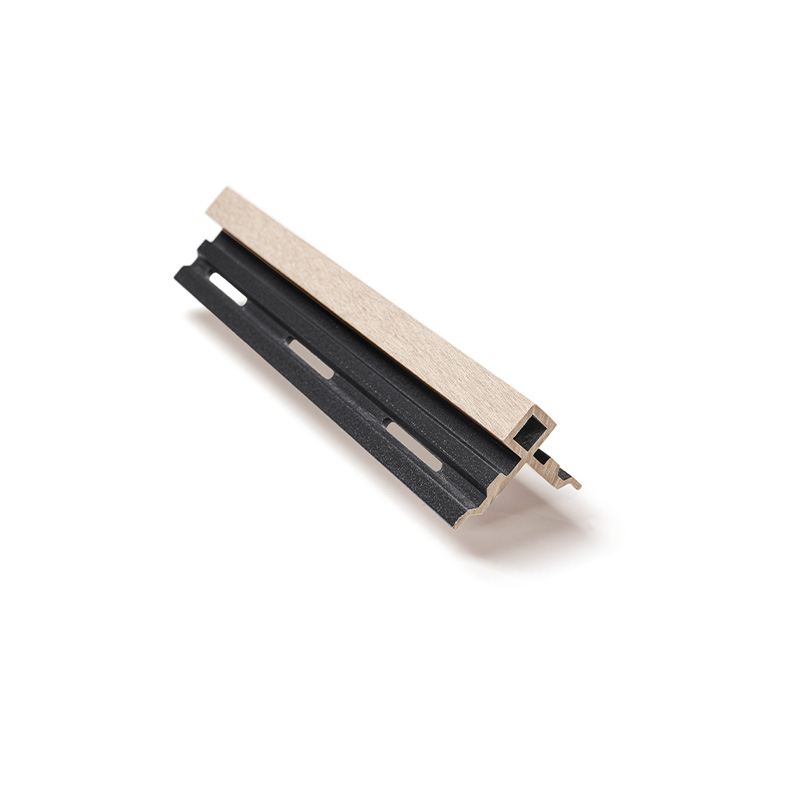
DECO CORNER
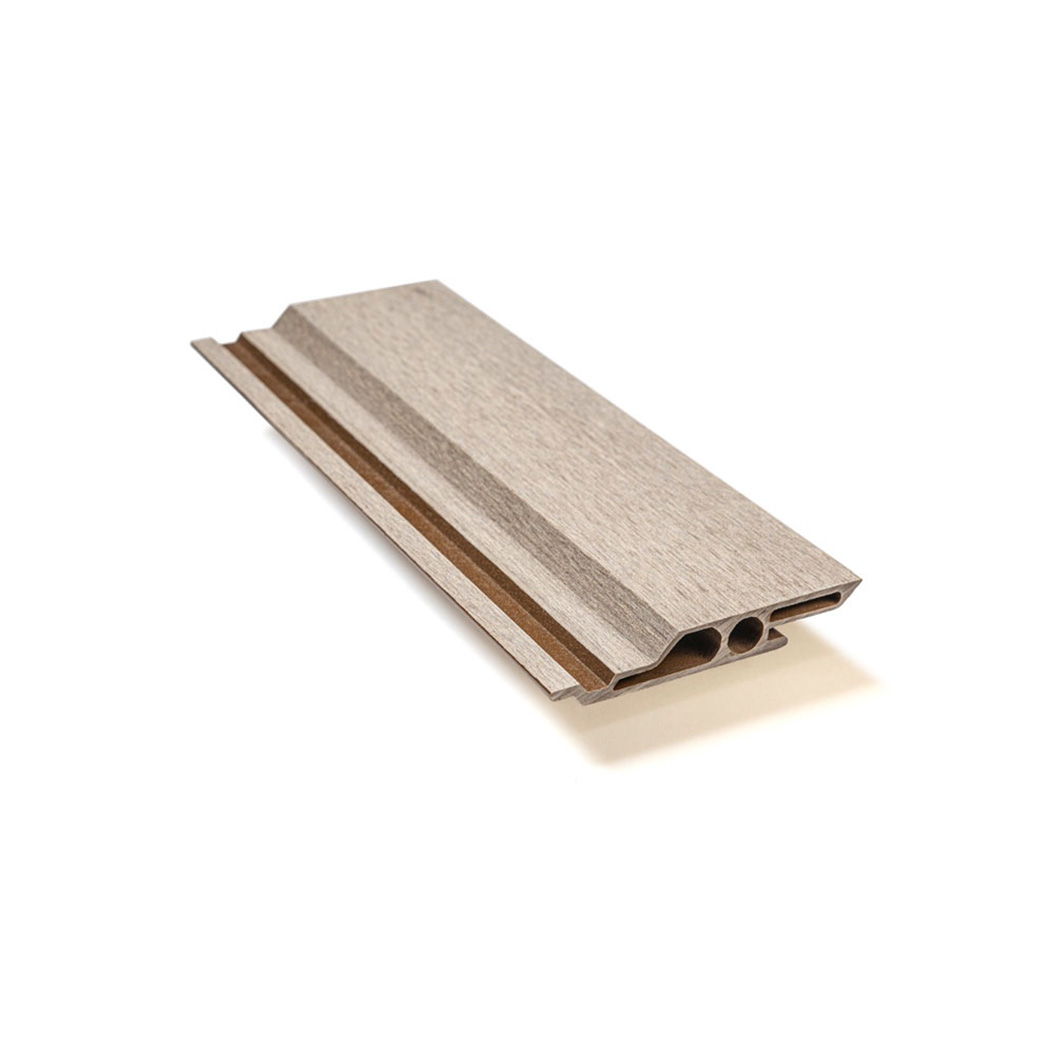
RHOMBUS SIDING PROFILE
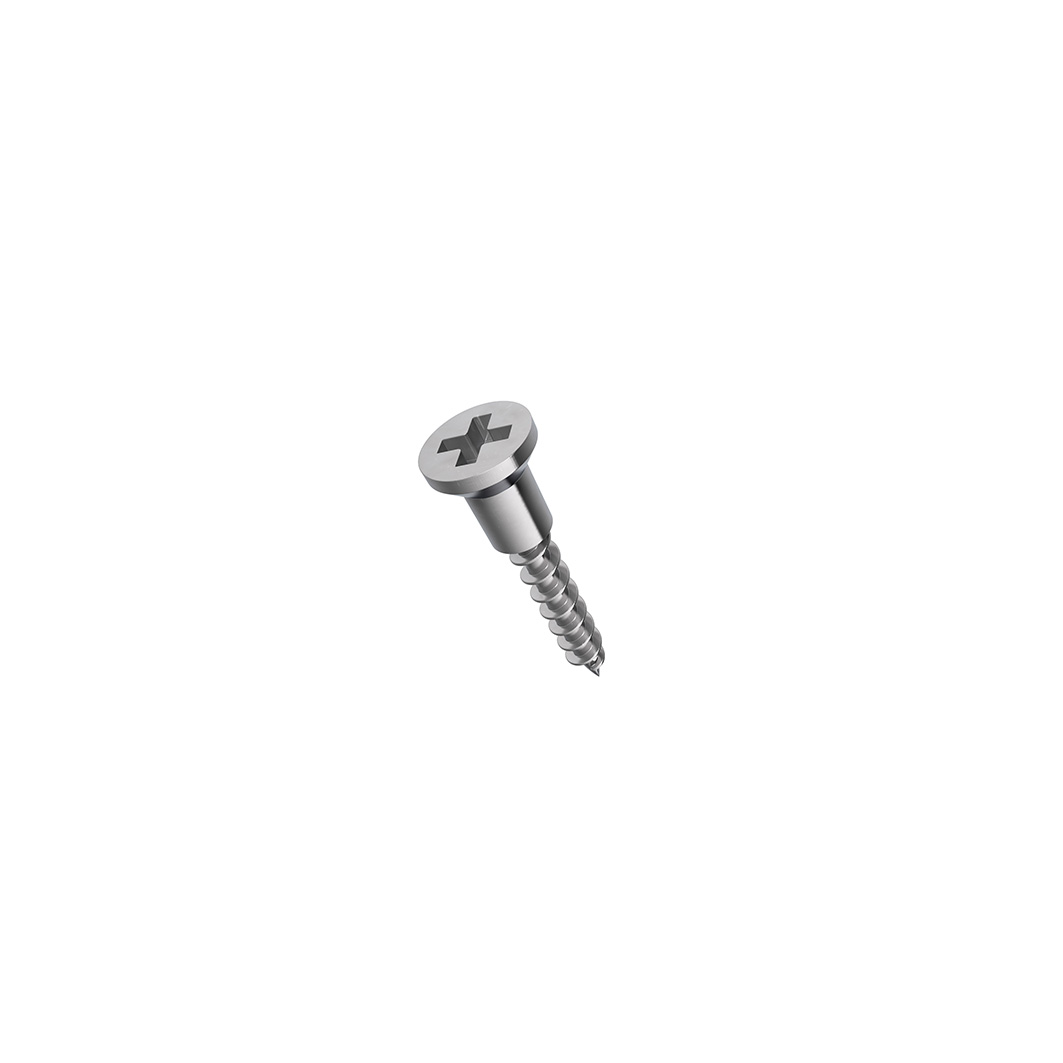
1" TEC SHOULDER, STAINLESS STEEL, SIDING SCREW
Why Ventilation Matters in Composite Siding Installations?
A rainscreen system is a smart way to protect buildings from water infiltration. It includes an outer layer of siding or cladding, such as composite siding, installed over insulation, and a moisture barrier. Between these layers is a ventilated gap known as the 'rainscreen,' which allows for both drainage and airflow.
Proper ventilation within this system is crucial. Without it, moisture can become trapped inside the wall cavity, leading to mold, rot, and long-term structural damage. The ventilation space helps release this moisture, keeping the building envelope dry and protected.
How Rainscreen Systems Enhance the Performance of Composite Siding?
Composite siding benefits greatly from a well-designed rainscreen system. By allowing air to circulate, the system helps regulate humidity and temperature levels within the walls. This not only protects the material but also contributes to better indoor air quality and a more comfortable living environment.
Ventilation also plays a key role in energy efficiency. Natural airflow within the rainscreen reduces the need for mechanical heating and cooling, cutting down on energy consumption and operating costs. It's a smart choice for anyone looking to create a more sustainable, low-maintenance exterior.
Bottom Line: Long-Term Benefits of Ventilated Rainscreens
Ventilation is an essential element of any effective rainscreen system. It helps prevent moisture damage, improves temperature and humidity control, and boosts the energy efficiency of the building. When paired with durable, low-maintenance materials like Resysta's composite siding, a properly ventilated rainscreen can significantly enhance the longevity and performance of your exterior walls.

Labor time
Labor is often the most significant cost factor in any build. Planning and preparing the substructure or boards requires precision, which is why Resysta partners with you to ensure efficient project execution from concept to completion.
Material
Resysta profiles come in multiple options, varying in thickness and width of planks; solid material or hollow channels. Depending on the distributor and project requirements, boards can also be pre-glazed in standard or custom colors and sealed.
Area size
The total area of your project is a key factor in determining overall costs. Accurate measurements help optimize material use, minimize waste, and ensure precise and efficient installation. Contact us for any support or guidance you need during planning.
FAQs
How do Resysta composite siding compare to traditional wood?
Unlike traditional wood, Resysta siding is resistant to water, UV rays, pests, and rot. It does not splinter, crack, or fade, making it a long-lasting and low-maintenance alternative.
Does Resysta siding resist mold and mildew?
Yes. Thanks to its water-resistant composition, Resysta siding naturally resists mold, mildew, and fungal growth, making it an excellent choice for humid or rainy climates.
Can Resysta siding be used for both residential and commercial buildings?
Definitely. Resysta siding is engineered for versatility and performance, making it suitable for homes, apartment buildings, offices, retail spaces, and other commercial properties.
Is Resysta siding safe for coastal and high-moisture areas?
Yes. Resysta siding is ideal for coastal environments where salt air and moisture can damage traditional materials. Its resistance to water and corrosion makes it a durable choice near oceans, lakes, or pools.