
What Is the Best Decking Material?
Key Takeaways
- The best decking material depends on your budget, maintenance preferences, climate, and desired appearance.
- Composite decking is a popular choice because it is durable, low maintenance, and resistant to rot, insects, and fading.
- Natural hardwood decking offers a premium look and exceptional longevity but requires regular maintenance to preserve its appearance.
- PVC and aluminum decking provide excellent moisture resistance and minimal upkeep, making them ideal for wet or coastal climates.
- Choosing a high-quality decking material and ensuring proper installation can help your deck last for decades while adding value to your home.
Table Of Contents
- Why Choosing the Right Decking Material Matters
- Types of Decking Materials
- Composite Decking
- Benefits
- Things to Consider
- Natural Hardwood Decking
- Benefits
- Things to Consider
- Pressure-Treated Wood
- Benefits
- Things to Consider
- PVC Decking
- Benefits
- Things to Consider
- Cedar Decking
- Benefits
- Things to Consider
- Redwood Decking
- Benefits
- Things to Consider
- Aluminum Decking
- Benefits
- Things to Consider
- Which Decking Material Lasts the Longest?
- Which Decking Material Requires the Least Maintenance?
- Which Decking Material Looks the Most Natural?
- Best Decking Material for Wet Climates
- Best Decking Material for Hot Climates
- Best Decking Material for Families
- Best Decking Material for Pets
- Decking Material Cost Comparison
- Factors to Consider Before Choosing
- What Is Your Budget?
- How Much Maintenance Are You Willing to Do?
- What Climate Do You Live In?
- What Style Do You Prefer?
- How Long Do You Plan to Stay in Your Home?
- Which Decking Material Adds the Most Value?
- Common Mistakes to Avoid
- Conclusion
A deck is one of the best ways to expand your outdoor living space. Whether you're building a place to relax, entertain guests, or enjoy family gatherings, choosing the right decking material is one of the most important decisions you'll make.
With so many options available, many homeowners ask the same question: What is the best decking material?
The answer depends on your budget, maintenance preferences, climate, and the look you want to achieve. Some materials offer natural beauty, while others provide long-lasting durability with very little upkeep.
In this guide, we'll compare the most popular decking materials, their benefits, and what to consider before making your decision.
Why Choosing the Right Decking Material Matters
Your deck is exposed to sun, rain, moisture, temperature changes, and everyday foot traffic. The material you choose affects:
- Durability
- Maintenance requirements
- Appearance
- Comfort
- Safety
- Long-term value
Selecting the right decking material helps ensure your deck looks great and performs well for many years.
Types of Decking Materials
Several decking materials are commonly used today.
The most popular options include:
- Composite decking
- Natural hardwood
- Pressure-treated wood
- PVC decking
- Cedar
- Redwood
- Aluminum decking
Each material has its own advantages depending on your needs.
Composite Decking
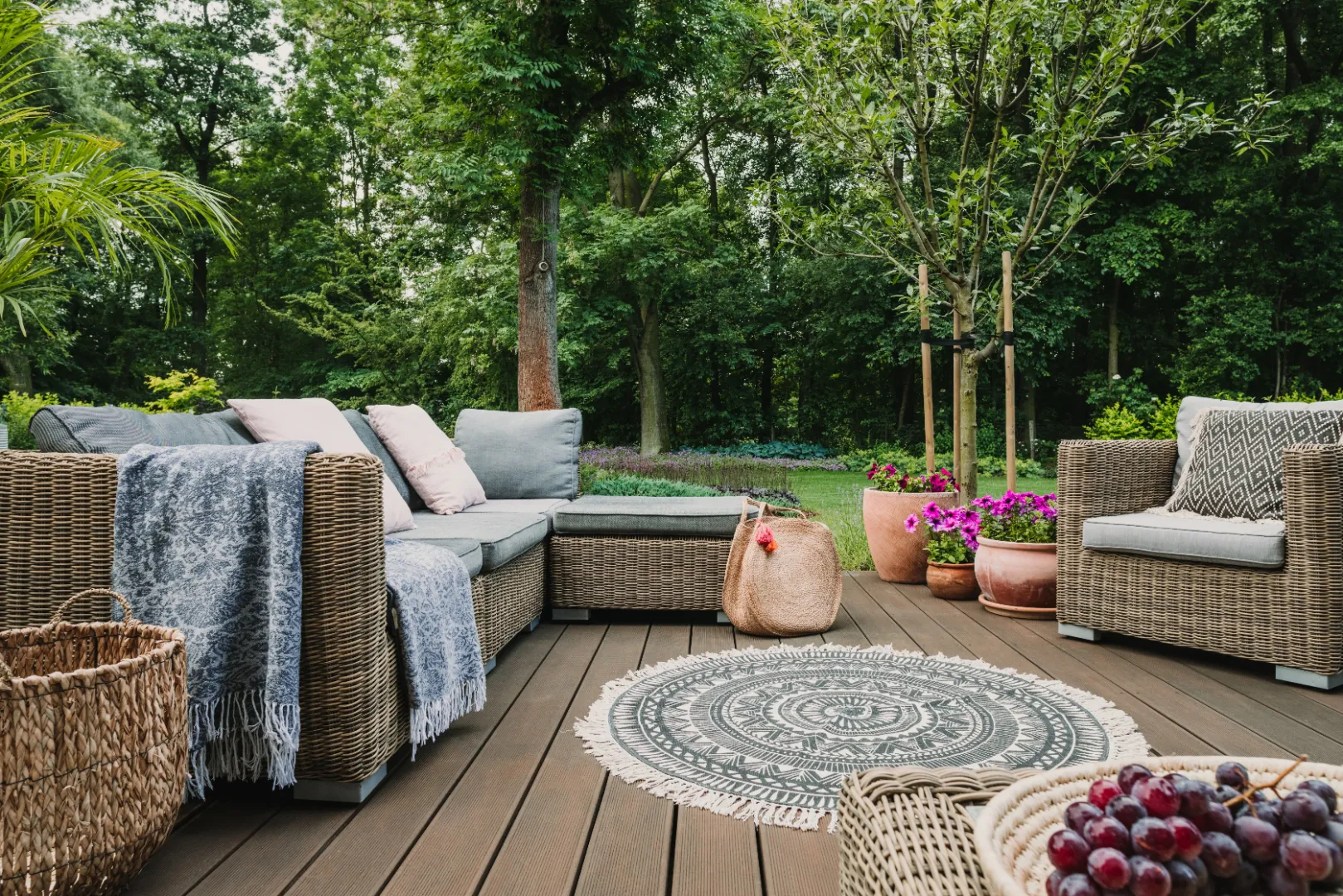
Composite decking has become one of the most popular choices for homeowners.
It is made from a blend of recycled wood fibers and plastic, creating a strong, durable surface that closely resembles real wood.
Benefits
- Low maintenance
- Resistant to rot
- Does not require staining
- Long lifespan
- Resistant to insects
- Available in many colors and textures
Composite decking only requires occasional cleaning with soap and water, making it an excellent choice for homeowners who want less maintenance.
Things to Consider
Composite decking usually costs more upfront than pressure-treated wood, but lower maintenance costs often make it more economical over time.
Natural Hardwood Decking
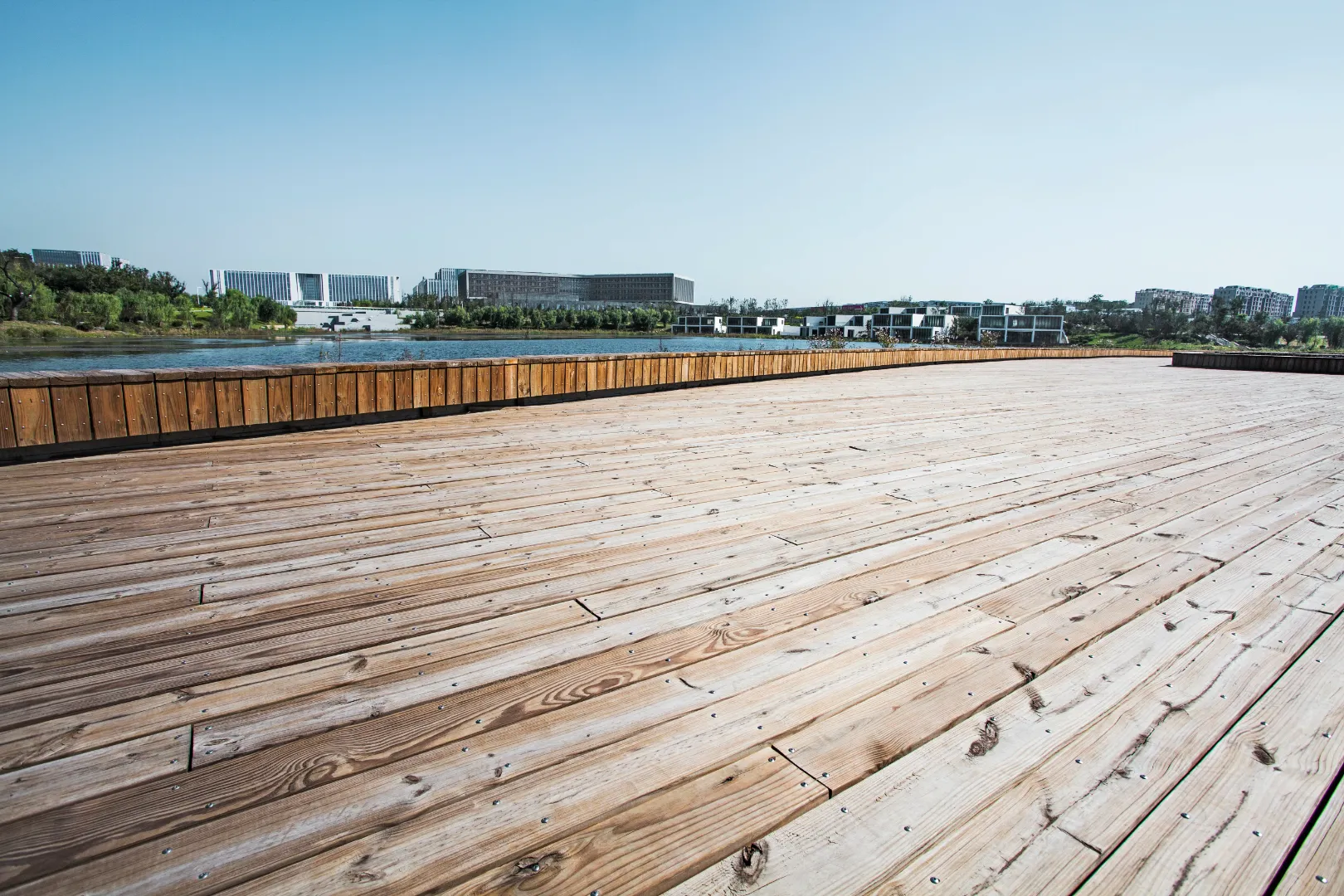
Hardwood decking is known for its beauty, strength, and long lifespan.
Popular hardwoods include:
- Ipe
- Cumaru
- Tigerwood
- Garapa
- Massaranduba
These woods naturally resist insects, moisture, and decay.
Benefits
- Rich natural appearance
- Extremely durable
- Long lifespan
- Excellent strength
- High-end look
With proper maintenance, hardwood decks can last for decades.
Things to Consider
Hardwoods require periodic cleaning and oiling to maintain their original color.
Without maintenance, they gradually weather into a silver-gray appearance.
Pressure-Treated Wood
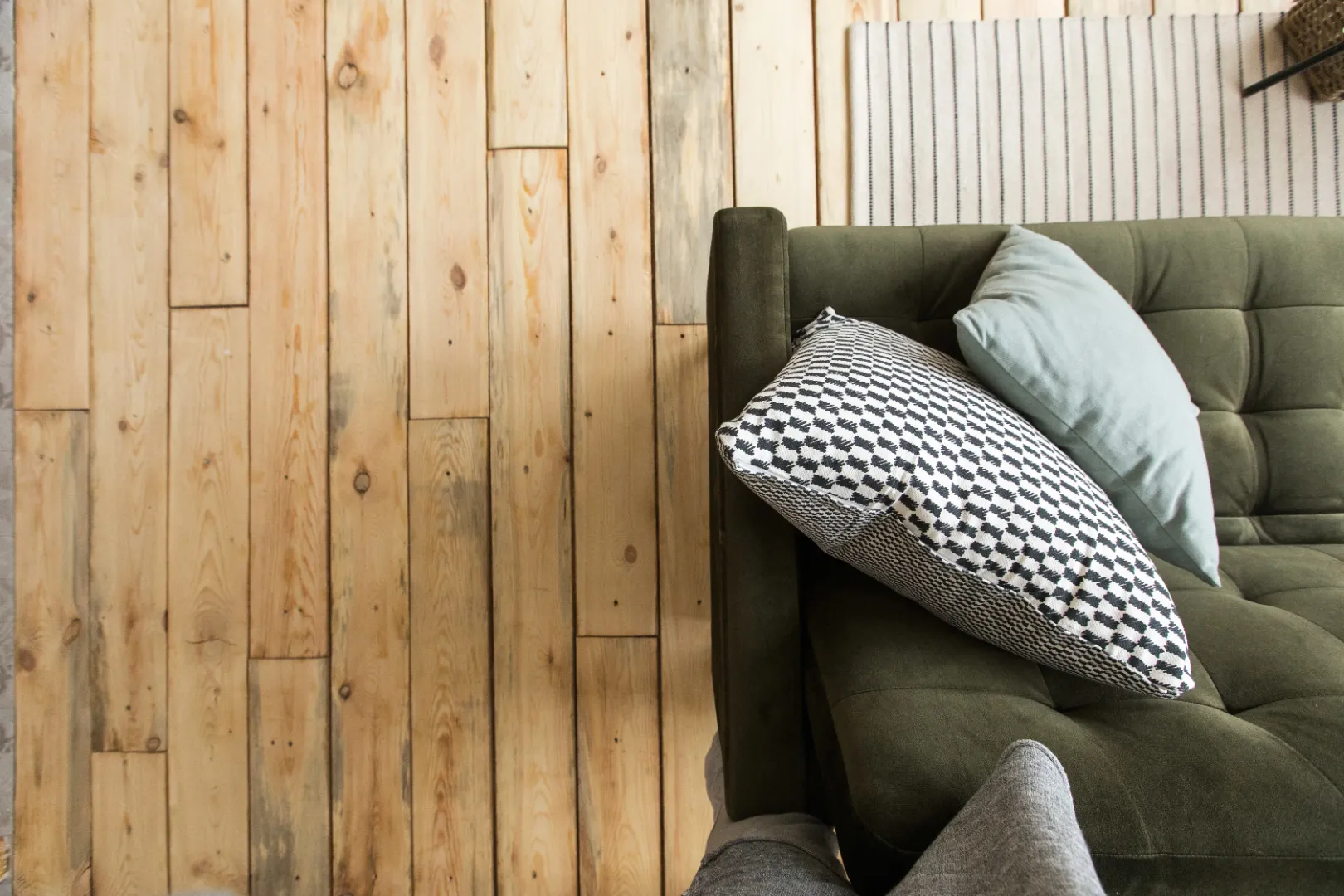
Pressure-treated lumber remains one of the most affordable decking materials.
The wood is treated with preservatives that help resist insects and decay.
Benefits
- Lower initial cost
- Easy to find
- Simple to install
- Widely available
Things to Consider
Pressure-treated wood requires:
- Regular staining
- Sealing
- Cleaning
- Periodic repairs
It may also crack, warp, or splinter over time.
PVC Decking
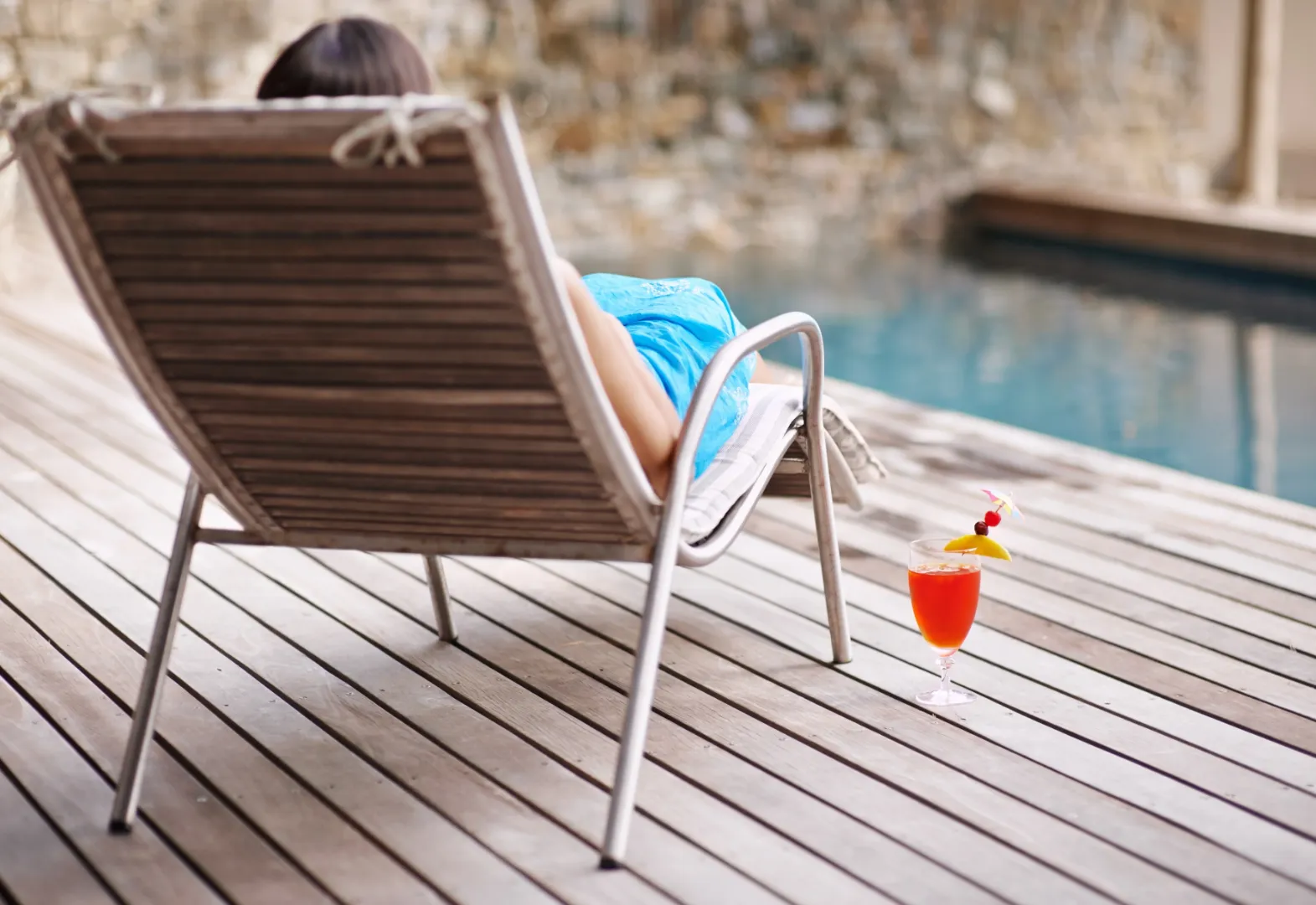
PVC decking contains no wood fibers.
Instead, it is made entirely from synthetic materials.
Benefits
- Highly moisture resistant
- Won't rot
- Very low maintenance
- Resistant to insects
- Easy to clean
PVC works particularly well in humid or coastal climates.
Things to Consider
Some homeowners prefer the more natural appearance of wood or composite.
PVC may also become warmer in direct sunlight depending on the color.
Cedar Decking
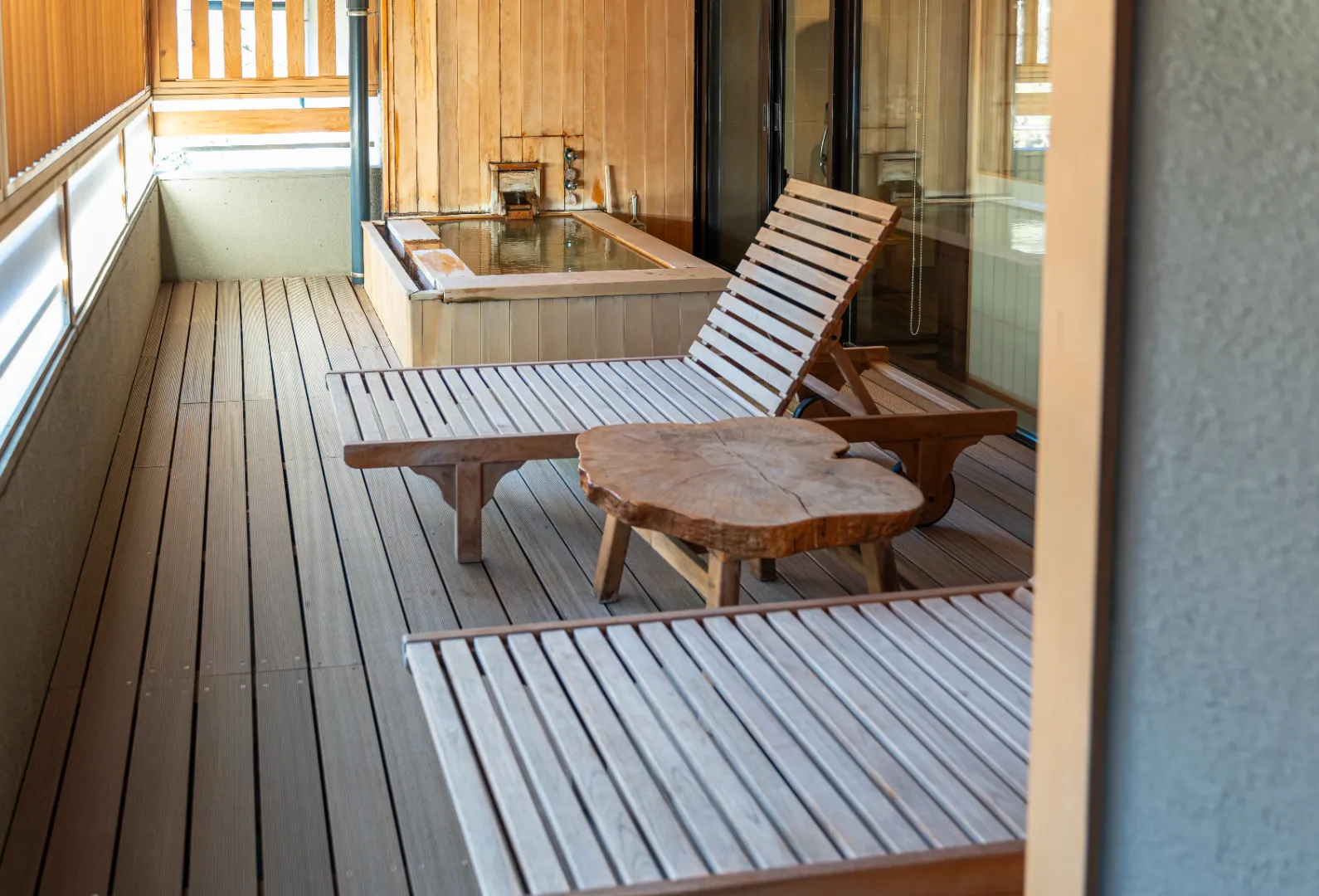
Cedar has long been a popular decking material because of its natural beauty and pleasant appearance.
Benefits
- Attractive wood grain
- Naturally resistant to insects
- Lightweight
- Easy to work with
Things to Consider
Cedar requires regular maintenance to preserve its appearance.
Without proper care, it may fade, crack, or weather over time.
Redwood Decking
Redwood offers beautiful natural color and good durability.
Benefits
- Rich appearance
- Natural resistance to insects
- Stable wood
- Attractive finish
Things to Consider
Redwood is often more expensive and may not be available in every region.
Aluminum Decking
Although less common, aluminum decking offers outstanding durability.
Benefits
- Extremely long lifespan
- Fire resistant
- Won't rot
- Resistant to insects
- Low maintenance
Things to Consider
Higher initial cost makes aluminum less common for residential decks.
Which Decking Material Lasts the Longest?
Several materials offer excellent longevity.
Approximate lifespans include:
| Material | Typical Lifespan |
| Composite | 25–30+ years |
| Hardwood | 30–50+ years |
| PVC | 30+ years |
| Pressure-treated wood | 15–25 years |
| Cedar | 15–25 years |
| Redwood | 20–30 years |
| Aluminum | 40+ years |
Actual lifespan depends on installation quality and maintenance.
Which Decking Material Requires the Least Maintenance?
If you want minimal upkeep, these materials rank highest:
- Composite decking
- PVC decking
- Aluminum decking
These options generally require only occasional cleaning.
Natural wood requires more frequent maintenance to preserve its appearance.
Which Decking Material Looks the Most Natural?
Many homeowners prefer the appearance of real wood.
Hardwood decking offers:
- Natural grain
- Rich color variation
- Premium appearance
- Timeless style
Modern composite decking has also become much more realistic, with textured surfaces that closely resemble natural wood.
Best Decking Material for Wet Climates
Moisture can shorten the life of many decking materials.
For rainy or humid environments, good options include:
- Composite decking
- PVC decking
- Tropical hardwoods
These materials resist moisture better than untreated wood.
Best Decking Material for Hot Climates
Strong sunlight can affect deck performance.
Good choices include:
- Hardwood decking
- Composite decking with heat-resistant technology
- Lighter-colored decking materials
Lighter colors generally stay cooler than darker surfaces.
Best Decking Material for Families
Families often look for decking that is:
- Safe
- Durable
- Comfortable
- Easy to clean
Composite decking is a popular choice because it resists splinters and requires little maintenance.
Best Decking Material for Pets
Pet owners often choose decking that is:
- Scratch resistant
- Easy to clean
- Comfortable to walk on
- Resistant to stains
Composite decking performs well in many pet-friendly outdoor spaces.
Decking Material Cost Comparison
Decking costs vary depending on the material.
Generally:
- Pressure-treated wood has the lowest upfront cost.
- Composite falls in the middle to upper range.
- Hardwood costs more initially but offers excellent longevity.
- PVC is typically premium priced.
- Aluminum is usually the most expensive.
Remember that lower maintenance can reduce long-term ownership costs.
Factors to Consider Before Choosing
Ask yourself the following questions:
What Is Your Budget?
Consider both installation costs and future maintenance expenses.
How Much Maintenance Are You Willing to Do?
Some materials need annual maintenance, while others require very little.
What Climate Do You Live In?
Moisture, snow, heat, and UV exposure all influence material performance.
What Style Do You Prefer?
Some homeowners love natural wood.
Others prefer the consistent appearance of composite decking.
How Long Do You Plan to Stay in Your Home?
If you plan to stay for many years, investing in a durable material may provide better value.
Which Decking Material Adds the Most Value?
A well-built deck can improve outdoor living space and increase buyer appeal.
Composite and premium hardwood decking are often viewed as attractive upgrades because they combine durability with visual appeal.
Quality installation is just as important as the material itself.
Common Mistakes to Avoid
When choosing decking material, avoid these mistakes:
- Choosing based only on price
- Ignoring maintenance requirements
- Overlooking local climate
- Using poor-quality fasteners
- Skipping proper installation
- Forgetting about long-term costs
Taking time to compare options can save money later.
Conclusion
The best decking material depends on your lifestyle, budget, and long-term goals. If you want low maintenance and reliable performance, composite decking is an excellent choice. If you prefer the natural beauty and premium look of real wood, tropical hardwoods offer exceptional durability and timeless appeal. Pressure-treated wood remains a budget-friendly option, while PVC and aluminum provide outstanding resistance to moisture and wear.
No matter which material you choose, proper installation and regular care will help your deck stay safe, attractive, and functional for years. By comparing the benefits of each option, you can confidently select the decking material that best fits your outdoor space and future needs.