
What Is the Best Siding for a House?
Key Takeaways
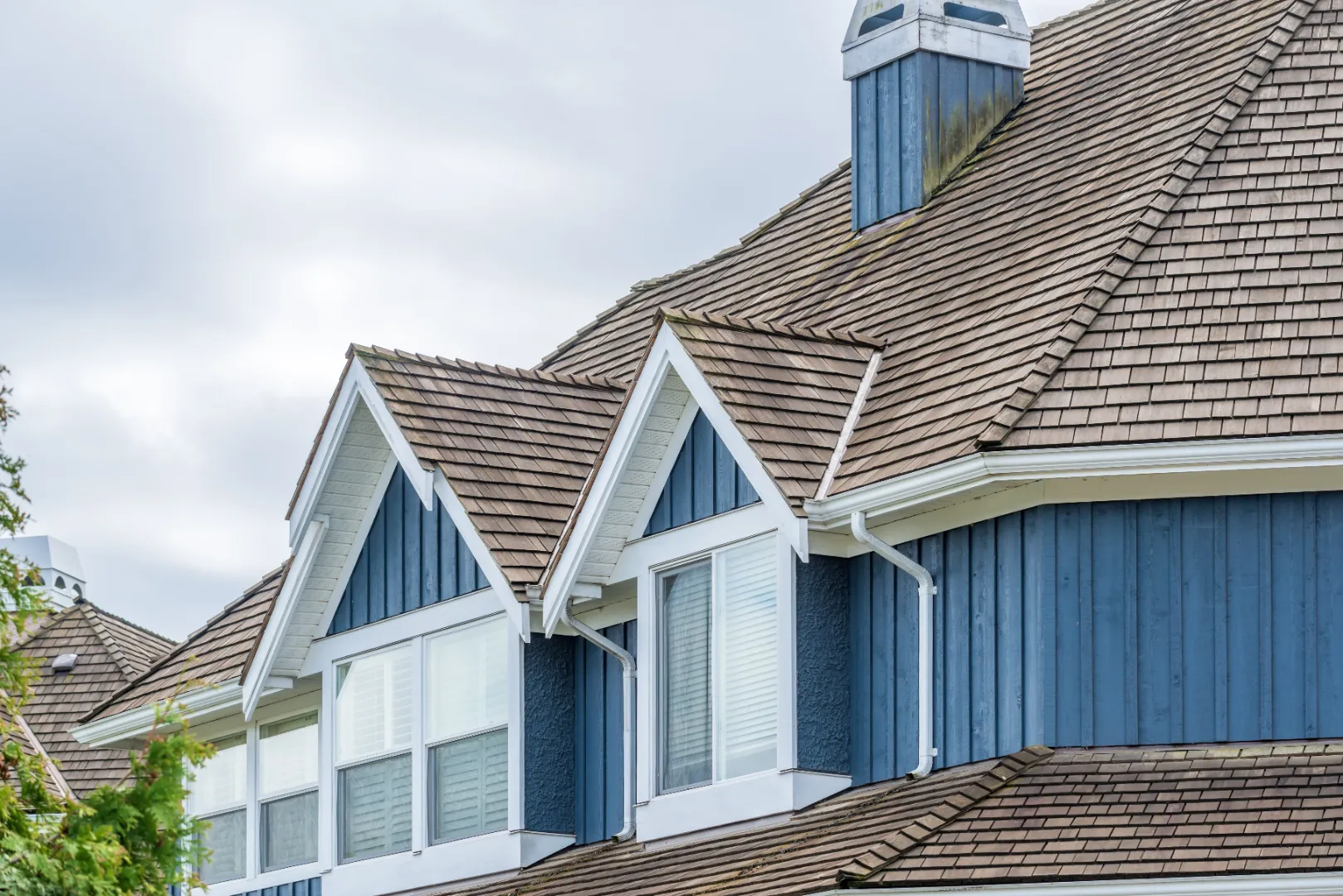
- The best siding for a house depends on your climate, budget, maintenance preferences, and the overall style of your home.
- Popular siding options include wood, vinyl, fiber cement, composite, engineered wood, metal, brick veneer, and stone veneer, each with its own advantages and disadvantages.
- Durable, high quality siding protects your home from weather damage, improves energy efficiency, enhances curb appeal, and can increase property value.
- Low maintenance materials like vinyl, composite, and metal siding require less upkeep, while natural wood offers timeless beauty but needs regular care.
- Choosing quality materials and hiring experienced installers can help ensure your siding performs well and lasts for decades.
Table Of Contents
- Why Siding Matters
- Factors to Consider Before Choosing Siding
- Climate
- Maintenance
- Budget
- Appearance
- Durability
- Wood Siding
- Advantages
- Disadvantages
- Vinyl Siding
- Advantages
- Disadvantages
- Fiber Cement Siding
- Advantages
- Disadvantages
- Composite Siding
- Advantages
- Disadvantages
- Engineered Wood Siding
- Advantages
- Disadvantages
- Metal Siding
- Advantages
- Disadvantages
- Brick Veneer
- Advantages
- Disadvantages
- Stone Veneer
- Advantages
- Disadvantages
- Thermally Modified Wood Siding
- Advantages
- Disadvantages
- Which Siding Lasts the Longest?
- Which Siding Requires the Least Maintenance?
- Which Siding Is Best for Energy Efficiency?
- Which Siding Offers the Best Appearance?
- Is Expensive Siding Always Better?
- Tips for Choosing the Best Siding
- Common Mistakes to Avoid
- Conclusion
Choosing the right siding is one of the most important decisions you can make when building a new home or updating an existing one. Siding is more than just the exterior finish of your house. It protects your home from the weather, improves energy efficiency, reduces maintenance, and plays a major role in curb appeal.
With so many materials available today, it can be difficult to decide which option is best. Wood, fiber cement, vinyl, composite, metal, and engineered wood all have their own advantages and drawbacks. The right choice depends on your budget, climate, maintenance preferences, and the style of your home.
In this guide, we'll explore the most popular siding materials, compare their benefits, and help you determine the best siding for your house.
Why Siding Matters
Your home's siding serves several important purposes.
It helps:
- Protect your home from rain, wind, and sunlight
- Improve insulation and energy efficiency
- Prevent moisture damage
- Enhance your home's appearance
- Increase property value
- Reduce long term maintenance costs
Investing in quality siding can save money on repairs while making your home more attractive.
Factors to Consider Before Choosing Siding
There isn't a single siding material that's perfect for every home. Before making a decision, consider the following factors.
Climate
The weather in your area plays a major role.
Homes in hot, humid climates need siding that resists moisture and mold.
Cold regions require materials that handle freezing temperatures well.
Coastal homes benefit from siding that resists salt air and moisture.
Maintenance
Some siding materials require regular painting or sealing.
Others only need occasional cleaning with soap and water.
If you prefer low maintenance, this should be one of your top priorities.
Budget
The total cost includes:
- Material
- Installation
- Maintenance
- Repairs
- Replacement
A lower upfront cost may not always be the least expensive option over many years.
Appearance
Choose siding that complements your home's architectural style.
Some materials offer a traditional look, while others provide a modern appearance.
Durability
High quality siding should withstand years of exposure to weather without significant damage.
Durability is especially important in areas with storms, heavy rain, or extreme temperatures.
Wood Siding
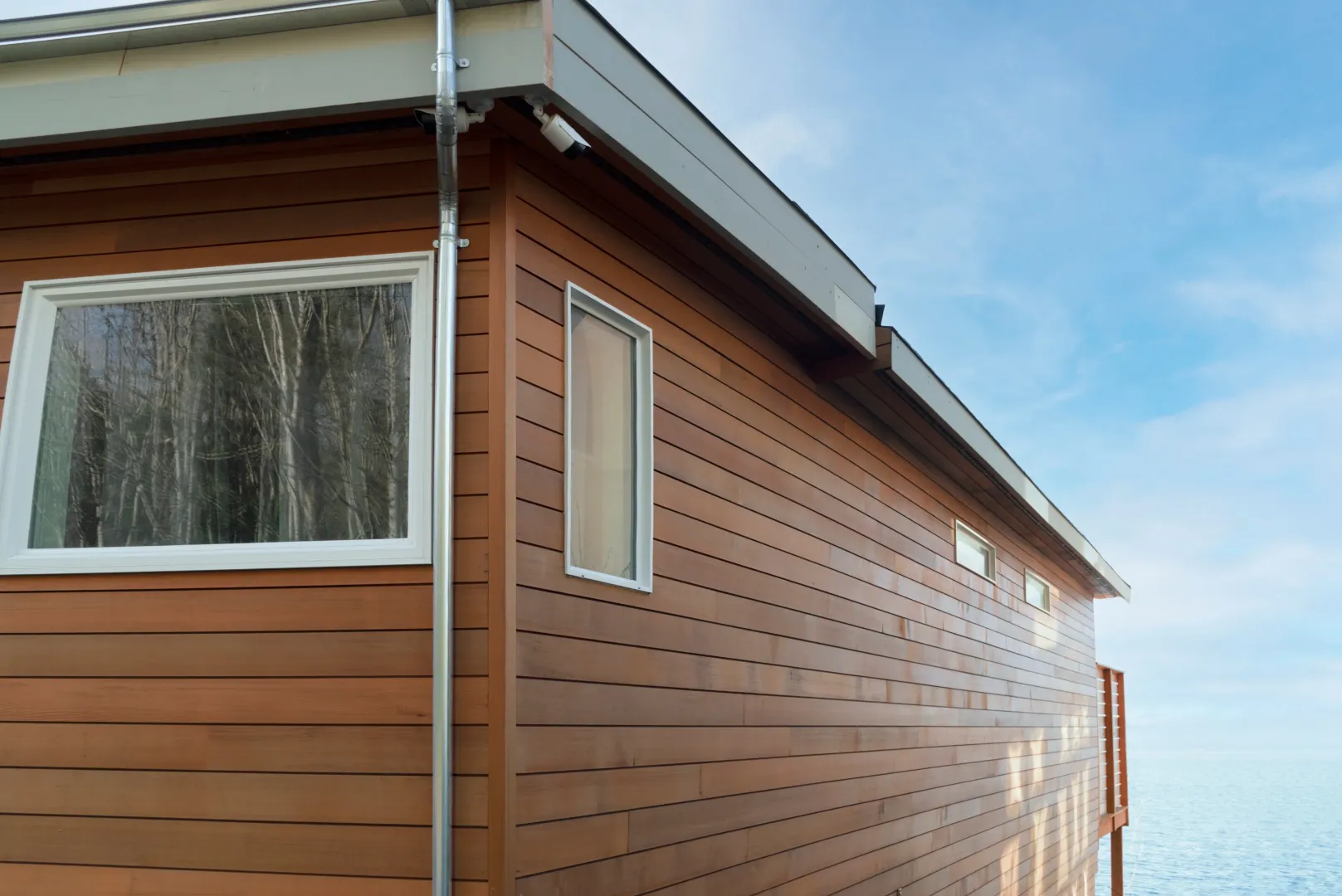
Wood siding has been used for centuries and remains one of the most beautiful exterior finishes available.
Popular wood species include:
Advantages
- Natural beauty
- Timeless appearance
- Can be painted or stained
- Environmentally friendly when responsibly sourced
- Adds warmth and character
Disadvantages
- Requires regular maintenance
- Needs staining or painting
- Can be affected by insects
- More expensive than some alternatives
Wood is an excellent choice for homeowners who value natural beauty and are willing to maintain it.
Vinyl Siding
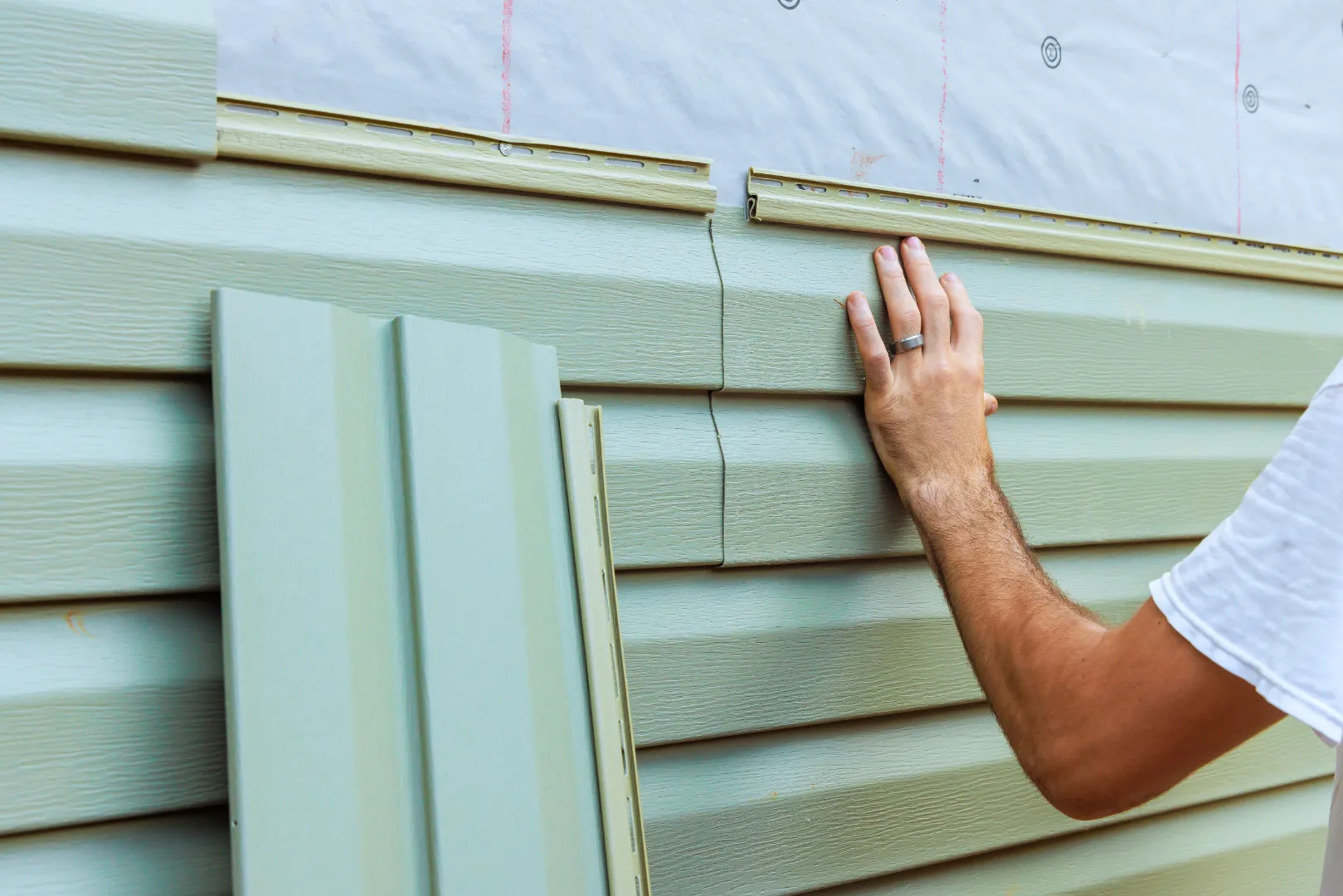
Vinyl siding is one of the most widely used siding materials because it is affordable and easy to maintain.
Advantages
- Budget friendly
- Low maintenance
- Available in many colors
- Does not require painting
- Resistant to moisture
Disadvantages
- Can crack in very cold weather
- May fade over time
- Less realistic appearance than natural wood
- Difficult to repair individual sections
Vinyl is often chosen by homeowners looking for a practical and economical solution.
Fiber Cement Siding
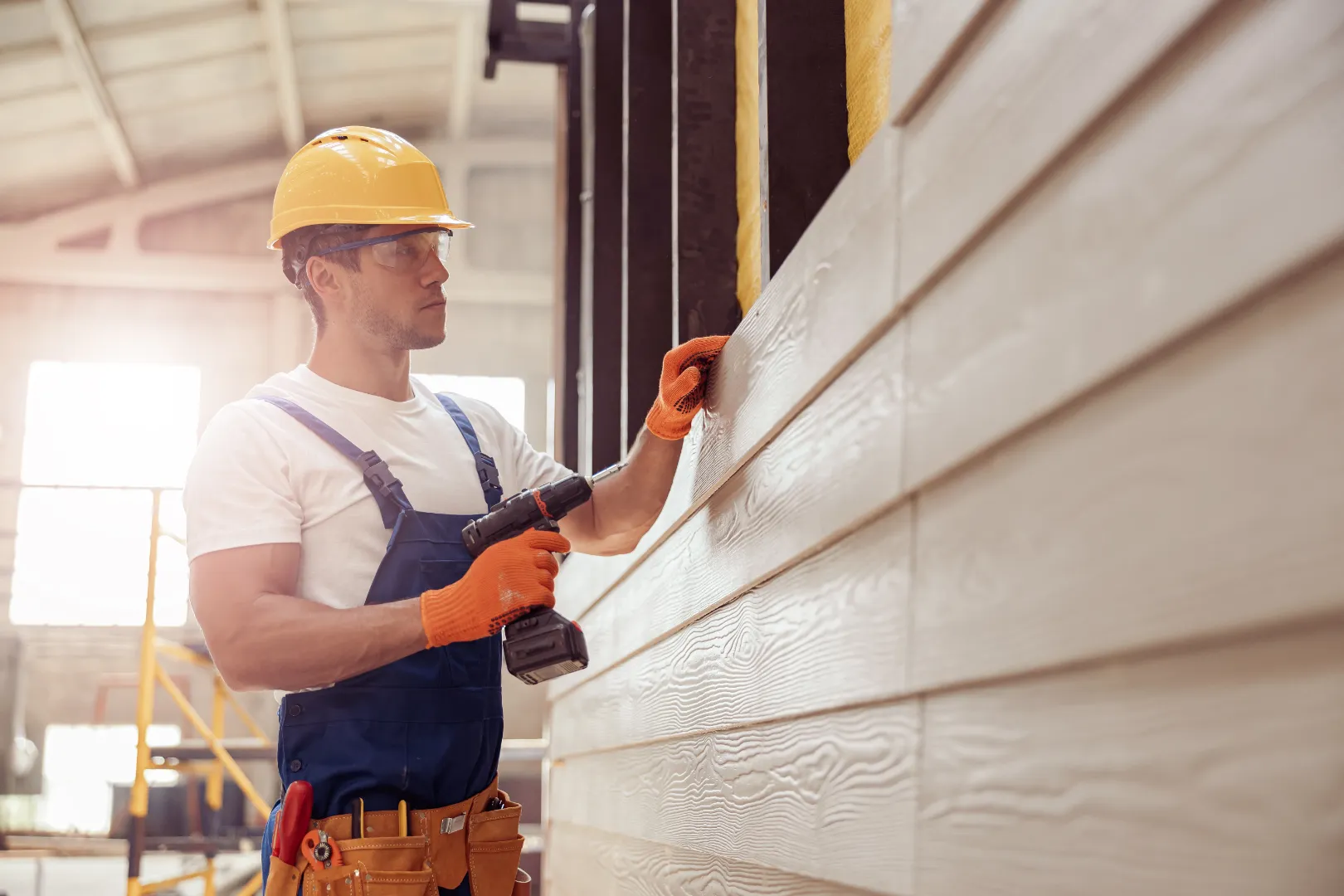
Fiber cement siding is made from cement, sand, and cellulose fibers.
It has become popular because it offers the appearance of wood with improved durability.
Advantages
- Fire resistant
- Resistant to insects
- Durable
- Handles harsh weather well
- Available in many textures
Disadvantages
- Heavy material
- Higher installation costs
- Requires repainting after several years
Fiber cement works well for homeowners looking for durability with a traditional appearance.
Composite Siding
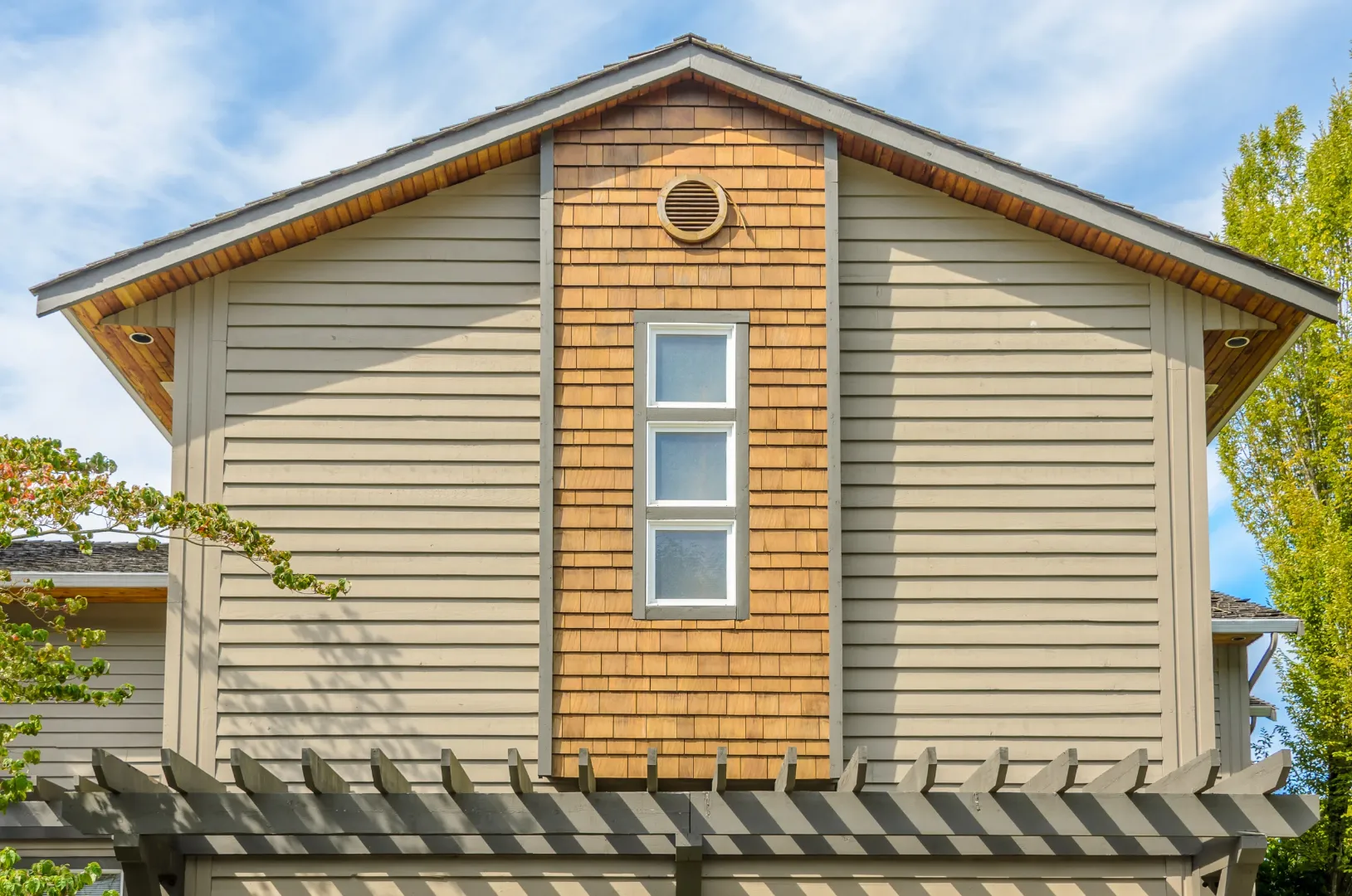
Composite siding combines wood fibers and engineered materials to create a durable exterior product.
Many composite products are designed to closely resemble natural wood.
Advantages
- Low maintenance
- Resistant to moisture
- Resistant to insects
- Good durability
- Available in many styles
Disadvantages
- Higher upfront cost than vinyl
- Product quality varies by manufacturer
Composite siding is becoming increasingly popular because it offers the appearance of wood with less maintenance.
Engineered Wood Siding
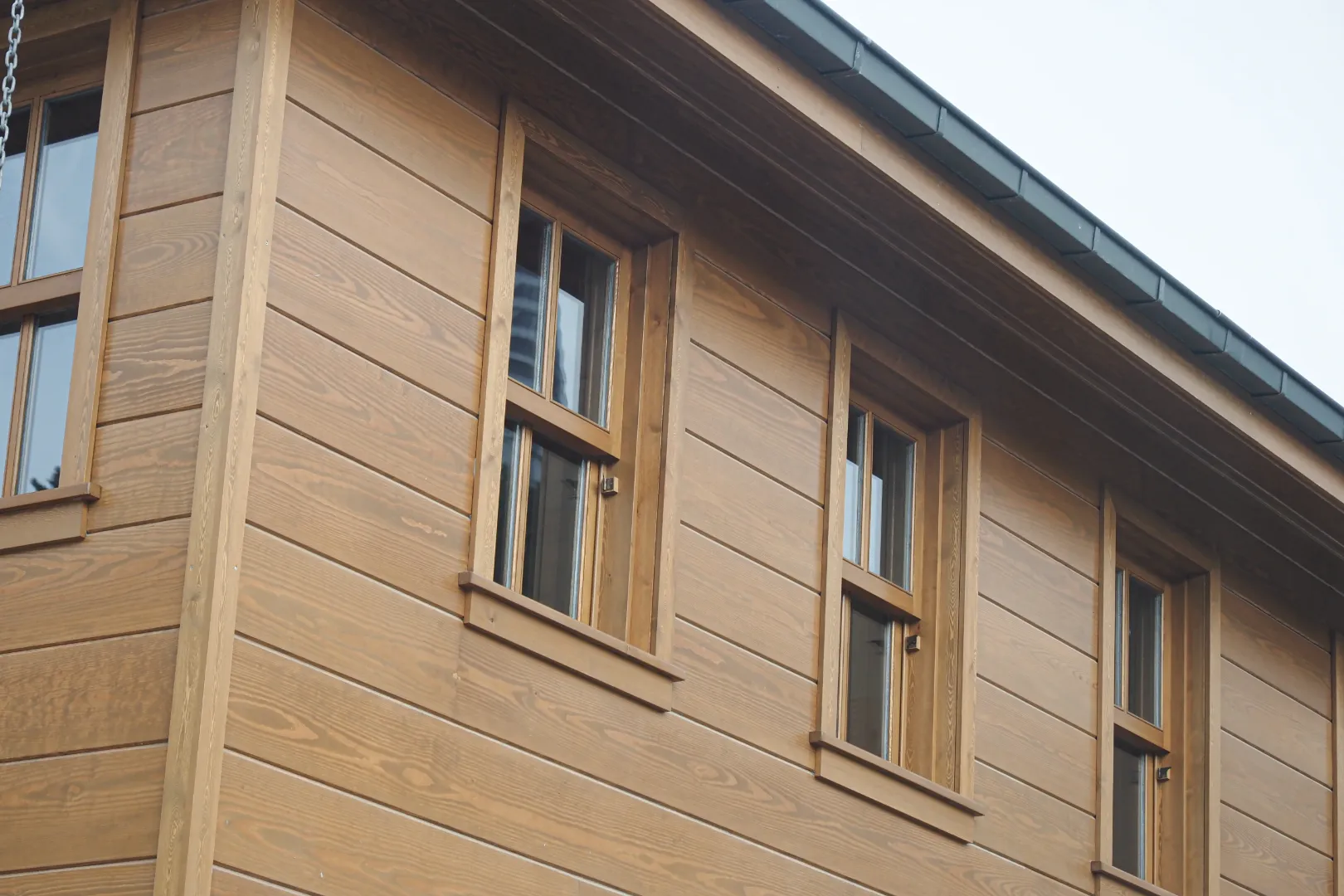
Engineered wood siding is manufactured using wood strands or fibers bonded with resins.
It provides the look of real wood while improving resistance to moisture and insects.
Advantages
- More affordable than solid wood
- Easier to install
- Attractive appearance
- Good durability
- Lightweight
Disadvantages
- Requires proper installation
- May require periodic painting
This option offers a balance between beauty and affordability.
Metal Siding
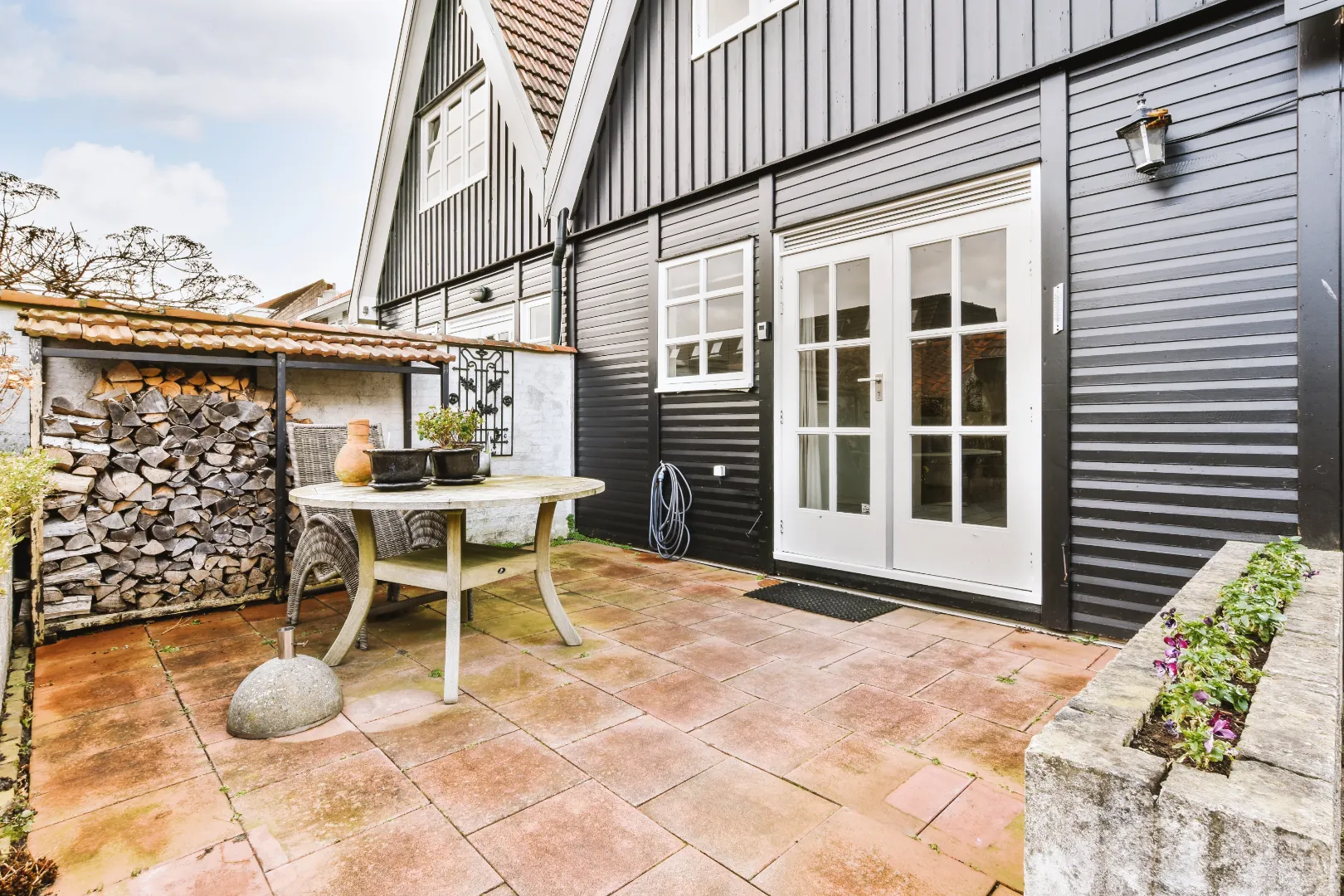
Metal siding is commonly made from aluminum or steel.
It is often used on modern homes and commercial buildings but is becoming more popular for residential properties.
Advantages
- Extremely durable
- Fire resistant
- Pest resistant
- Low maintenance
- Long lifespan
Disadvantages
- Can dent from impact
- May be more expensive
- Industrial appearance may not suit every home
Metal siding works especially well for modern designs.
Brick Veneer
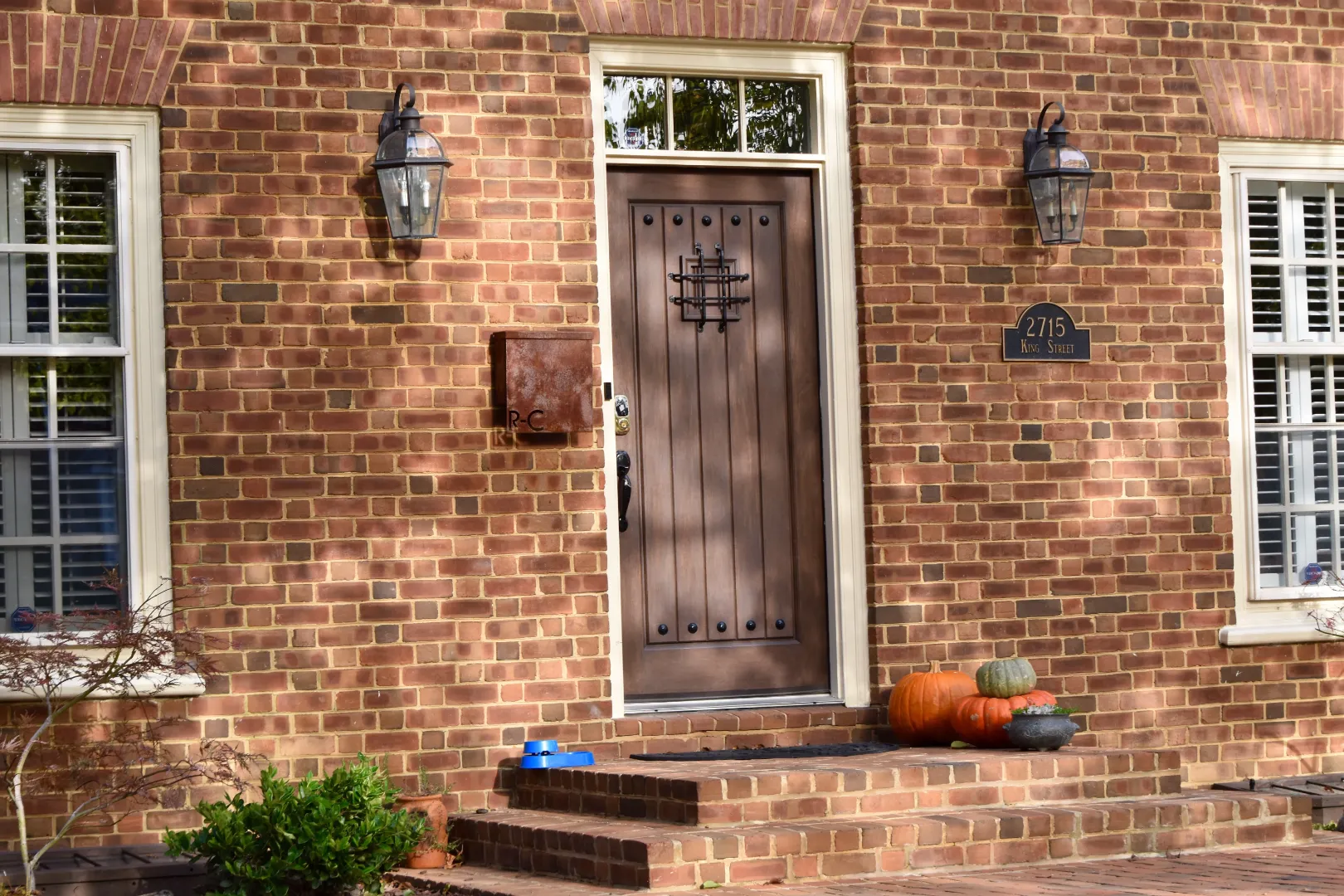
Brick veneer gives homes the classic appearance of brick without requiring full structural brick construction.
Advantages
- Excellent durability
- Low maintenance
- Fire resistant
- Timeless appearance
- Long lifespan
Disadvantages
- Expensive installation
- Limited design flexibility
- Heavier than many siding options
Brick veneer remains one of the most durable siding choices available.
Stone Veneer
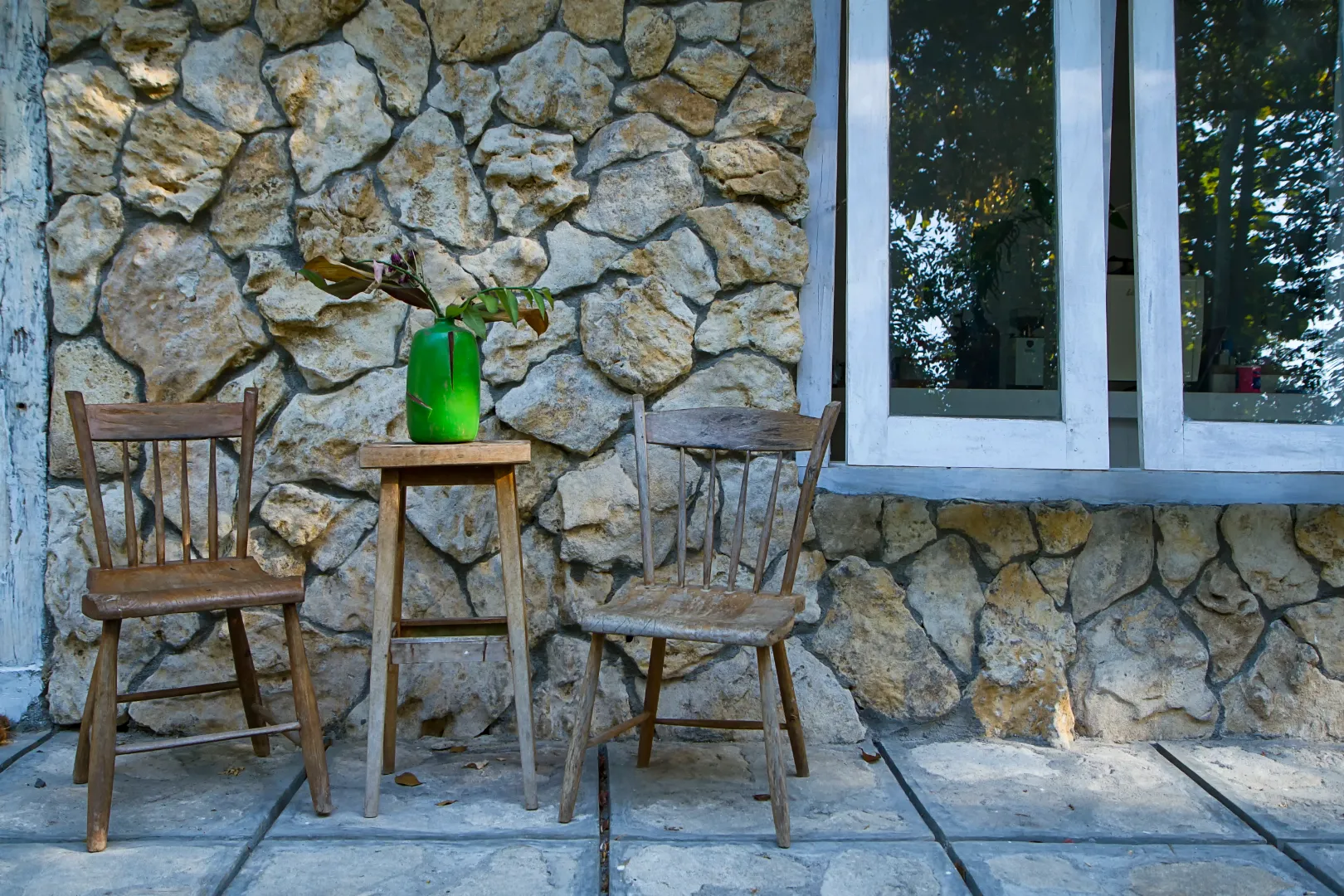
Stone veneer creates the appearance of natural stone while reducing weight and installation costs.
Advantages
- Luxury appearance
- Durable
- Weather resistant
- Increases curb appeal
Disadvantages
- Higher cost
- Professional installation recommended
Stone veneer is often used as an accent combined with other siding materials.
Thermally Modified Wood Siding
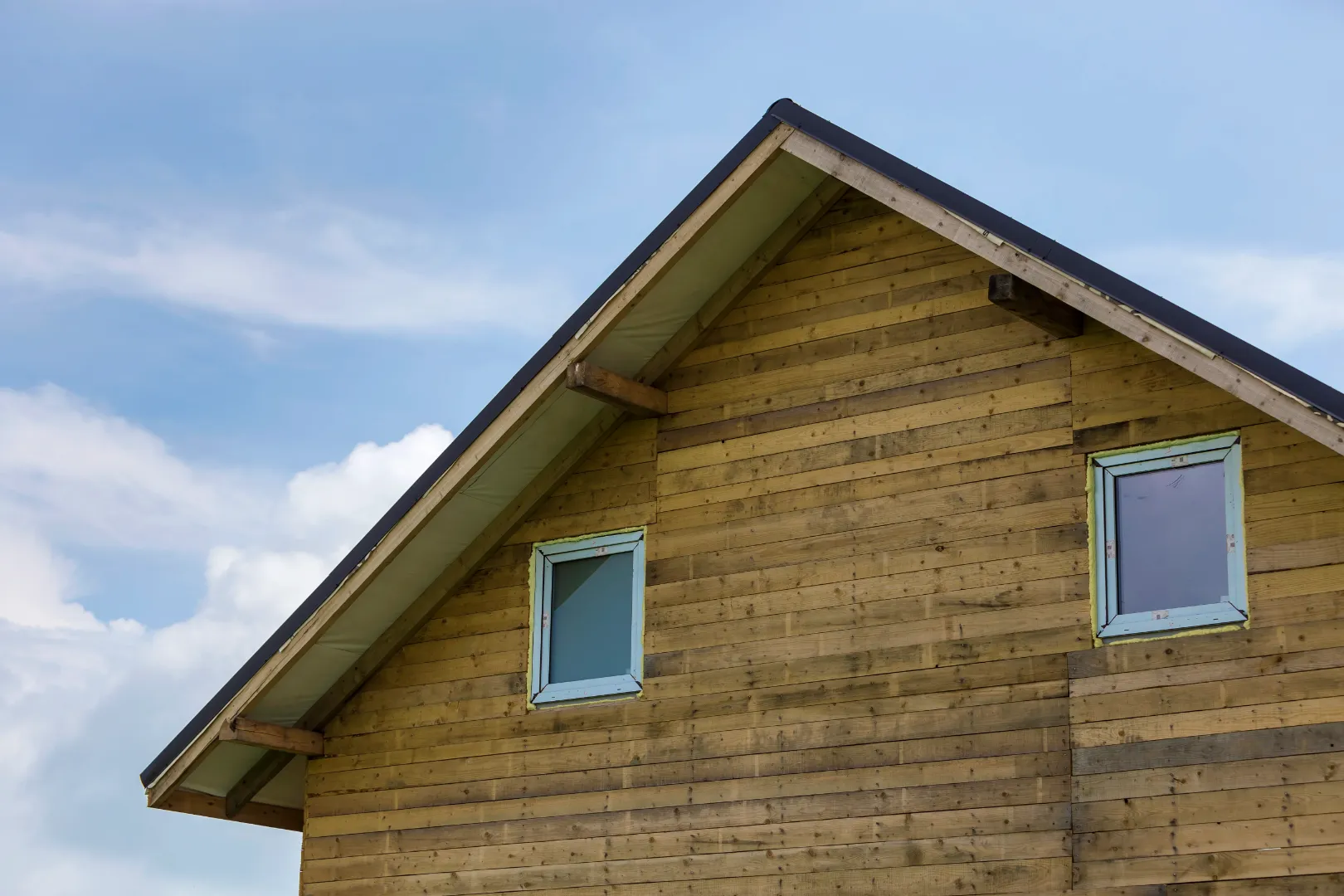
Thermally modified wood is heated at high temperatures to improve stability and durability without using chemicals.
It has become increasingly popular among homeowners seeking a natural wood appearance with improved performance.
Advantages
- Improved resistance to moisture
- Better dimensional stability
- Reduced expansion and contraction
- Attractive natural color
- Environmentally friendly
Disadvantages
- Higher initial investment
- Requires maintenance to preserve color if desired
Many homeowners choose thermally modified wood because it combines natural beauty with enhanced durability.
Which Siding Lasts the Longest?
The lifespan of siding depends on material quality, installation, and maintenance.
General estimates include:
- Brick veneer: 75 years or more
- Stone veneer: 50 years or more
- Metal siding: 40 to 70 years
- Fiber cement: 30 to 50 years
- Composite siding: 30 years or more
- Wood siding: 20 to 50 years with proper maintenance
- Vinyl siding: 20 to 40 years
- Engineered wood: 20 to 30 years
Regular maintenance helps extend the life of any siding material.
Which Siding Requires the Least Maintenance?
If low maintenance is your priority, consider:
- Vinyl siding
- Composite siding
- Metal siding
- Brick veneer
These materials typically require little more than occasional cleaning.
Wood siding generally requires the most maintenance because it needs periodic painting or staining.
Which Siding Is Best for Energy Efficiency?
Some siding materials perform better when combined with quality insulation.
Energy efficient siding systems can help:
- Reduce heating costs
- Lower cooling expenses
- Improve indoor comfort
- Reduce energy loss
Insulated vinyl siding, composite siding, and properly installed wood siding with quality insulation all contribute to improved energy efficiency.
Which Siding Offers the Best Appearance?
Appearance is largely a matter of personal preference.
Many homeowners choose:
- Wood for natural beauty
- Fiber cement for a traditional appearance
- Composite for realistic wood textures
- Metal for contemporary homes
- Brick for timeless elegance
- Stone veneer for luxury
Selecting a style that matches your home's architecture creates the best overall result.
Is Expensive Siding Always Better?
Not necessarily.
Higher priced materials often offer greater durability and longer lifespans, but they may not always be the best value for every homeowner.
The ideal siding balances:
- Budget
- Maintenance
- Appearance
- Climate
- Longevity
Choosing the right installer is just as important as selecting the material itself.
Tips for Choosing the Best Siding
Keep these recommendations in mind before making your final decision.
- Compare long term maintenance costs.
- Consider your local climate.
- Choose materials that match your home's style.
- Hire experienced installers.
- Ask about warranties.
- View full size product samples before purchasing.
- Consider resale value.
- Think about long term durability rather than only initial cost.
Common Mistakes to Avoid
Many homeowners make avoidable mistakes when selecting siding.
These include:
- Choosing based only on price
- Ignoring maintenance requirements
- Selecting colors without seeing samples outdoors
- Hiring inexperienced installers
- Overlooking warranty details
- Choosing materials that do not suit the local climate
Careful planning helps avoid costly repairs later.
Conclusion
The best siding for a house depends on your priorities, budget, and location. There is no single material that is perfect for every home.
If you want natural beauty, wood remains one of the most attractive choices. If low maintenance is your priority, vinyl, composite, or metal siding may be a better fit. Homeowners looking for exceptional durability often choose fiber cement, brick, or stone veneer.
Before making your decision, compare the long term costs, maintenance needs, appearance, and expected lifespan of each material. Investing in quality siding and professional installation can protect your home for decades while improving its appearance and value.
Whether you are building a new home or replacing existing siding, selecting the right material is an investment that will benefit your property for many years.