
Can Composite Decking Be Painted?
Key Takeaways
- Older, uncapped composite decking may be suitable for painting.
- Modern capped composite decking generally should not be painted or stained.
- Paint may not adhere properly to a protective polymer surface.
- Painting can affect the manufacturer's warranty.
- Cleaning may improve the appearance of faded or dirty decking without painting.
- Always check the manufacturer's recommendations before applying any coating.
Table Of Contents
- Why Is Composite Decking Different From Wood?
- Can You Paint All Types of Composite Decking?
- Older Uncapped Composite Decking
- Modern Capped Composite Decking
- How to Tell Whether Your Composite Decking Can Be Painted
- What Paint Should You Use on Composite Decking?
- How to Paint Composite Decking
- Clean the Surface
- Allow the Deck to Dry
- Test a Small Area
- Apply the Approved Coating
- What Are the Disadvantages of Painting Composite Decking?
- What Are the Alternatives to Painting Composite Decking?
- Clean the Deck Thoroughly
- Replace Damaged Boards
- Update the Surrounding Design
- Consider New Decking
- Conclusion
Composite decking is a popular alternative to traditional wood because it requires less maintenance and offers long-lasting performance. However, its color may change over time, leading homeowners to consider painting it.
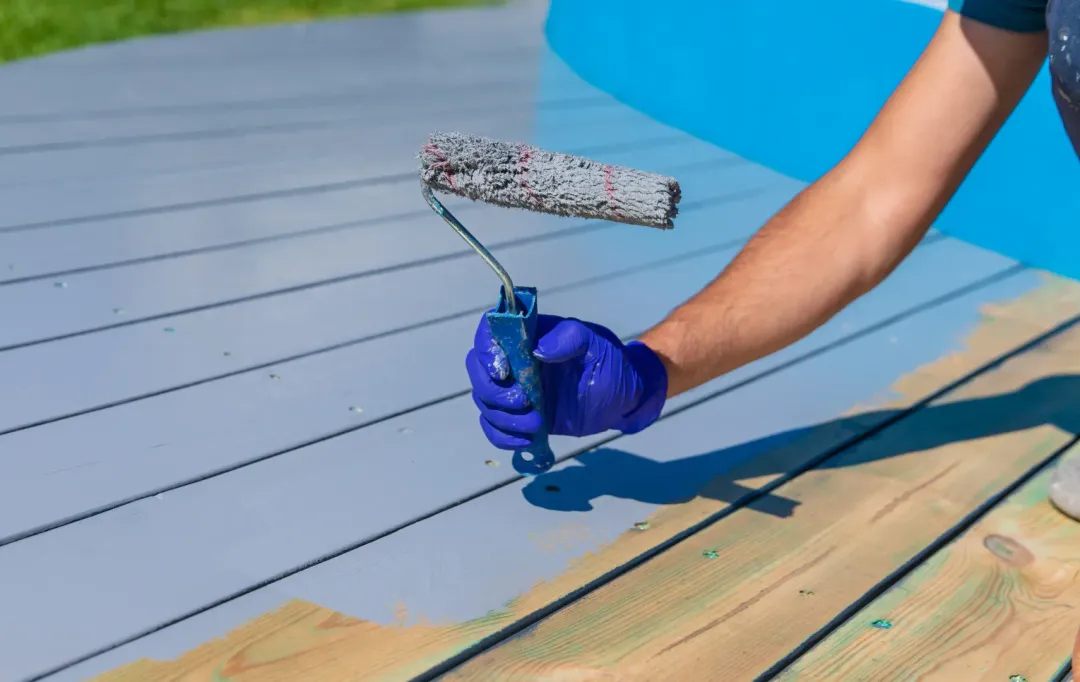
Can Composite Decking Be Painted? Yes, some older, uncapped composite decking can be painted, but painting modern capped composite decking is generally not recommended. The right approach depends on the board's construction and the manufacturer's instructions.
Why Is Composite Decking Different From Wood?
Traditional wood decking has a porous surface that can absorb suitable paints and stains. Composite decking is made from a combination of materials, commonly wood fibers and plastic.
Many modern composite boards also have a protective outer layer called a cap. This layer helps resist moisture, stains, and fading.
Because capped decking has a different surface from natural wood, paint may not bond properly. Applying a coating against the manufacturer's recommendations can lead to peeling, uneven appearance, and potential warranty problems.
Can You Paint All Types of Composite Decking?
No. The most important distinction is whether your deck boards are capped or uncapped.
Older Uncapped Composite Decking
Older composite decking without a protective outer shell may accept paint or stain when properly prepared.
The exposed composite material can provide a more suitable surface for certain coatings. However, the results depend on the specific product, its condition, and the coating used.
Before painting, check the manufacturer's guidance and warranty terms. Use only a coating specifically approved or suitable for the decking material and intended walking surface.
Modern Capped Composite Decking
Modern capped composite decking has a protective polymer shell over its composite core. This surface is designed to resist everyday wear, moisture, and staining.
Painting is generally not recommended because the coating may not adhere reliably to the cap.
For example, Trex's official decking FAQ states that painting or staining its current high-performance decking products is not recommended and may void the limited residential fade and stain warranty.
Similarly, TimberTech's official FAQ advises against painting or staining its decking.
Always verify the exact product instructions because recommendations can differ between product generations and collections.
How to Tell Whether Your Composite Decking Can Be Painted

Before buying paint, identify the type of decking installed on your property.
Check the product documentation. Look for the brand, product collection, model, and installation date. The manufacturer's website or customer service team may help you identify the board.
Inspect the cut end of a board. If an exposed end is available, older uncapped boards may show a relatively uniform composite material throughout. Capped boards may have a distinct outer layer surrounding the core.
Check the warranty. Read the maintenance requirements and restrictions on paint, stain, sealers, or other coatings.
Ask the manufacturer. If you cannot identify the product, contact the manufacturer before applying anything. Appearance alone may not be enough to establish whether painting is permitted.
What Paint Should You Use on Composite Decking?
If the manufacturer confirms that your uncapped decking can be painted, choose a coating specifically suitable for the material and outdoor walking surfaces.
Consider these factors:
Exterior durability: The product must be suitable for outdoor exposure and changing weather conditions.
Surface compatibility: The coating should be designed or approved for the specific composite material.
Foot traffic: A deck coating must withstand regular walking and furniture movement.
Slip resistance: The finished surface must remain suitable for safe walking, including when wet.
Maintenance requirements: Painted decking may need periodic cleaning, touch-ups, or recoating.
Do not assume that ordinary exterior house paint will work on composite decking. A product that adheres well to wood may perform differently on a plastic-rich surface.
Follow the coating manufacturer's instructions and confirm compatibility with your decking manufacturer before proceeding.
How to Paint Composite Decking
Painting should only be considered when the decking manufacturer permits it.
Clean the Surface

Remove furniture, planters, leaves, and other items. Sweep away loose debris, then clean the boards using a product approved for the decking material.
Remove dirt, grease, and other contaminants that could interfere with adhesion.
Avoid aggressive sanding or harsh cleaning chemicals unless the manufacturer specifically permits them. These methods may damage the surface.
Allow the Deck to Dry
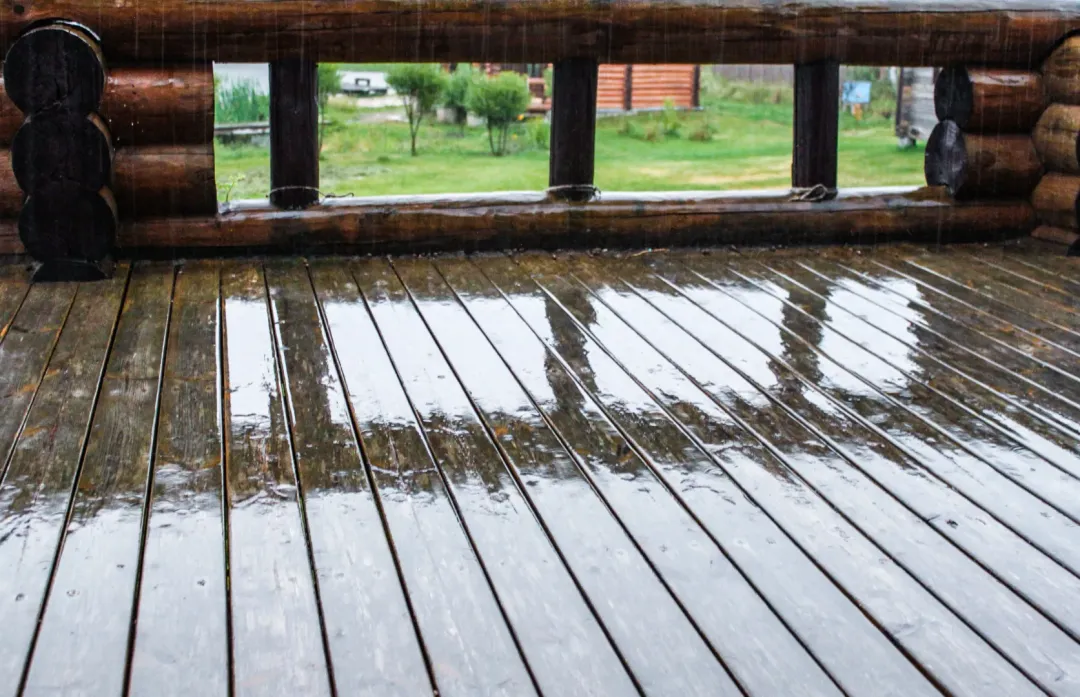
After cleaning, allow the boards to dry thoroughly. The required drying time depends on weather conditions, ventilation, and the cleaning method.
Painting a damp surface can interfere with adhesion and affect the finished appearance.
Test a Small Area
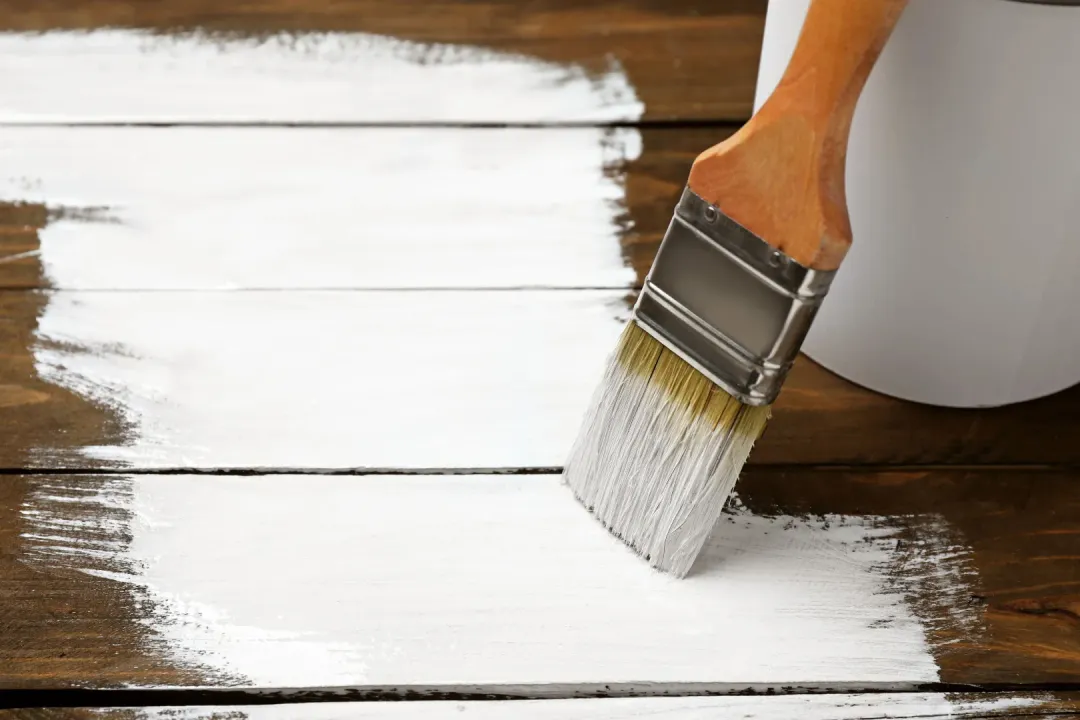
If painting is approved, test the recommended coating on a small, inconspicuous area or spare board.
Allow it to cure according to the manufacturer's instructions. Check for poor adhesion, uneven coverage, or other problems before treating the entire deck.
A successful small test does not override a manufacturer restriction or guarantee long-term performance.
Apply the Approved Coating
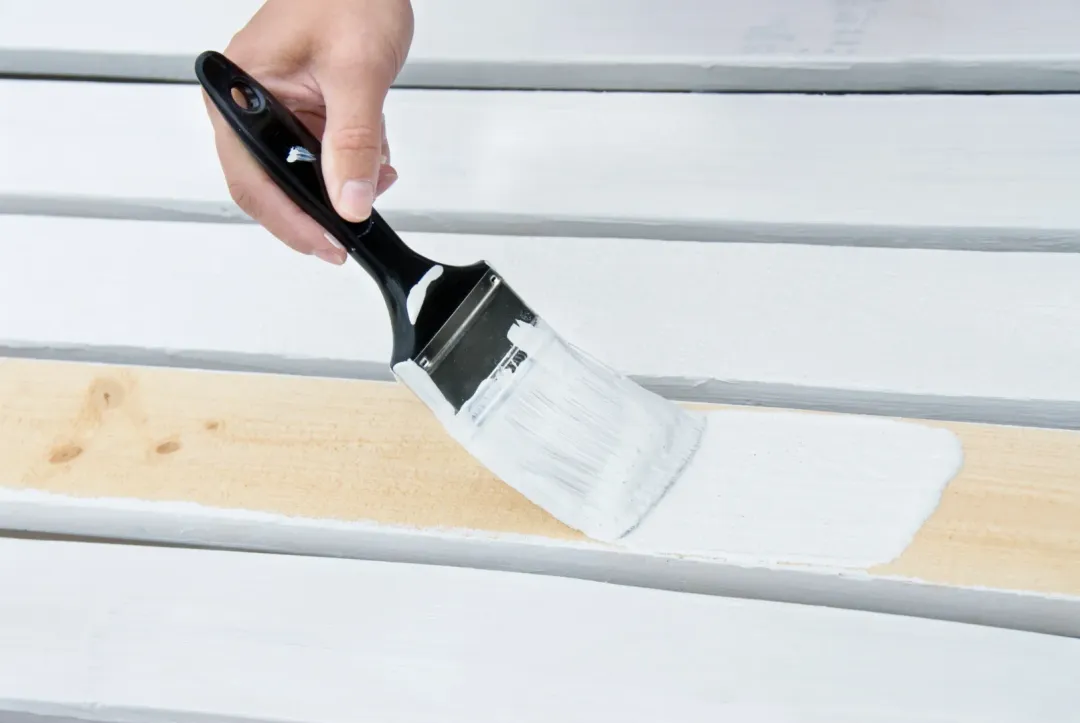
Use the application method specified by the coating manufacturer. Apply the recommended number of coats and observe the required drying and curing times.
Do not use the deck until the coating has cured sufficiently for foot traffic.
Remember that painting a walking surface can change its texture and slip characteristics. Never use a coating that makes the deck unsafe.
What Are the Disadvantages of Painting Composite Decking?
Painting may seem like an inexpensive way to change the color of an existing deck, but several disadvantages deserve consideration.
Poor adhesion: Paint may not bond reliably with a capped polymer surface. Peeling or flaking can leave the deck looking worse than before.
Additional maintenance: Composite decking is generally chosen partly because it requires less maintenance than traditional wood. A painted surface may need regular inspection, cleaning, touch-ups, and recoating.
Warranty concerns: Some manufacturers prohibit painting or staining their decking. Applying an unauthorized coating may affect warranty coverage.
Appearance changes: Paint covers the original texture and finish. The deck may lose the factory appearance that attracted you to composite decking.
Potential slip hazards: Some coatings can change the walking surface, particularly when wet. A coating must be suitable for exterior foot traffic and meet the manufacturer's safety recommendations.
For these reasons, painting is rarely the best first choice for modern capped composite decking.
What Are the Alternatives to Painting Composite Decking?
If your composite deck looks faded or outdated, consider these alternatives before applying paint.
Clean the Deck Thoroughly
Dirt, pollen, leaf residue, and other surface deposits can make decking appear faded or discolored. Cleaning with an approved deck cleaner may improve its appearance without changing the original finish.
Follow the manufacturer's cleaning instructions to avoid damaging the surface.
Replace Damaged Boards
If only a few boards are badly stained, damaged, or discolored, replacing those boards may be more practical than coating the entire deck.
Confirm that replacement boards are compatible with the existing decking system.
Update the Surrounding Design
You can refresh the appearance of a deck by changing outdoor furniture, planters, railings, lighting, or other design elements.
These changes can create a new look without altering the decking surface.
Consider New Decking
If the deck is extensively damaged or you want a completely different color, replacing the boards may be worth evaluating.
Compare the cost of replacement with the ongoing maintenance and potential warranty implications of painting.
Conclusion
Can Composite Decking Be Painted? Some older, uncapped composite boards may be paintable, but modern capped composite decking generally should not be painted or stained.
Before applying a coating, identify your decking product, check its warranty, and confirm the manufacturer's recommendations. Paint adhesion, maintenance, appearance, and slip resistance all matter when evaluating whether painting is worthwhile.
For many modern composite decks, cleaning, replacing damaged boards, or updating the surrounding design is a better option than painting. These alternatives can improve the appearance of your outdoor space while preserving the intended performance of the decking.