
Does Composite Decking Get Hot?
Key Takeaways
- Does Composite Decking Get Hot? Yes. Composite boards can heat up in direct sunlight, especially during hot weather.
- Dark-colored boards generally absorb more sunlight and may become hotter than lighter shades.
- Full sun can make decking uncomfortable underfoot, while shade can improve comfort.
- Composite decking is not always hotter than wood. Temperature depends on the specific material, color, and conditions.
- Lighter board colors, pergolas, shade sails, and umbrellas can help reduce heat exposure.
- Check the manufacturer’s product information and compare samples before choosing decking for a sunny area.
Table Of Contents
- Why Does Composite Decking Get Hot?
- What Factors Affect Composite Decking Temperature?
- 1. Board color
- 2. Direct sunlight and shade
- 3. Outdoor temperature and weather
- 4. Composite decking design and technology
- Does Composite Decking Get Hotter Than Wood?
- How to Keep Composite Decking Cooler
- Choose a lighter color
- Add shade
- Plan the deck around its use
- Follow the manufacturer’s installation guidance
- Is Hot Composite Decking a Problem for Bare Feet and Pets?
- Does Composite Decking Cool Down at Night?
- Is Composite Decking a Good Choice for Hot Climates?
- Conclusion
Composite decking is a popular choice for patios, pool areas, and outdoor living spaces because it is durable and requires less maintenance than traditional wood. But one question often comes up before installation: Does Composite Decking Get Hot?
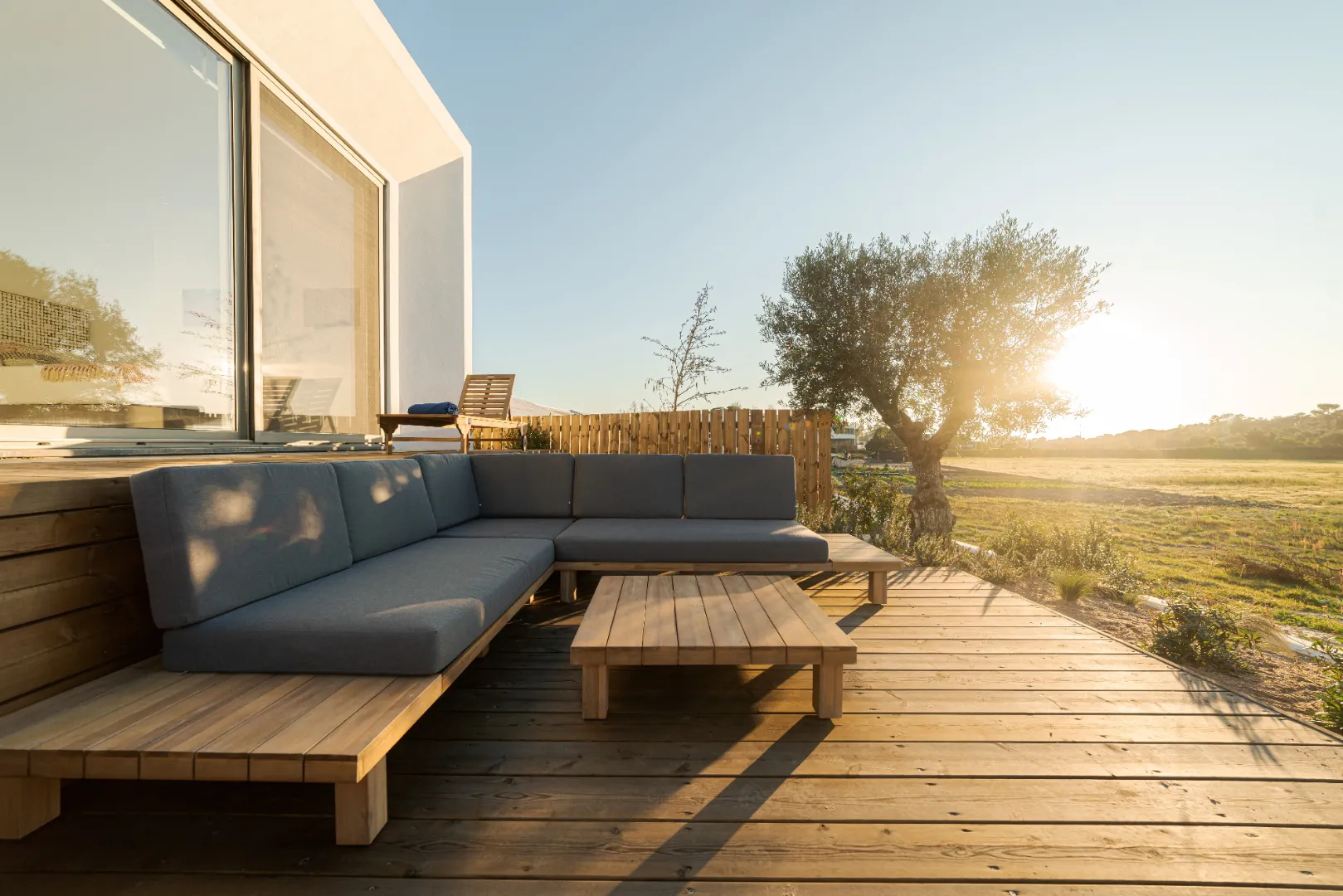
Yes, composite decking can get hot in direct sunlight. Its surface temperature depends on factors such as board color, sun exposure, outdoor temperature, and the product’s material and design. Dark boards generally absorb more solar energy than lighter boards, so they may feel much hotter on a sunny day.
The good news is that you can make practical choices to improve comfort. Choosing a suitable color, adding shade, and checking product specifications can help you create a deck that works for your climate and how you plan to use it.
Why Does Composite Decking Get Hot?
Composite decking is commonly made from a blend of wood fibers and plastic. Like other outdoor surfaces, it absorbs energy from sunlight and warms up.
The deck’s surface can become considerably hotter than the air around it. That means a day that feels comfortable in the shade can still leave a sun-exposed deck uncomfortable for bare feet.
Composite decking is not automatically hotter than every other decking material. Surface temperature varies with color, finish, sunlight, and local conditions. Dark wood, paving, and other materials can also become very hot in direct sun.
What Factors Affect Composite Decking Temperature?
1. Board color
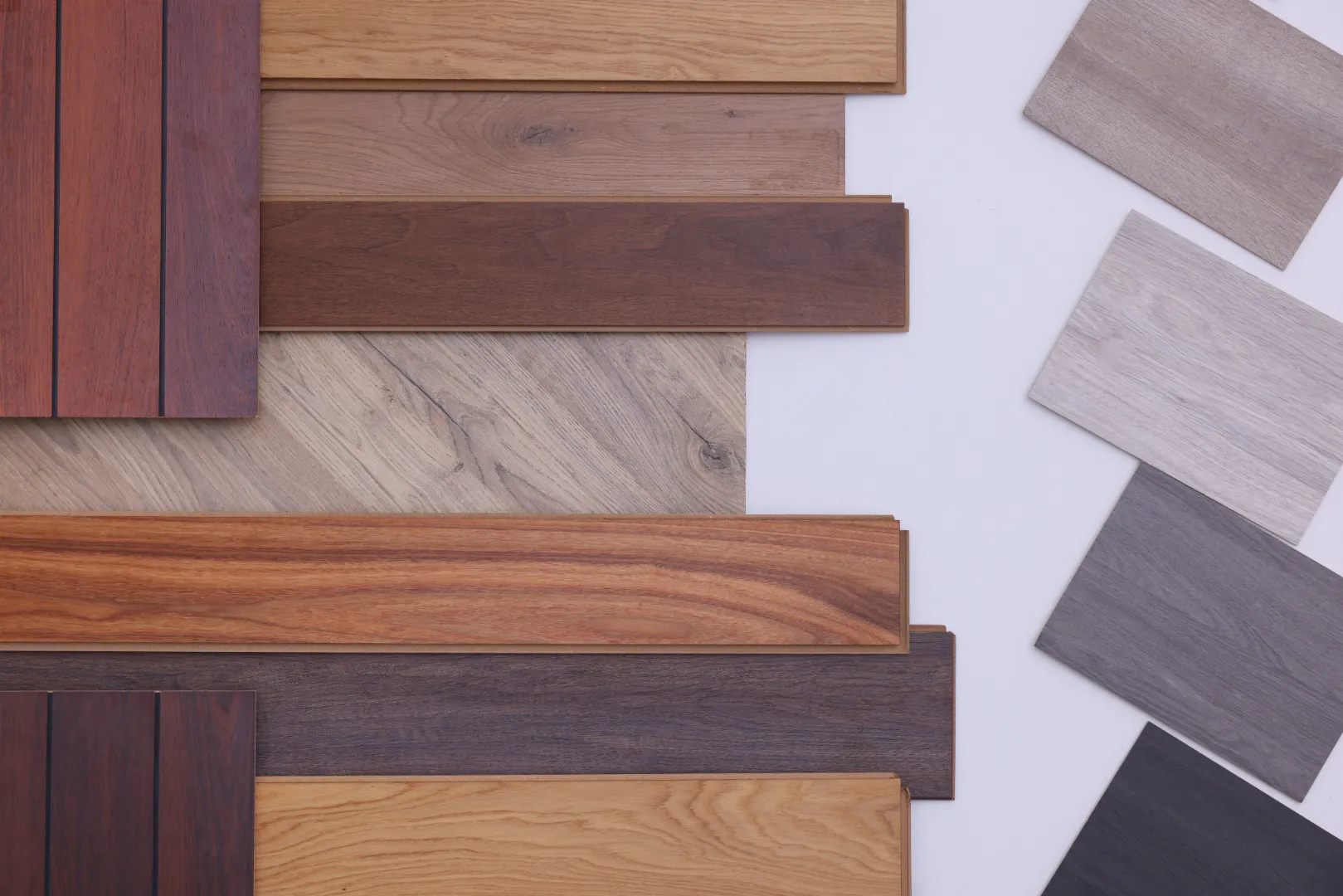
Color is one of the most important factors affecting how much heat a deck absorbs. Dark brown, charcoal, and black boards generally absorb more sunlight than lighter shades.
Light gray, beige, and sandy-colored boards often reflect more sunlight and may stay cooler under similar conditions. The difference can be noticeable on a deck that receives direct sun for several hours.
If you expect people to walk barefoot on your deck, consider a lighter color. However, even a light-colored board can become hot during strong summer sunlight.
2. Direct sunlight and shade
A deck exposed to full sun throughout the day will usually become hotter than one with partial shade. The direction the deck faces, nearby buildings, trees, and overhead structures all affect how much sunlight reaches it.
Afternoon sun can be especially intense in warm climates. A roof, pergola, shade sail, or strategically placed trees can reduce direct exposure and make the deck more comfortable.
Shade is often one of the most effective ways to reduce the heat people experience on a deck. It can also make outdoor seating areas more usable during hot weather.
3. Outdoor temperature and weather
When the air temperature rises, decking exposed to sunlight can become hotter too. Clear skies and strong sunlight generally increase heat absorption, while clouds and shade reduce the amount of direct solar energy reaching the surface.
Wind and airflow can also influence how quickly a deck releases heat. Still, a breeze does not guarantee that the boards will feel cool, especially during the hottest part of the day.
4. Composite decking design and technology
Not all composite decking products are made in the same way. Some have protective outer layers, different surface finishes, or pigments designed to reflect more sunlight.
Certain products are marketed as cooler-running or heat-resistant. These features may help, but they do not make decking immune to heat. Check the manufacturer’s specifications and, if possible, compare samples in the conditions where the deck will be installed.
Does Composite Decking Get Hotter Than Wood?
It can, but the answer depends on the specific products being compared. A dark composite board may become hotter than a lighter wood board in the same sunlight. A dark timber deck, however, can also become very hot.
Material alone does not determine surface temperature. Color, sunlight exposure, surface finish, and weather all matter. Some comparative tests have found differences between particular composite and hardwood boards, but results from one test should not be treated as a guarantee for every brand or installation.
If heat is a major concern, compare the actual products you are considering. Look for credible temperature testing under similar conditions rather than relying only on broad claims that composite or wood is always cooler.
How to Keep Composite Decking Cooler
Choose a lighter color
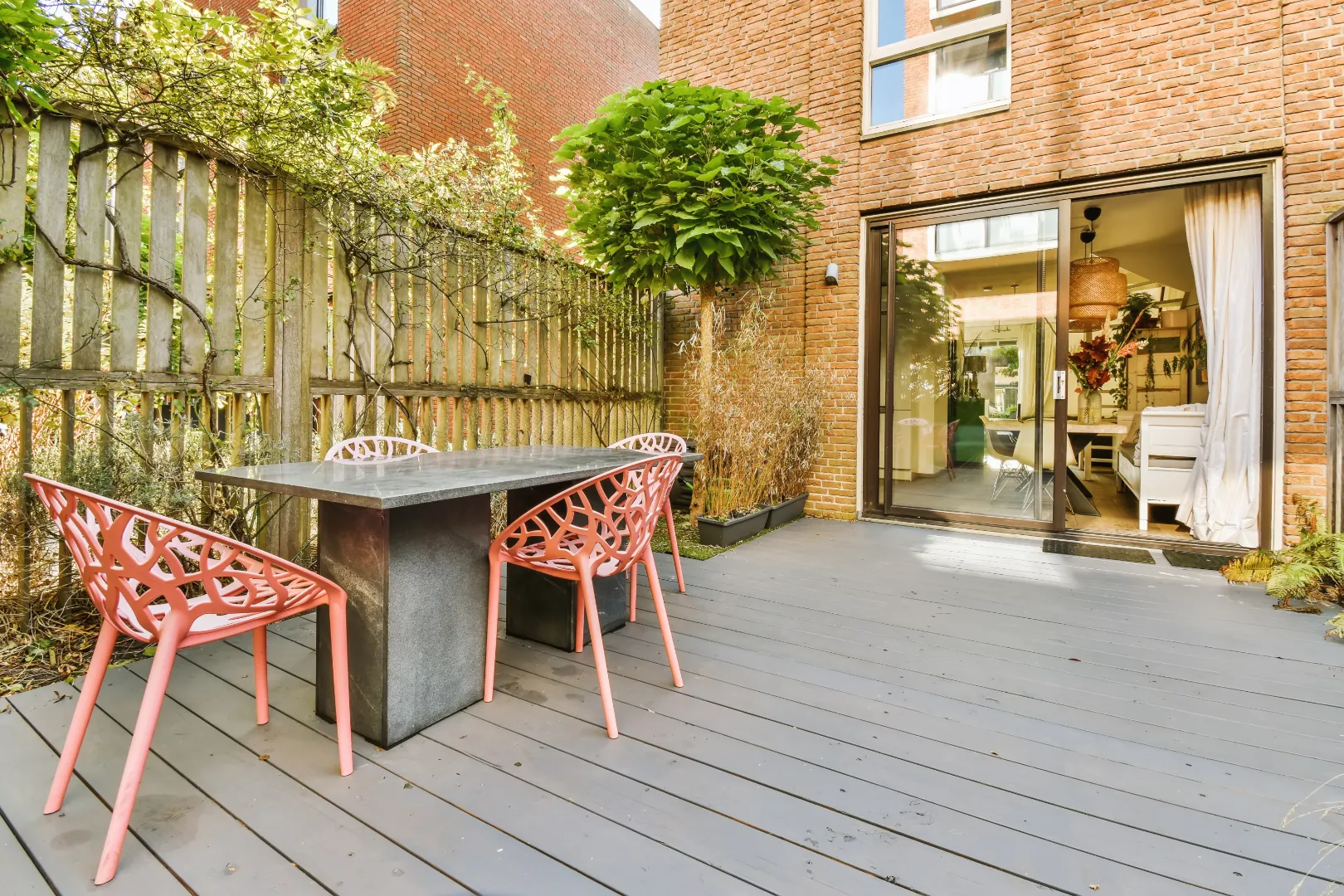
For a deck that receives long hours of direct sunlight, a lighter shade is often a sensible starting point. Consider light gray, beige, or other pale tones instead of very dark brown or charcoal.
Ask the manufacturer whether it has tested surface temperatures for its different colors. If samples are available, place them outdoors in the intended location and compare them after they have been exposed to sunlight.
Add shade
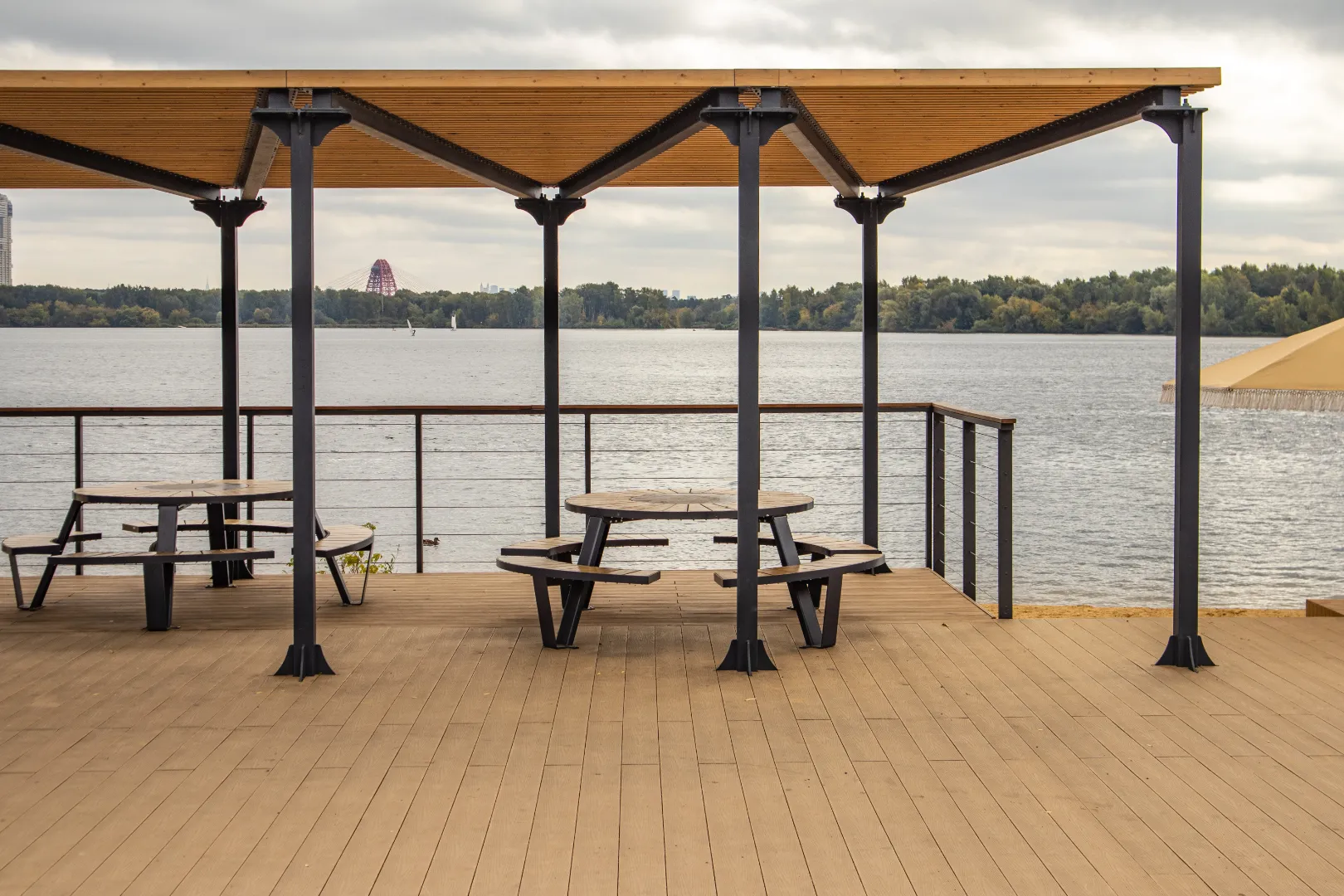
A pergola, shade sail, retractable canopy, or suitable outdoor umbrella can block direct sunlight. Trees may also provide shade, depending on their placement and growth.
Think about when the deck will be used. If the area is mainly used in the afternoon, position shade to protect it during those hours.
Plan the deck around its use
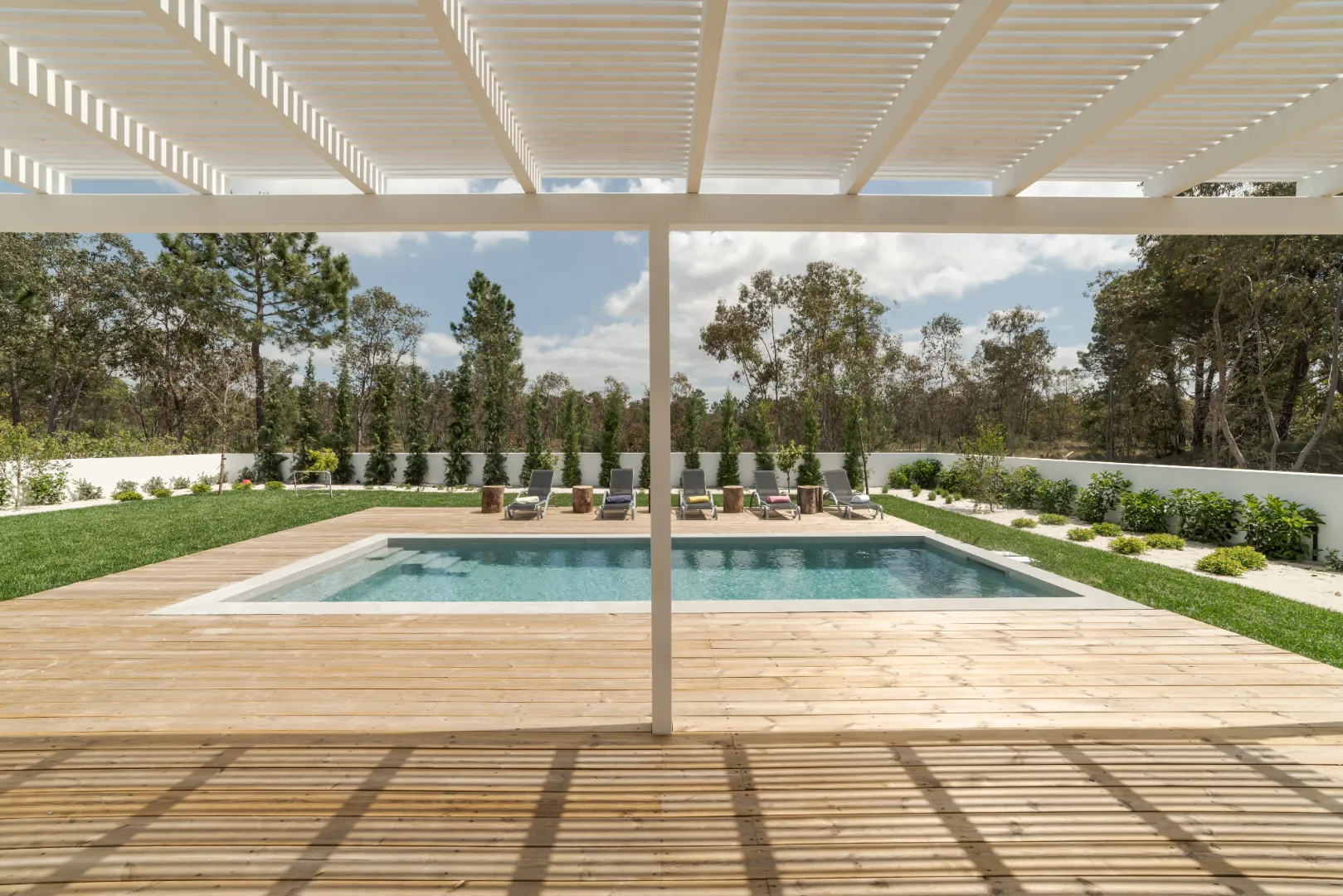
If the deck will surround a pool or serve as a play area, comfort underfoot should be part of the material selection. You may want to prioritize a lighter color and shade over a darker appearance.
Outdoor rugs may provide a more comfortable place to sit or stand, but use products intended for outdoor decking and follow the decking manufacturer’s guidance. Rugs can trap moisture or affect airflow if they are unsuitable.
Follow the manufacturer’s installation guidance
Proper installation helps the deck perform as intended. Follow the manufacturer’s recommendations for spacing, ventilation, and the supporting structure.
Do not assume that changing the installation will make the surface cool. Ventilation may help with heat dissipation, but it cannot prevent sunlight from warming the top of the boards.
Is Hot Composite Decking a Problem for Bare Feet and Pets?
A hot deck can be uncomfortable for people walking barefoot. Pets may also be affected because their paws come into direct contact with the surface.
On very sunny days, check the deck before allowing children or pets to spend time on it. If it feels uncomfortably hot to your hand, provide a shaded route or another surface. Avoid assuming that a deck is safe for bare feet simply because it is made from composite.
For pool decks and play areas, plan for shade and consider how the surface will feel during the hottest part of the day.
Does Composite Decking Cool Down at Night?
Composite decking generally cools as sunlight decreases, but the timing depends on the weather, the board’s exposure, and surrounding surfaces.
A deck that receives direct sun late in the afternoon may remain warm for a while after sunset. In cooler or breezier conditions, it may cool more quickly.
If evening use is important, observe the deck at the times you expect to use it. The temperature it reaches during midday may not reflect how comfortable it will be later.
Is Composite Decking a Good Choice for Hot Climates?
Composite decking can be suitable for hot climates, but choosing the right product and design matters. Consider the amount of direct sunlight your deck will receive, the color you prefer, and whether you need a comfortable barefoot surface.
For a sunny location, a lighter board combined with shade may be a better choice than a dark board installed in full sun. Review product specifications and ask the supplier about heat-related testing before making a final decision.
Conclusion
So, Does Composite Decking Get Hot? Yes, it can, particularly when dark-colored boards are exposed to strong, direct sunlight. But heat is not determined by material alone. Color, weather, shade, and the decking product itself all influence how hot the surface becomes.
To make a composite deck more comfortable, choose a lighter shade, add shade where practical, and compare product samples in the intended location. These steps can help you enjoy your outdoor space while making a more informed decking choice.
This article provides general information. Actual deck surface temperatures vary by product, installation, and weather conditions. Follow the decking manufacturer’s recommendations.