
How Long Does House Siding Last?
Key Takeaways
- House siding can last anywhere from 20 years to several decades, depending on the material.
- Vinyl and wood siding generally last around 20 to 40 years with proper care.
- Fiber cement and metal siding can often last 30 to 70 years or longer.
- Brick and stone siding can remain durable for many decades.
- Climate, moisture, sunlight, installation quality, and maintenance affect siding lifespan.
- Regular inspections can help catch cracks, rot, warping, and moisture damage early.
- Damaged siding does not always need complete replacement. Individual sections may be repairable.
- Proper installation and moisture control are important for preventing damage behind the siding.
- Siding should be evaluated based on its condition, not just its age.
- Regular maintenance can help extend the useful life of most siding materials.
Table Of Contents
- How Long Does House Siding Usually Last?
- What Affects the Lifespan of House Siding?
- 1. Climate and Weather
- 2. Installation Quality
- 3. Maintenance
- 4. Exposure to Sunlight
- 5. Moisture
- House Siding Lifespan by Material
- Vinyl Siding Lifespan
- Wood Siding Lifespan
- Fiber Cement Siding Lifespan
- Engineered Wood Siding Lifespan
- Metal Siding Lifespan
- Brick and Stone Siding Lifespan
- Signs That Your Siding May Need Replacement
- Does Maintenance Make Siding Last Longer?
- Can Siding Last Longer Than Its Expected Lifespan?
- When Should House Siding Be Replaced?
- Conclusion
If you have siding on your home, you may eventually wonder how long it is supposed to last. Siding protects your house from rain, wind, sunlight, insects, and changing temperatures. It also has a big effect on how the outside of your home looks.
The lifespan of house siding depends on several things, including the type of siding, the weather in your area, the quality of the installation, and how well the siding is maintained. Some siding can last for 20 years, while other types can remain in good condition for 50 years or more.
Understanding the expected lifespan of different siding materials can help you recognize normal wear and know when replacement may become necessary.
How Long Does House Siding Usually Last?
There is no single lifespan that applies to every type of house siding. Different materials age at different rates.
As a general guide:
- Vinyl siding can last about 20 to 40 years.
- Wood siding can last around 20 to 40 years with proper care.
- Fiber cement siding can last 30 to 50 years or longer.
- Engineered wood siding can last around 20 to 30 years, depending on the product and maintenance.
- Metal siding can last 40 to 70 years or more.
- Brick siding and brick veneer can last for many decades, often 50 years or longer.
- Stone veneer can last several decades when properly installed and maintained.
These are only general estimates. Siding that is exposed to harsh weather or poorly maintained may need attention much sooner. On the other hand, siding in a mild climate that is properly installed and cared for can sometimes last longer than expected.
What Affects the Lifespan of House Siding?
The material itself is only one part of the story. Several other factors can affect how long siding remains in good condition.
1. Climate and Weather
Weather has a major effect on siding.
Homes in areas with strong sunlight may experience more fading and heat-related damage. Frequent rain can expose siding to moisture for long periods. In colder areas, repeated freezing and thawing can put stress on certain materials.
Strong winds can also loosen siding or cause pieces to crack. Areas that regularly experience hurricanes, storms, or heavy snowfall may see more wear than areas with mild weather.
Humidity is another factor. High moisture levels can contribute to problems such as mold, mildew, and wood rot, particularly when water gets behind the siding.
2. Installation Quality
Even high-quality siding can have a short lifespan if it is installed incorrectly.
Siding needs to be installed according to the manufacturer's instructions. Proper spacing, fastening, flashing, drainage, and moisture protection all matter.
For example, if water is allowed to collect behind siding, it can damage the wall structure underneath. A small installation problem may not be noticeable at first, but it can eventually lead to much larger issues.
3. Maintenance
Some siding materials need regular maintenance, while others require very little.
Wood siding usually needs more attention than vinyl or fiber cement. Depending on the finish and local conditions, wood may need to be painted or stained periodically.
Vinyl siding generally needs little maintenance beyond cleaning and checking for damage. Fiber cement can also be relatively low maintenance, although painted surfaces may eventually need to be repainted.
Regular inspections can help identify small problems before they become serious.
4. Exposure to Sunlight
Sunlight can gradually affect exterior siding.
Ultraviolet rays can cause some materials and finishes to fade over time. Constant exposure to direct sunlight can also contribute to cracking, warping, or changes in the surface, depending on the siding material.
The amount of direct sunlight a wall receives can vary around the same house. A south-facing wall, for example, may experience different conditions from a shaded wall.
5. Moisture
Water is one of the biggest concerns when it comes to siding.
Siding is designed to help protect the house from water, but it is not always the only layer responsible for keeping moisture out. Proper flashing, house wrap, drainage, and sealing are also important parts of a home's exterior wall system.
Damaged siding can allow water to reach areas where it should not. Over time, this can contribute to wood rot, mold, staining, or damage to the wall structure.
House Siding Lifespan by Material
| Siding Material | Average Lifespan |
|---|---|
| Vinyl Siding | 20 to 40 years |
| Wood Siding | 20 to 40 years |
| Engineered Wood Siding | 20 to 30 years |
| Fiber Cement Siding | 30 to 50+ years |
| Aluminum Siding | 30 to 40 years |
| Steel Siding | 40 to 70+ years |
| Brick Siding | 50+ years |
| Stone Siding | 50+ years |
| Resysta Siding | 40+ years* |
*Actual lifespan can vary based on installation, climate, exposure, maintenance, and the specific product.
Vinyl Siding Lifespan
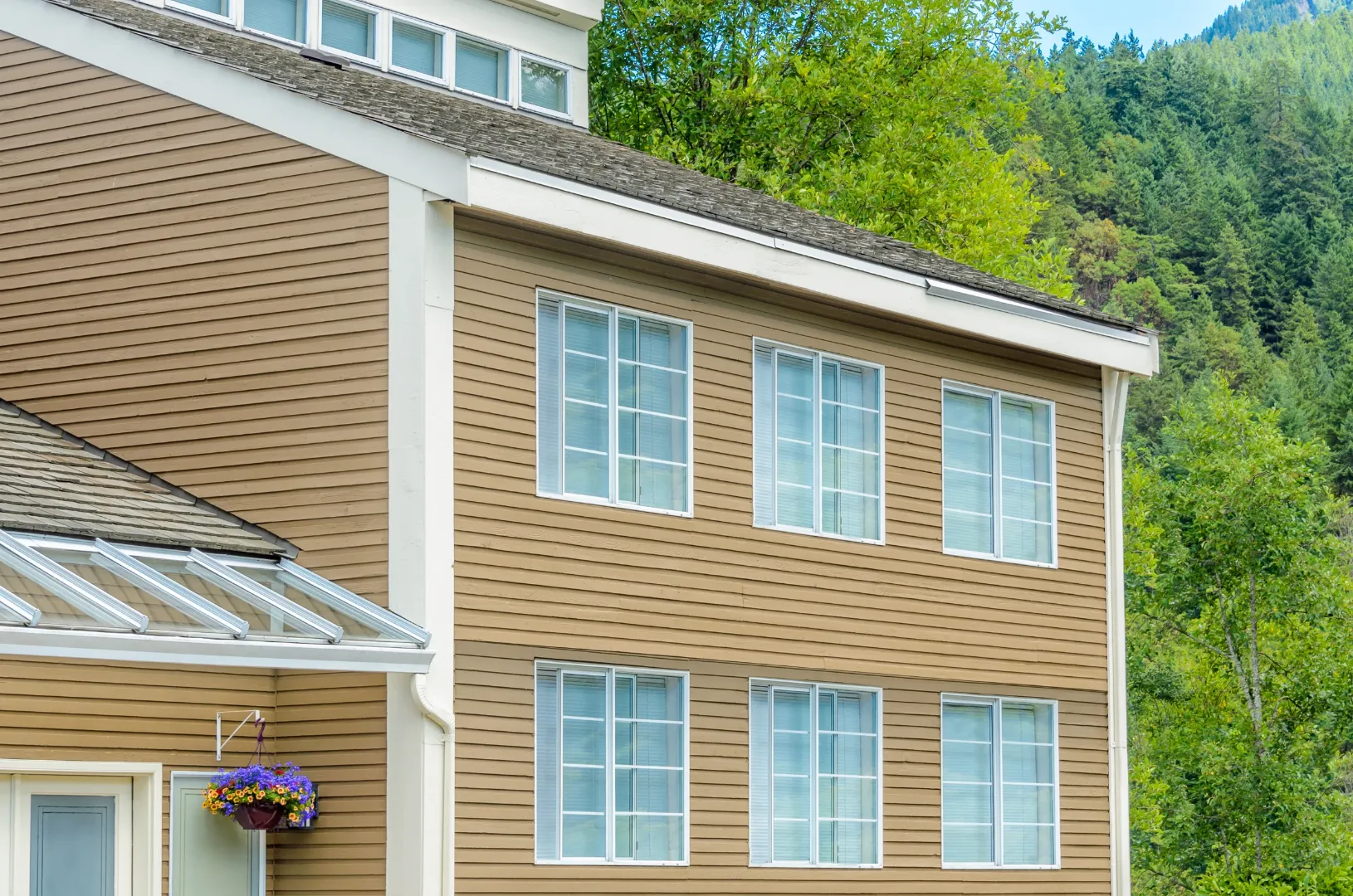
Vinyl is one of the most common siding materials used on homes.
Under normal conditions, vinyl siding can last roughly 20 to 40 years. Higher-quality products that are properly installed and maintained may last longer.
One reason vinyl is popular is that it does not need to be painted regularly. It can usually be cleaned with water and an appropriate household cleaning solution.
However, vinyl can crack after strong impacts, especially in very cold weather. It can also become brittle as it gets older. Severe heat may cause some products to expand or warp if they are not installed correctly.
Fading is another possible issue, although modern vinyl siding is generally designed to resist color changes better than older products.
Wood Siding Lifespan
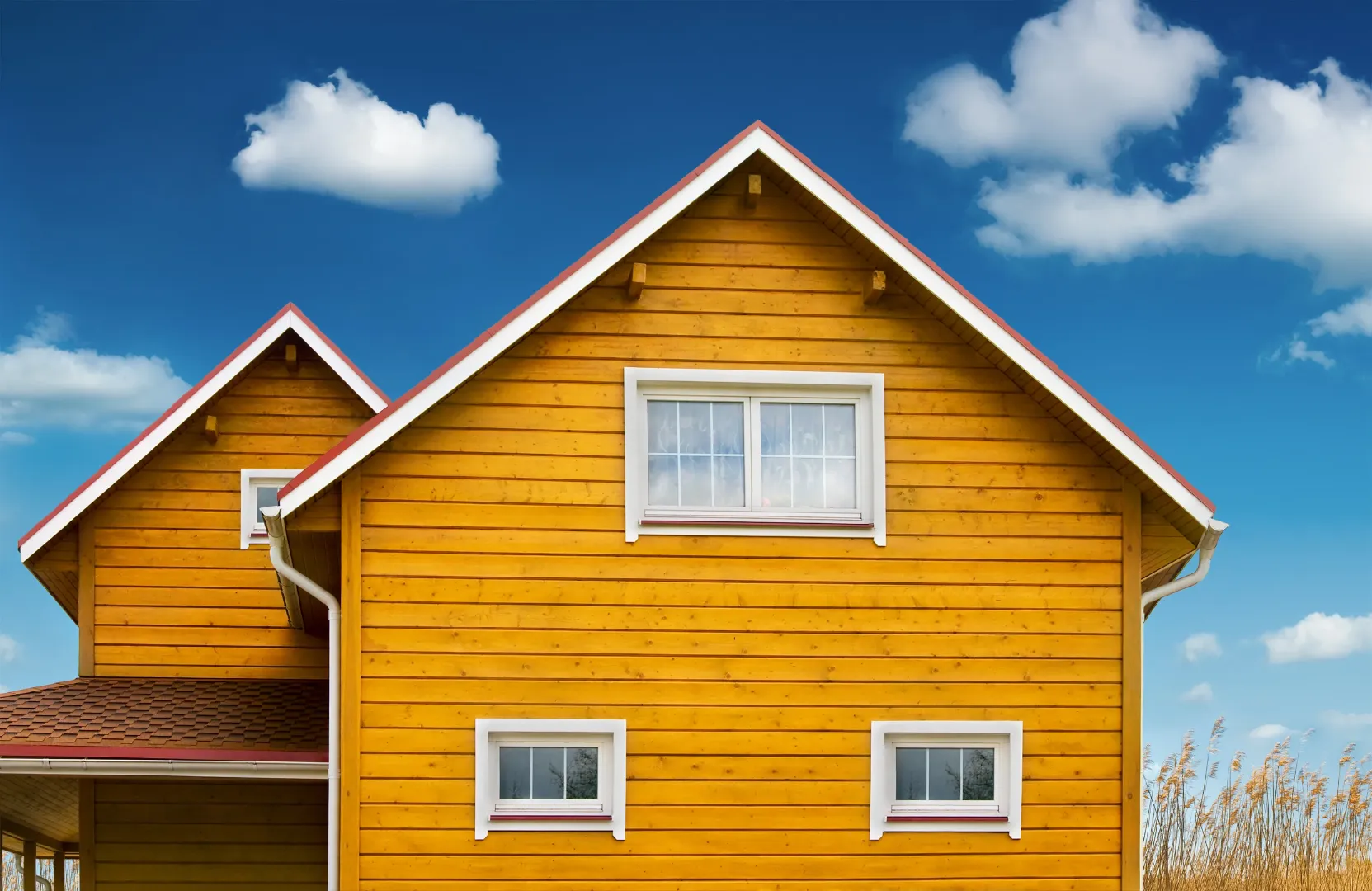
Wood siding has been used on homes for centuries and remains popular because of its natural appearance.
Wood siding can last around 20 to 40 years when it is properly maintained. In some cases, it can last considerably longer.
The main concern with wood is moisture. If water repeatedly gets into the wood, it can lead to rot and decay. Insects can also damage untreated or poorly maintained wood.
Paint and stain help protect wood siding from moisture and sunlight. Regular inspections are especially important around windows, doors, roof lines, and areas where water tends to collect.
One advantage of wood siding is that individual boards can often be repaired or replaced when they become damaged.
Fiber Cement Siding Lifespan
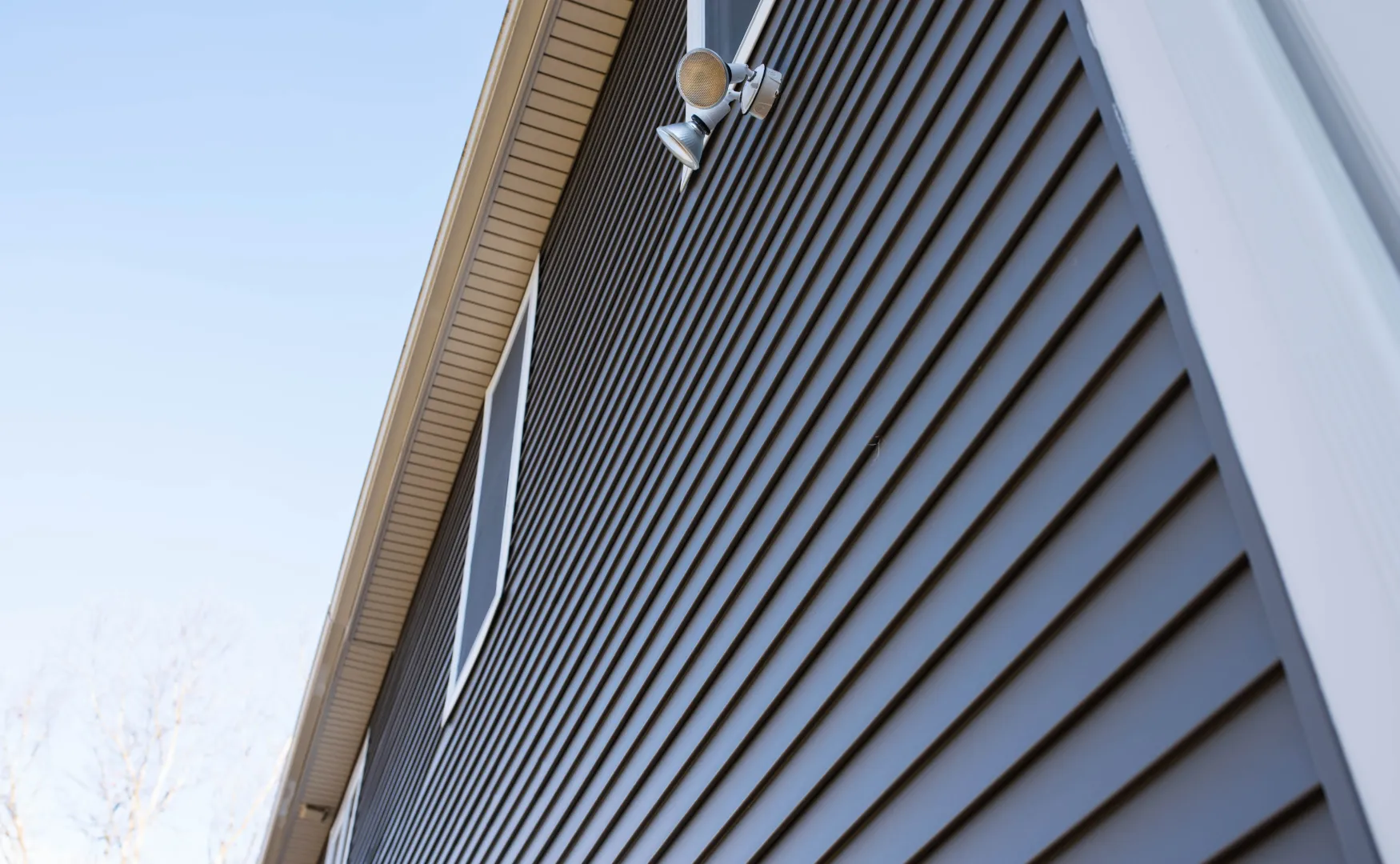
Fiber cement siding is made from a mixture that commonly includes cement, wood fibers, sand, and other materials.
It is known for its durability and resistance to many common exterior problems. Fiber cement siding can often last 30 to 50 years or more when it is properly installed and maintained.
It is resistant to problems that can affect some other siding materials, including insects and rot.
Painted fiber cement siding will eventually need maintenance. The exact time between repainting depends on the product, climate, paint, and exposure to the elements.
Because fiber cement is relatively heavy, proper installation is particularly important.
Engineered Wood Siding Lifespan
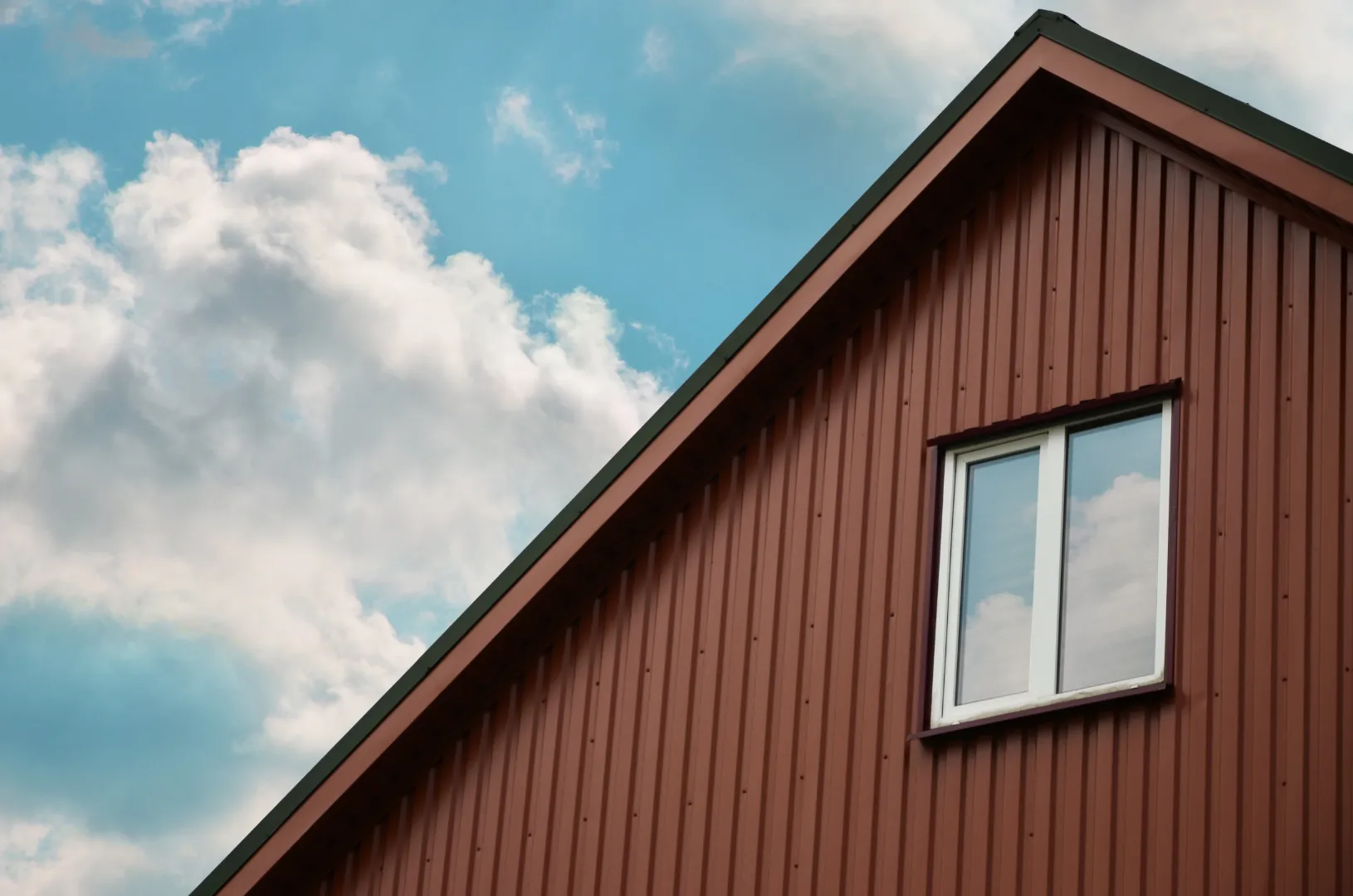
Engineered wood siding is designed to provide some of the appearance of traditional wood while using manufactured wood products.
Its lifespan can vary significantly depending on the product, installation, climate, and maintenance. A general range is around 20 to 30 years, although some products may last longer.
Like other wood-based materials, engineered wood needs protection from excessive moisture. Damage to the surface or edges should be addressed before water has an opportunity to enter the material.
Following the manufacturer's maintenance recommendations can help extend its useful life.
Metal Siding Lifespan
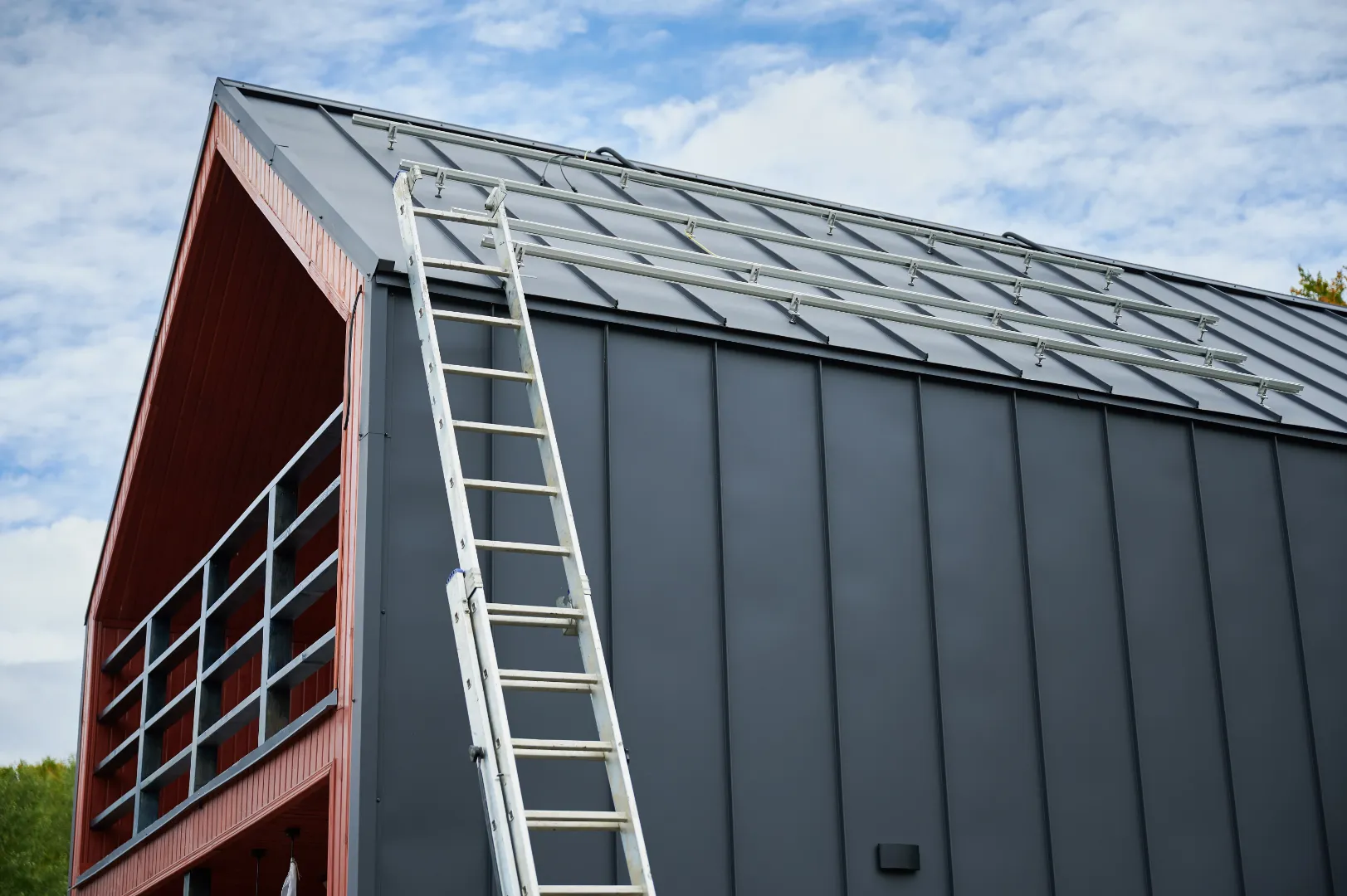
Metal siding, including steel and aluminum, can have a long lifespan.
Depending on the material and conditions, metal siding may last 40 to 70 years or more.
Steel siding is strong and resistant to impact, although it can develop rust if its protective coating is damaged and moisture reaches the metal.
Aluminum does not rust in the same way steel does, but it can dent more easily. Its finish can also fade or become chalky over time.
Proper installation and occasional cleaning can help metal siding remain in good condition for many years.
Brick and Stone Siding Lifespan
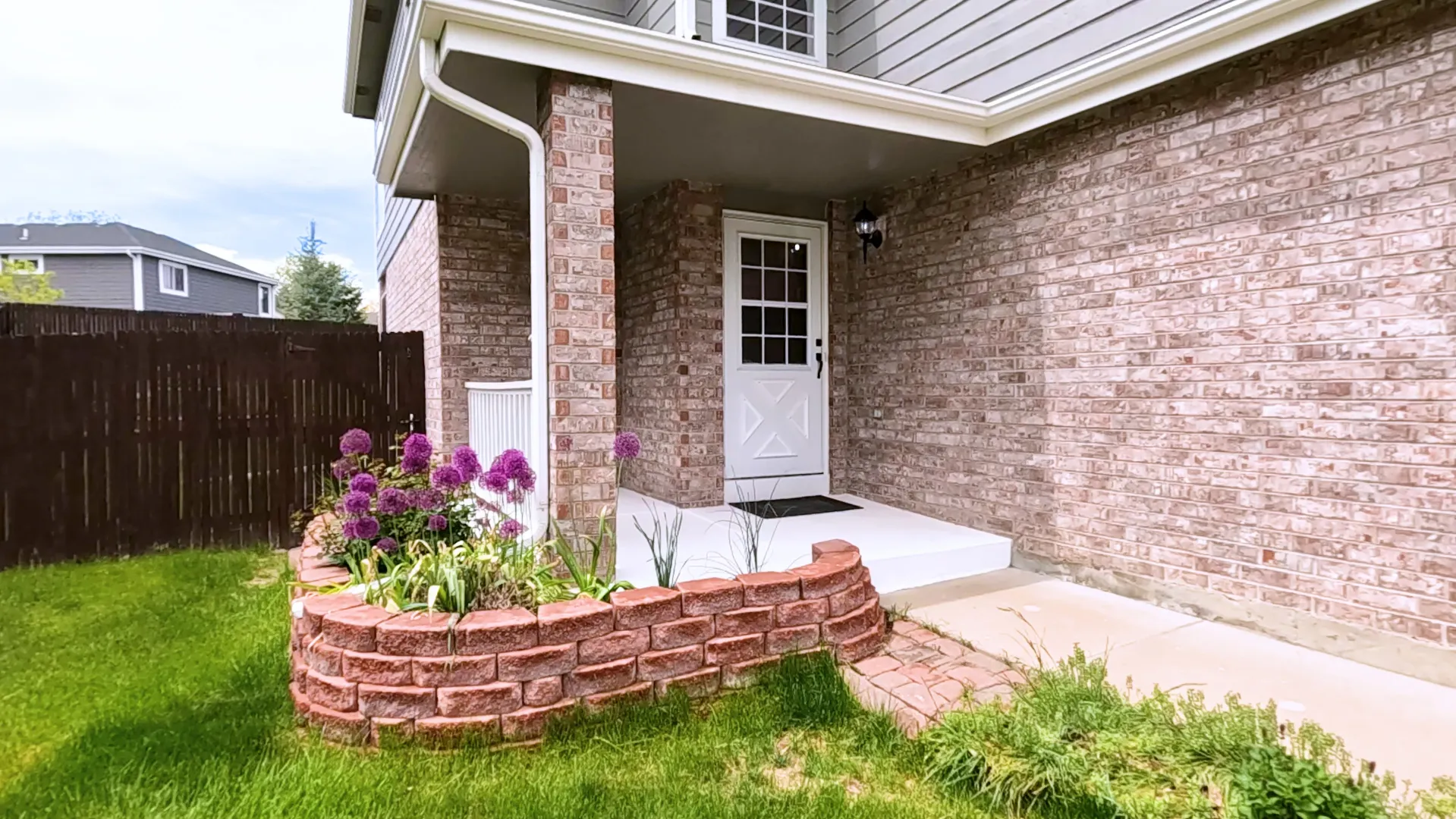
Brick and natural stone are among the longest-lasting exterior materials.
Brick can remain in place for many decades and, in some cases, for a century or more. Natural stone can also last for generations when properly installed.
However, the fact that the material itself is very durable does not mean the entire exterior system is maintenance-free.
Mortar joints can deteriorate over time. Cracks may develop, water can enter through damaged areas, and surrounding materials such as flashing may eventually need repair.
Stone veneer and brick veneer are different from full masonry walls. Their lifespan depends not only on the material but also on the installation system and the condition of the structure behind them.
Signs That Your Siding May Need Replacement
Age alone does not always mean siding needs to be replaced. The condition of the material is more important.
Some signs that may indicate siding is reaching the end of its useful life include:
- Large or repeated cracks
- Loose or missing siding
- Significant warping or buckling
- Rotting or soft areas
- Persistent moisture problems
- Peeling paint that returns quickly
- Extensive fading
- Holes or damage caused by insects
- Siding that no longer protects the wall properly
- Visible damage around windows and doors
A single damaged section does not necessarily mean the entire house needs new siding. In some cases, individual boards or panels can be repaired or replaced.
However, widespread damage may indicate that the siding has reached the end of its service life.
Does Maintenance Make Siding Last Longer?
Regular maintenance can help extend the useful life of siding.
A basic inspection once or twice a year can help you find problems early. Look for cracks, loose pieces, gaps, stains, mold, mildew, and areas where water appears to be collecting.
Keeping gutters and downspouts working properly is also important. Overflowing gutters can send large amounts of water down exterior walls and increase moisture exposure.
Trees and shrubs should also be kept from constantly rubbing against the siding. Branches can scratch surfaces and create opportunities for moisture to enter.
Cleaning siding according to the manufacturer's recommendations can remove dirt and buildup. Avoid using cleaning methods that can damage the material or force water behind the siding.
Can Siding Last Longer Than Its Expected Lifespan?
Yes. The estimated lifespan of siding is not an expiration date.
A siding material that is expected to last 30 years may remain functional beyond that point if it has been well maintained and exposed to favorable conditions. At the same time, siding that is poorly installed or exposed to severe weather may need replacement earlier.
The condition of the siding should always be considered alongside its age.
For example, a 35-year-old siding system that is still solid, dry, and free from major damage may not need immediate replacement. A 15-year-old system with extensive rot, cracking, or moisture damage may require much more attention.
When Should House Siding Be Replaced?
There is no universal year when every homeowner should replace their siding.
Replacement generally becomes worth considering when repairs are becoming frequent, damage is widespread, or the siding is no longer providing reliable protection.
If you notice water damage, extensive rot, structural problems, or large areas of damaged siding, it is a good idea to have the exterior inspected. An inspection can help determine whether the problem is limited to the siding or extends into the wall underneath.
It is also important to find the cause of the damage. Replacing siding without fixing an underlying moisture or drainage problem may simply lead to the same issue again.
Conclusion
House siding can last anywhere from a few decades to many generations, depending on the material and the conditions around the home. Vinyl and wood siding commonly last around 20 to 40 years, while fiber cement and metal can often last longer. Brick and stone can remain durable for many decades or more. Materials such as Resysta, available through Resysta USA, offer another option for exterior siding and can be considered when comparing different siding materials and their expected lifespan.
Climate, installation, moisture, sunlight, maintenance, and physical damage all play a role in siding's lifespan. Even durable siding can develop problems when it is exposed to constant moisture, extreme weather, or poor installation.
The best way to judge whether siding needs replacement is not simply to look at its age. Pay attention to its condition and watch for signs such as cracking, warping, rot, loose sections, moisture damage, and repeated repairs. Checking the siding regularly can help identify problems before they become more serious.
With proper installation and regular care, many types of siding can protect a home for a long time. Comparing the expected lifespan, maintenance needs, and environmental conditions for each material can help homeowners understand how different siding options may perform over the years.