
How Much Does Siding Cost?
Key Takeaways
- Siding cost typically ranges from $8,000 to $30,000 for a complete home replacement, depending on the size and material.
- Vinyl siding is usually one of the most affordable options, while brick, stone, and premium materials can cost much more.
- Composite siding offers a wood-like appearance with relatively low maintenance and usually falls between basic vinyl and higher-end materials.
- The final price depends on more than the siding itself. Labor, old siding removal, wall repairs, trim, flashing, and installation can add significantly to the total.
- For an accurate estimate, compare at least three detailed contractor quotes and make sure each quote covers the same work.
Table Of Contents
- Average Siding Cost
- Siding Cost Per Square Foot
- Vinyl Siding Cost
- Composite Siding Cost
- Fiber Cement Siding Cost
- Wood Siding Cost
- Engineered Wood Siding Cost
- Metal Siding Cost
- Brick and Stone Siding Cost
- What Affects Siding Cost?
- Home Size
- Removing Old Siding
- Repairs
- Labor
- Trim and Finishing
- How Much Does Siding Cost for a 2,000-Square-Foot House?
- Does Siding Installation Include Removal?
- How to Save Money on Siding
- Is New Siding Worth the Cost?
- How to Get an Accurate Siding Cost
- Conclusion
If you are thinking about replacing the siding on your house, one of the first things you will want to know is the siding cost.
In 2026, homeowners in the U.S. can generally expect to spend around $8,000 to $30,000 for a complete siding replacement. Smaller homes and basic materials can cost less, while large homes, premium materials, and complicated installations can push the price well above $30,000.
The material you choose has a major effect on the final price. Vinyl is usually one of the more affordable options. Wood, fiber cement, engineered wood, composite, metal, brick, and stone siding can all fall into different price ranges.
Labor is another big part of the bill. The condition of your existing exterior, the amount of old siding that needs to be removed, and the shape of your home can also change the final quote.
Average Siding Cost
Siding is normally priced either by the square foot or by the total project.
As a general estimate, a typical siding replacement can cost:
| Project | Approximate cost |
|---|---|
| Small home or partial replacement | $3,000 to $8,000 |
| Average home | $8,000 to $20,000 |
| Large home | $20,000 to $30,000+ |
| Premium siding project | $30,000+ |
These numbers are only starting points. A contractor will need to measure the actual exterior before giving you a reliable estimate.
The floor area of your house is also not the same as the amount of siding required. A 2,000-square-foot home may have considerably more than 2,000 square feet of exterior walls once gables, upper floors, garages, and other areas are included.
Siding Cost Per Square Foot
Comparing siding by square foot is useful when you are deciding between materials.
Here is a general idea of how different materials compare:
| Siding material | Approx. cost per sq. ft. |
|---|---|
| Vinyl | $3 to $12 |
| Engineered wood | $1 to $6 |
| Wood | $1 to $15 |
| Aluminum | $3 to $6 |
| Composite | $4 to $12 |
| Fiber cement | $5 to $14 |
| Steel | $4 to $16 |
| Stucco | $7 to $9 |
| Brick | $10 to $20 |
| Stone | $7 to $30 |
The actual price depends on the specific product, installation method, local labor rates, and preparation needed.
Some prices you see online are material-only estimates, while others include installation. Always check what is included before comparing two prices.
Vinyl Siding Cost
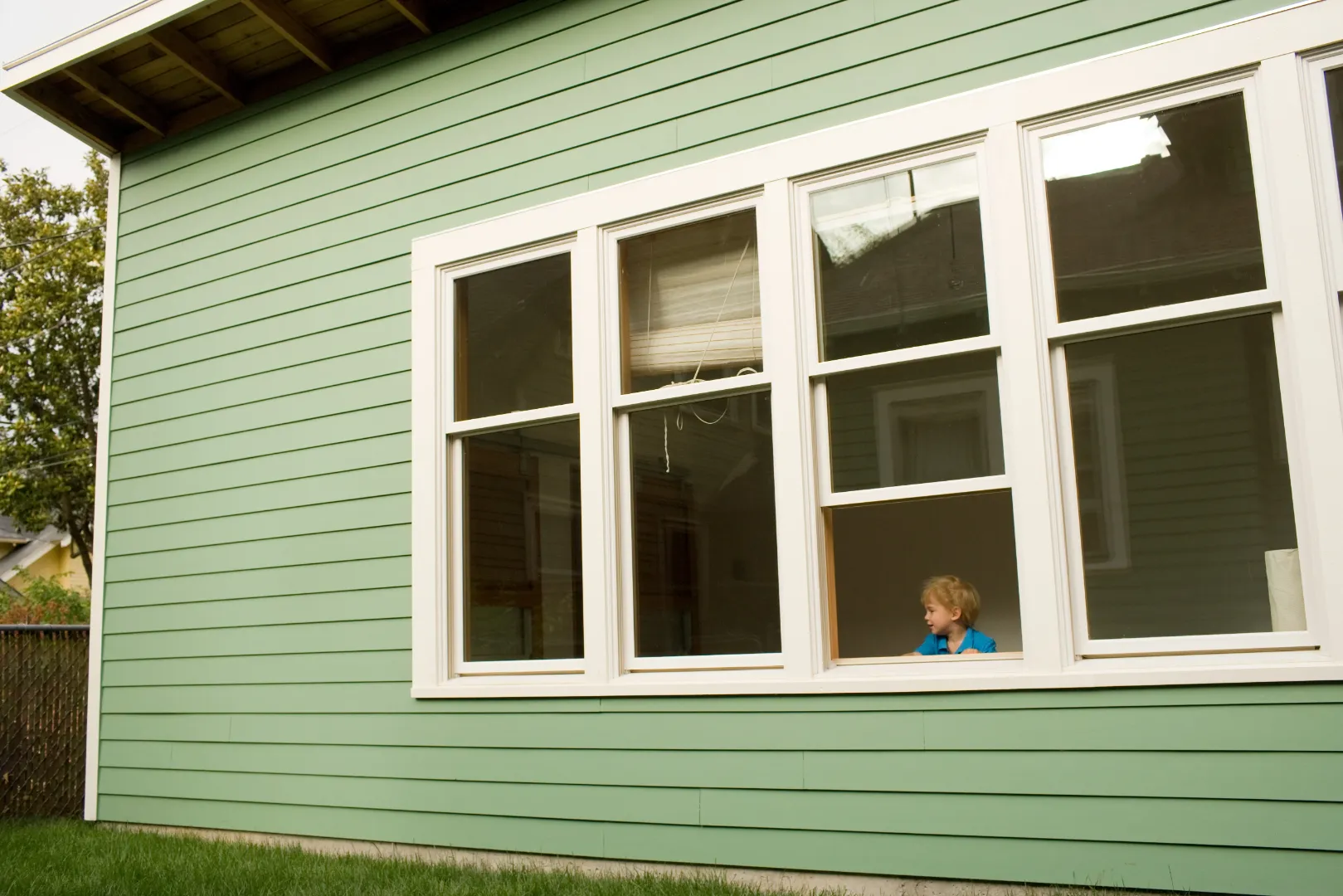
Vinyl remains a popular choice because it is relatively affordable and does not require much maintenance.
Basic vinyl siding can start around $3 per square foot, while premium styles, insulated products, and specialty finishes can cost considerably more.
For a typical house, vinyl can be one of the easier ways to keep the initial siding cost under control.
It is also available in many colors and profiles. Some products are made to resemble wood siding without requiring regular painting or staining.
The main drawback is that cheaper vinyl can look less natural than higher-end materials, and it can crack or become damaged from severe impacts or extreme temperature changes.
Composite Siding Cost
Composite siding is another option worth considering, especially if you want the appearance of wood without some of the maintenance that comes with natural wood.
Composite siding is made from manufactured materials rather than solid pieces of natural timber. Different manufacturers use different blends and construction methods, so prices can vary.
A general range is around $4 to $12 per square foot, although premium composite products can cost more.
Composite siding can be a good middle-ground option. It can offer a wood-like appearance, good durability, and relatively low maintenance.
When comparing composite siding, look beyond the price per square foot. Check the manufacturer's warranty, installation requirements, moisture resistance, and how the product handles your local weather conditions.
Fiber Cement Siding Cost
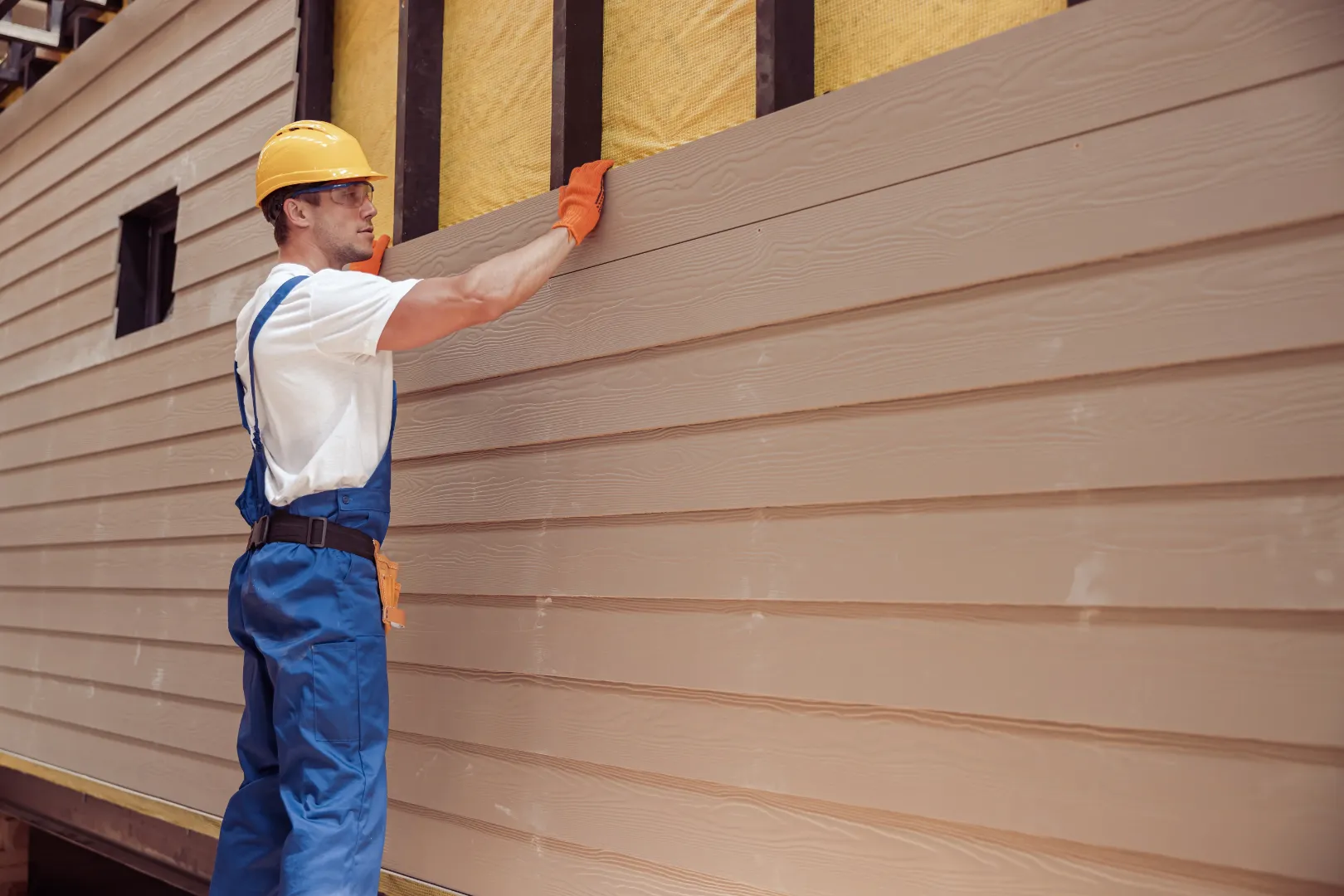
Fiber cement siding is another common choice for homeowners who want a durable exterior with the appearance of painted wood.
It generally costs around $5 to $14 per square foot, depending on the product and installation.
Fiber cement is heavier than vinyl, which can make installation more labor-intensive. It also needs to be handled and cut properly during installation.
One reason homeowners choose it is durability. Properly installed fiber cement can last for decades and offers good resistance to insects, fire, and harsh weather.
It can cost more upfront than basic vinyl, but some homeowners prefer it because of its appearance and long service life.
Wood Siding Cost
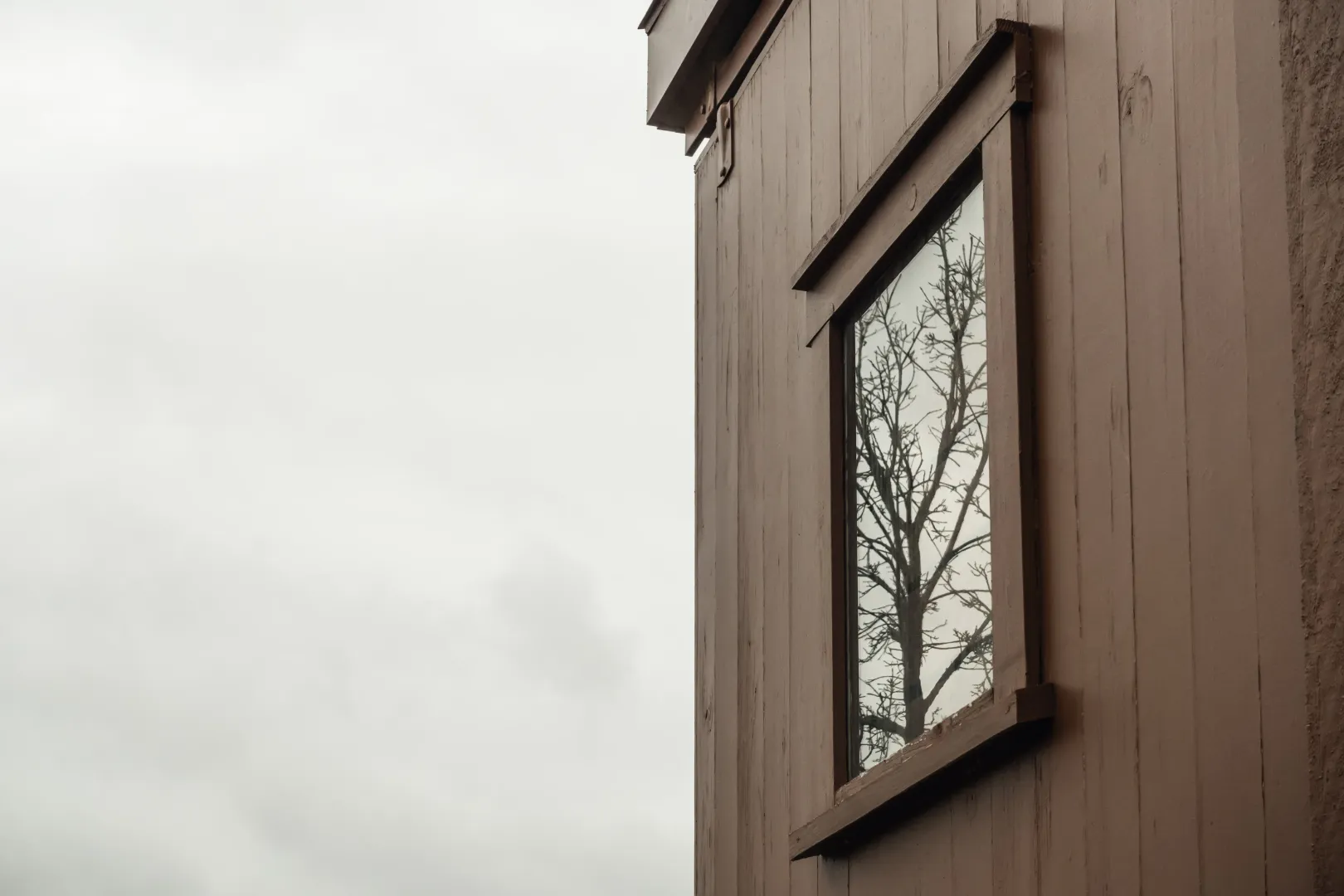
Natural wood siding remains popular because of its appearance.
Cedar, pine, redwood, fir, and other wood species can be used for siding. The cost depends heavily on the type of wood, profile, finish, and installation.
Wood siding can cost anywhere from roughly $1 to $15 per square foot, depending on the material and project.
The biggest thing to remember with wood siding is maintenance.
Wood can require painting, staining, sealing, and repairs over time. Moisture is particularly important. If water gets behind the siding or the finish is not maintained, rot and other damage can develop.
For homeowners who like the natural appearance of real wood and are comfortable with regular maintenance, it can still be an excellent choice.
Engineered Wood Siding Cost
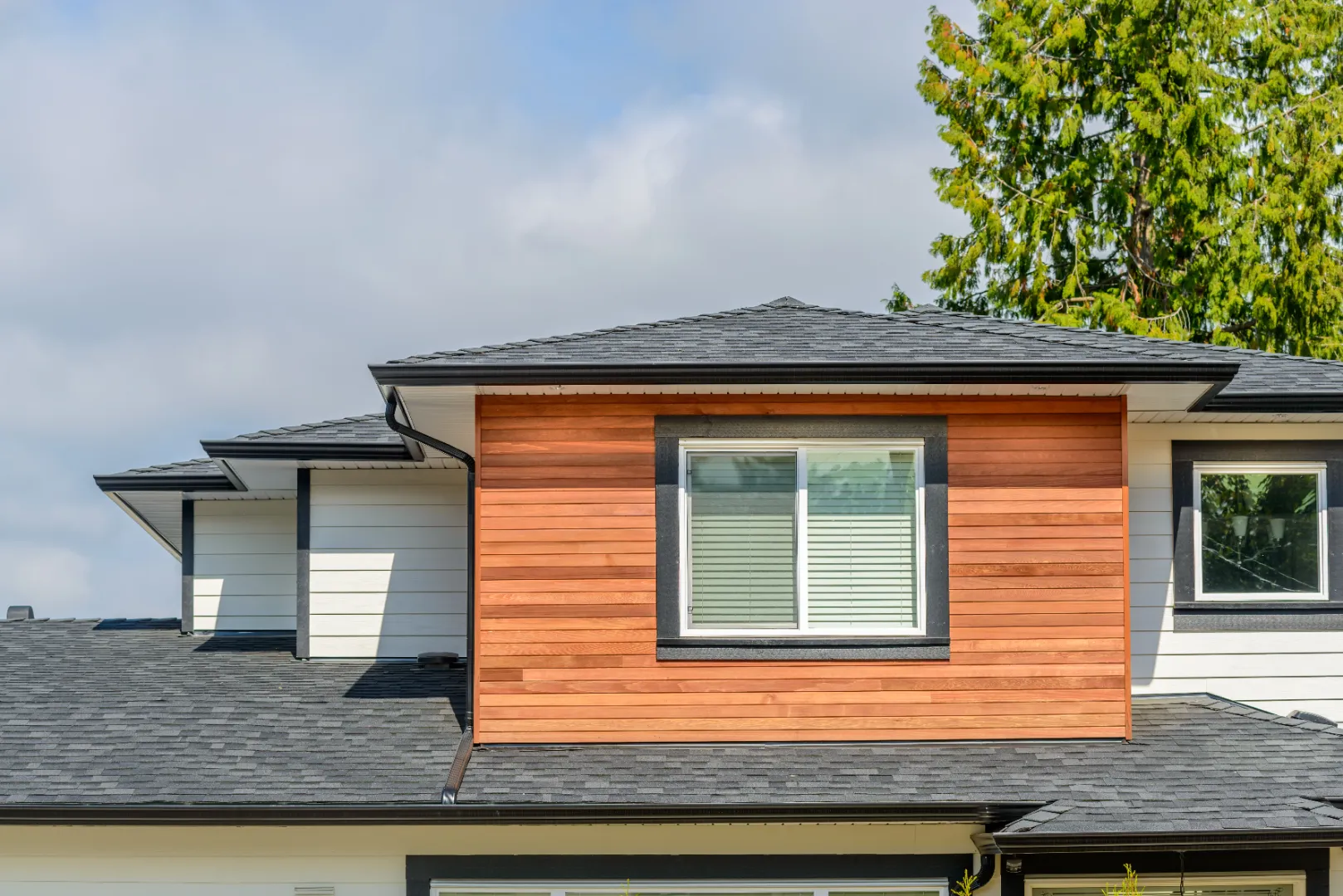
Engineered wood is manufactured from wood fibers and other materials to create siding that resembles traditional wood.
It is generally less expensive than many premium natural wood options and can provide a similar appearance.
Engineered wood siding can cost roughly $1 to $6 per square foot, although installation and premium products can increase the total.
It is worth comparing engineered wood with composite siding because the two can look similar but have different construction, warranties, maintenance requirements, and prices.
Metal Siding Cost
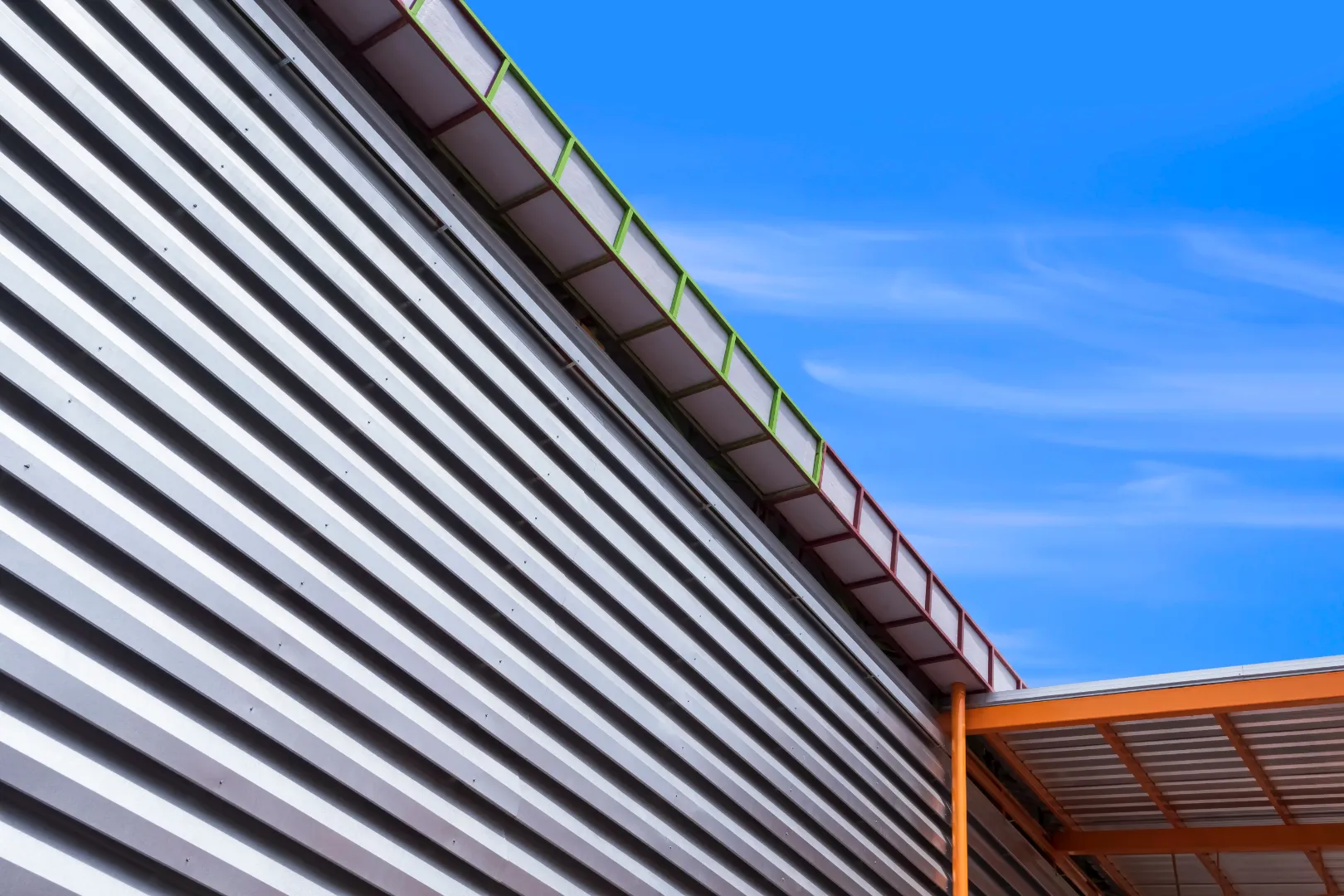
Aluminum and steel are two common metal siding choices.
Aluminum siding generally costs around $3 to $6 per square foot, while steel can cost around $4 to $16 per square foot depending on the product.
Metal siding is durable and can work particularly well for modern or industrial-style homes.
Steel is generally stronger than aluminum, but it can be heavier and may cost more to install.
Metal siding can also dent if it receives a strong impact. Aluminum has the additional issue of being more prone to dents and can develop a chalky appearance as the finish ages.
Brick and Stone Siding Cost
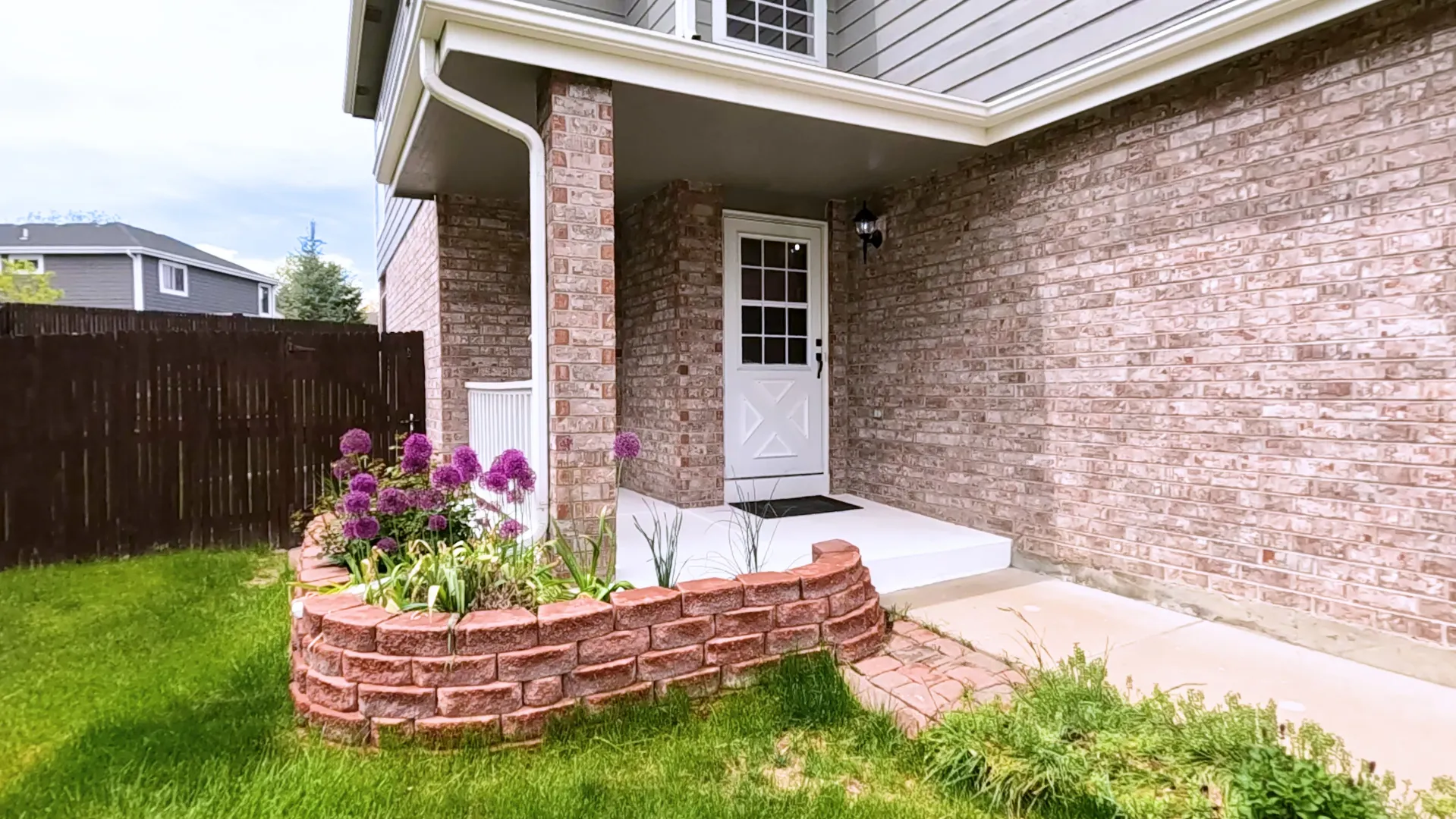
Brick and stone are among the more expensive exterior options.
Brick siding can cost around $10 to $20 per square foot, while stone can range from roughly $7 to $30 per square foot depending on whether you choose natural stone or a manufactured product.
These materials are heavier and can require more specialized installation.
They also create a very different look from vinyl, composite, or wood siding. If you want a traditional, high-end exterior and have the budget for it, brick or stone can be worth considering.
Manufactured stone veneer can provide a similar appearance at a lower cost than some natural stone installations.
What Affects Siding Cost?
The material is only one part of your total bill.
Several other factors can change the price significantly.
Home Size
A larger house requires more siding, but the shape of the house matters too.
A simple two-story home may be easier and cheaper to side than a smaller house with multiple gables, dormers, corners, windows, and rooflines.
Removing Old Siding
If your old siding has to come off before the new material is installed, expect an additional cost.
The contractor has to remove the material, load it, and dispose of it properly.
If there are several layers of old siding, the removal process can take even longer.
Repairs
This is an important part of the budget.
Once old siding comes off, contractors may discover damaged sheathing, moisture damage, wood rot, or problems around windows and doors.
These repairs should generally be completed before new siding is installed.
Labor
Labor rates vary by location and by the material being installed.
Vinyl can generally be installed faster than some heavier or more complicated materials. Fiber cement, composite products, brick, and stone may require more specialized installation.
Trim and Finishing
Your siding project may also include:
- Window and door trim
- Corner pieces
- Fascia
- Soffits
- Flashing
- House wrap
- Caulking
- Starter strips
- Exterior vents
These items may be included in a contractor's quote or charged separately.
How Much Does Siding Cost for a 2,000-Square-Foot House?
A 2,000-square-foot home is often used as a simple example when estimating siding prices.
Depending on the actual exterior area and material, you might see a rough project range like this:
| Material | Rough project range |
|---|---|
| Vinyl | $6,000 to $24,000 |
| Engineered wood | $5,000 to $12,000 |
| Composite | $8,000 to $24,000 |
| Fiber cement | $10,000 to $28,000 |
| Wood | $7,000 to $30,000 |
| Metal | $8,000 to $30,000+ |
| Brick | $20,000 to $40,000+ |
| Stone | $15,000 to $50,000+ |
These are broad estimates and should not be treated as quotes.
For example, a 2,000-square-foot house does not necessarily have 2,000 square feet of siding. Windows, doors, garages, rooflines, and other features affect the amount of material required.
Does Siding Installation Include Removal?
Not always.
Some contractors include old siding removal in the installation price. Others list it as a separate charge.
When you receive a quote, ask specifically:
Does this price include removing and disposing of my existing siding?
Also ask whether the quote includes wall repairs, house wrap, flashing, trim, and cleanup.
This makes it easier to compare quotes accurately.
How to Save Money on Siding
You do not have to choose the cheapest material to reduce your siding cost.
Start by getting quotes from several reputable contractors. Make sure they are quoting the same scope of work so you are comparing similar projects.
You can also choose a simpler siding profile and avoid unnecessary decorative details.
If your existing siding is still in reasonable condition, ask whether a partial replacement or repair makes more sense than replacing the entire exterior.
It is also worth thinking about long-term maintenance. A cheaper material that needs frequent painting or repairs may not remain the cheaper option over several decades.
Is New Siding Worth the Cost?
New siding can make a major difference to the appearance of a home.
It also protects the walls from rain, wind, sunlight, and changing temperatures. Depending on the material, new siding can provide several decades of service with proper installation and maintenance.
The best option depends on your priorities.
If keeping the initial cost low is your main concern, vinyl is worth considering.
If you want a wood appearance with lower maintenance, composite or engineered wood may be a better fit.
If durability is a priority, fiber cement can be worth the additional upfront cost.
If you want a natural exterior, wood, brick, or stone may be more appealing.
There is no single material that is best for every home.
How to Get an Accurate Siding Cost
Online estimates are useful for setting a budget, but a contractor quote will be much more accurate.
Before getting quotes, decide which materials you are interested in and ask contractors to provide a detailed breakdown.
Your quote should ideally show:
- Material cost
- Labor cost
- Old siding removal
- Disposal
- Surface preparation
- Repairs
- House wrap
- Flashing
- Trim
- Permits, if required
- Cleanup
Do not automatically choose the lowest quote. Check what each contractor is actually including.
A quote that is $3,000 cheaper may simply leave out work that another contractor has included.
Conclusion
The average siding cost can range from around $8,000 to $30,000 for a typical complete replacement, but there is a wide range depending on the material and the home.
Vinyl is usually one of the most affordable choices. Composite and engineered wood sit in the middle of the market for many projects, while fiber cement, natural wood, metal, brick, and stone can take the budget higher.
For a better estimate, focus on the actual exterior square footage rather than simply using your home's floor area. Then add the cost of labor, removal, preparation, trim, and any repairs.
Getting several detailed quotes is the best way to understand what your siding project is likely to cost in your area.
If you are looking for a composite siding option, Resysta USA is worth considering for projects where durability, a natural wood-like appearance, and low maintenance are important.