
What Is Exterior Cladding? Types, Materials, Benefits, and Uses
Key Takeaways
- Exterior cladding is the outer material installed over a building's exterior walls.
- It helps protect the building from weather and contributes to its appearance.
- Common materials include wood, vinyl, fiber cement, metal, brick, stone, and composite cladding.
- Cladding systems may include ventilation and drainage spaces to help manage moisture.
- The right material depends on climate, building design, budget, and maintenance requirements.
- Proper installation is essential for long-term performance.
- Exterior cladding is not the same as the building's structural wall or waterproofing system.
Table Of Contents
- What Is Exterior Cladding?
- What Is the Purpose of Exterior Cladding?
- Protection From Weather
- Improved Building Appearance
- Moisture Management
- Thermal Performance
- Reduced Maintenance
- What Are the Different Types of Exterior Cladding?
- 1. Wood Cladding
- 2. Composite Cladding
- 3. Vinyl Cladding
- 4. Fiber Cement Cladding
- 5. Metal Cladding
- 6. Brick Cladding
- 7. Stone Cladding
- What Is the Difference Between Exterior Cladding and Siding?
- What Are the Benefits of Exterior Cladding?
- Better Weather Protection
- More Design Options
- Potentially Lower Maintenance
- Improved Thermal Performance
- Increased Property Appeal
- How Do You Choose the Right Exterior Cladding?
- How Is Exterior Cladding Installed?
- Step 1: Inspect the Existing Wall
- Step 2: Prepare the Wall
- Step 3: Install the Water-Resistive Barrier
- Step 4: Install Flashing and Drainage Details
- Step 5: Install the Cladding
- Step 6: Inspect and Finish
- How Much Does Exterior Cladding Cost?
- How Do You Maintain Exterior Cladding?
- Conclusion
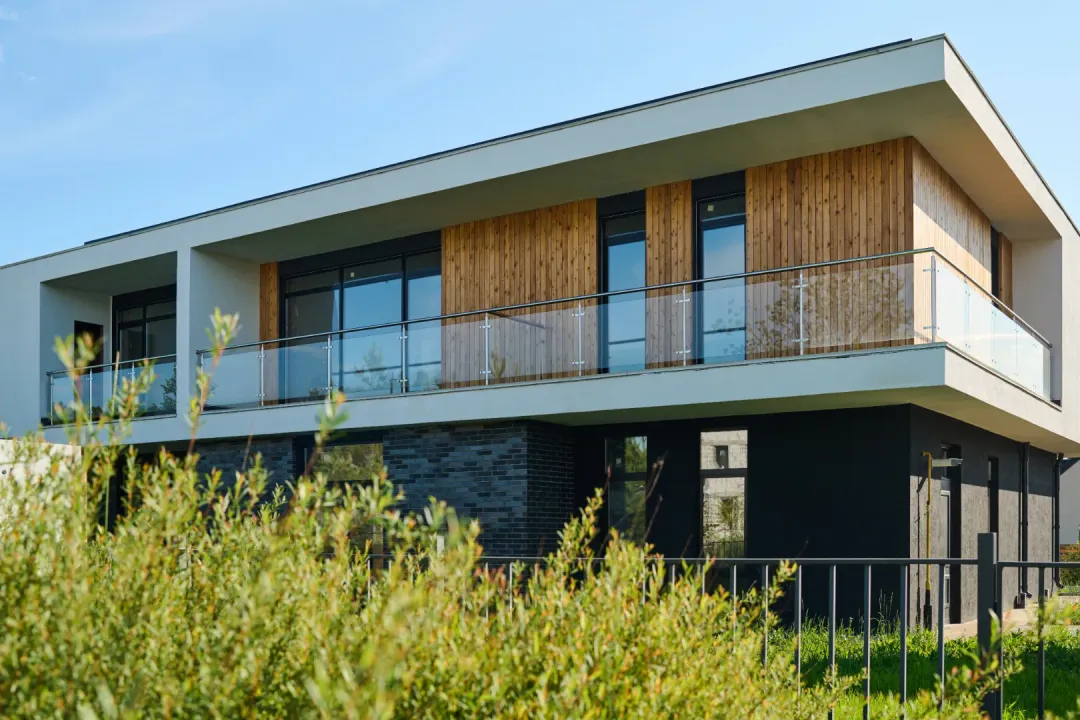
Exterior cladding is an important part of a building's design and construction. It forms the outer covering of a building's walls, helping protect the structure from rain, wind, sunlight, and other environmental conditions. It also influences how a property looks, how well it manages moisture, and how much maintenance it requires.
Homeowners, architects, builders, and contractors can choose from several cladding materials, including natural wood, fiber cement, metal, brick, stone, vinyl, and composite products. Each material offers different benefits in terms of appearance, durability, installation, and cost.
Understanding what exterior cladding is can help you select a suitable material for a new construction project or an exterior renovation. This guide explains how cladding works, the different types available, its benefits, and the factors to consider before choosing a product.
What Is Exterior Cladding?
Exterior cladding is the material or system applied to the outside walls of a building. It acts as an outer protective layer and gives the structure its finished appearance.
Cladding can be installed on residential houses, commercial buildings, offices, apartments, warehouses, and other structures.
Its main purpose is to protect the building's exterior wall assembly from direct exposure to environmental conditions. Depending on the material and installation system, cladding can help manage rainwater, reduce exposure to sunlight, and provide additional resistance to wind and physical damage.
However, cladding is not necessarily waterproof by itself. Many exterior wall systems rely on several components working together, including:
Exterior cladding material.
A drainage or ventilation cavity, where required by the system.
A water-resistive barrier.
Flashing around windows, doors, and other openings.
Insulation and structural wall components.
Together, these elements help protect the building and manage moisture.
Exterior cladding is available in different materials, colors, textures, shapes, and installation styles. Some products create a traditional appearance, while others are designed for modern architectural projects.
What Is the Purpose of Exterior Cladding?
Exterior cladding serves several practical and visual purposes. The exact benefits depend on the material and the way it is installed.
Protection From Weather
One of the main purposes of exterior cladding is to protect the wall assembly from direct exposure to rain, wind, sunlight, and changing temperatures.
Cladding helps shed rainwater and can reduce the amount of moisture reaching the underlying wall. Proper flashing, drainage, and water-resistive layers are still necessary to manage water that passes behind the outer surface.
Improved Building Appearance
Cladding plays a major role in the appearance of a property. It gives architects and homeowners the ability to create different exterior styles without changing the building's structural design.
For example, natural wood creates a warm appearance, while metal panels can give a building a contemporary look. Stone and brick offer more traditional finishes.
Moisture Management
Water entering a building's walls can cause damage to insulation, sheathing, framing, and interior finishes.
A properly designed cladding system helps manage moisture by shedding water and allowing drainage or ventilation where the system requires it.
This is particularly important in areas with frequent rainfall, high humidity, or changing weather conditions.
Thermal Performance
Some cladding systems include insulation or work with insulated wall assemblies to improve thermal performance.
The cladding material alone does not determine a building's energy efficiency. Insulation, air sealing, windows, ventilation, and the overall wall design all contribute.
Reduced Maintenance
Some cladding materials require less frequent maintenance than others.
For example, vinyl and certain metal products generally need less routine refinishing than natural wood. However, every exterior material requires inspection and cleaning appropriate to its design and environment.
What Are the Different Types of Exterior Cladding?
Exterior cladding is available in many materials. The best option depends on the building's location, design, budget, and expected maintenance.
Here are some commonly used types.
1. Wood Cladding
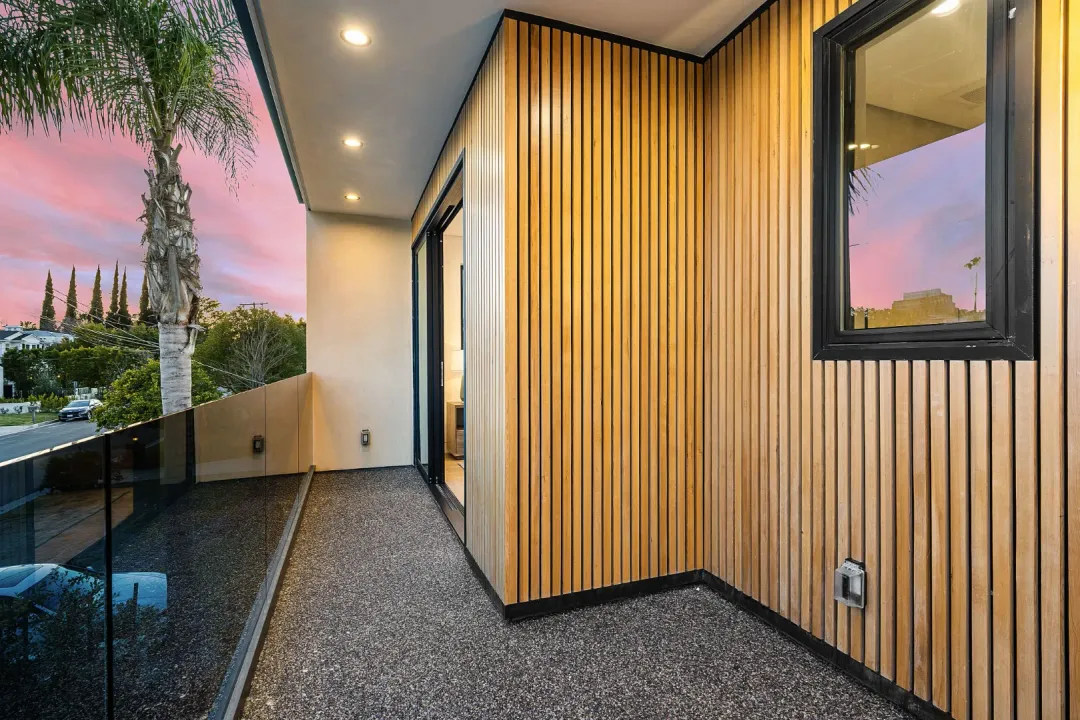
Wood cladding is a popular choice for residential and commercial buildings because of its natural appearance and versatility.
It can be installed horizontally, vertically, diagonally, or in decorative patterns. Common options include cedar, redwood, pine, and suitable hardwood species.
Popular wood cladding styles include:
Horizontal lap siding.
Board-and-batten cladding.
Shiplap.
Tongue-and-groove boards.
Shingles and shakes.
Advantages of wood cladding:
Natural grain and texture.
Available in different species and colors.
Can be painted, stained, or oiled with suitable products.
Works with traditional and contemporary designs.
Individual boards can often be repaired or replaced.
Disadvantages of wood cladding:
Requires regular inspection and maintenance.
Can absorb moisture if not properly protected.
May be vulnerable to insects and decay.
Exposure to sunlight can change its color.
Installation details are important for long-term performance.
The durability of wood cladding depends on the species, grade, moisture exposure, finish, and installation. Naturally durable hardwoods and suitable softwoods can be good options when selected for the intended application.
2. Composite Cladding
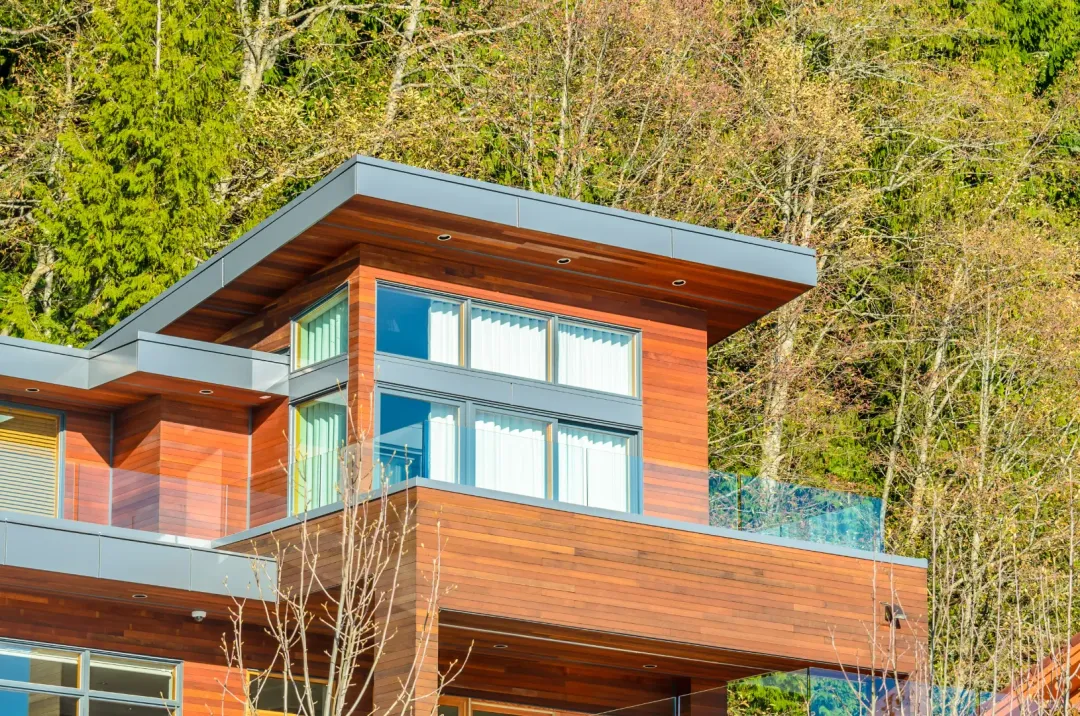
Composite cladding is manufactured using a combination of materials. Depending on the product, it may contain wood fibers, recycled plastics, polymers, resins, or other components.
It is designed to provide a consistent exterior finish and may imitate the appearance of natural wood.
Composite cladding is available in different colors, profiles, and textures. Some products are designed for horizontal siding, while others are suitable for vertical panels or decorative exterior features.
Advantages of composite cladding:
Available in a variety of finishes.
Some products resist moisture and insect damage.
Can provide a wood-like appearance.
May require less routine maintenance than natural wood.
Manufactured profiles can create a consistent exterior design.
Disadvantages of composite cladding:
Product costs vary considerably.
Performance depends on the material formulation.
Some systems require specialized installation.
Certain products can expand and contract with temperature changes.
Damaged panels may need product-specific replacement parts.
Before purchasing composite cladding, check the manufacturer's technical specifications, warranty, fire performance, installation instructions, and maintenance requirements.
It is also important to distinguish composite cladding from composite decking. Although both may contain wood fibers and polymers, they are designed for different applications. Composite decking is intended for walking surfaces, while composite cladding is manufactured for exterior walls.
3. Vinyl Cladding
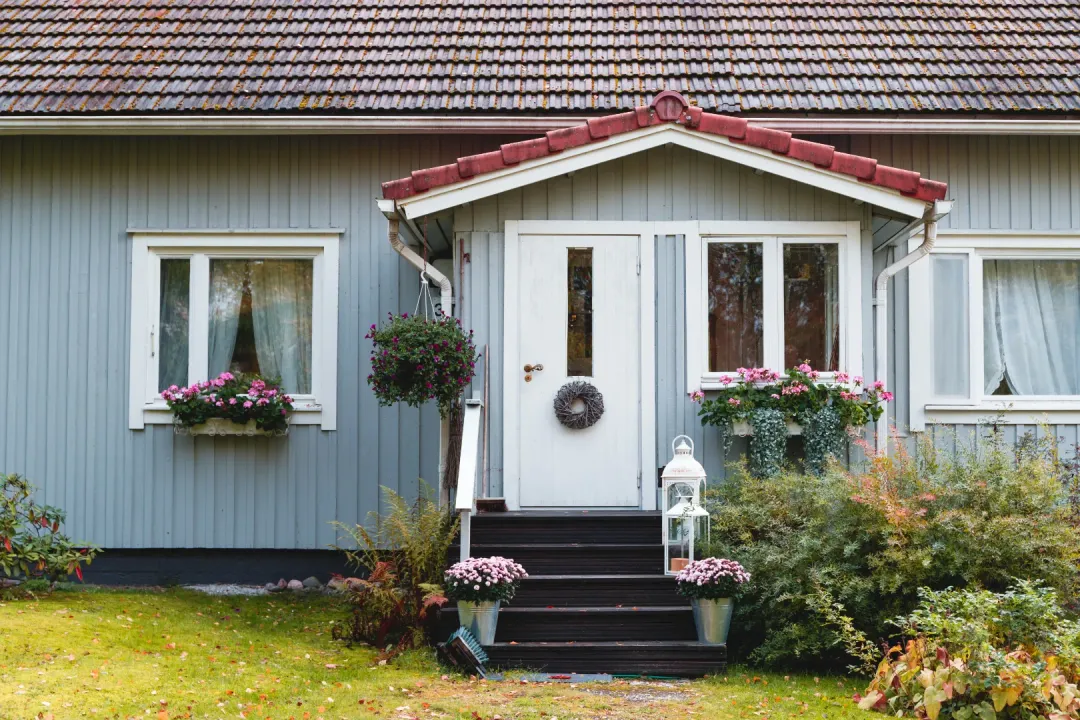
Vinyl cladding, also called vinyl siding, is made from polyvinyl chloride (PVC).
It is widely used in residential construction because it is relatively affordable and available in different colors and profiles.
Common styles include horizontal lap siding, vertical panels, and products designed to resemble wood shingles.
Advantages:
Generally affordable.
Lightweight and relatively easy to install.
Available in many colors and styles.
Does not rot like natural wood.
Requires relatively little routine maintenance.
Disadvantages:
Can crack under certain impact conditions.
May expand and contract with temperature changes.
Color can fade with prolonged exposure.
Some products may be less suitable for areas with severe heat or impact exposure.
Vinyl cladding can be a practical choice for homeowners looking for a budget-friendly exterior covering.
4. Fiber Cement Cladding
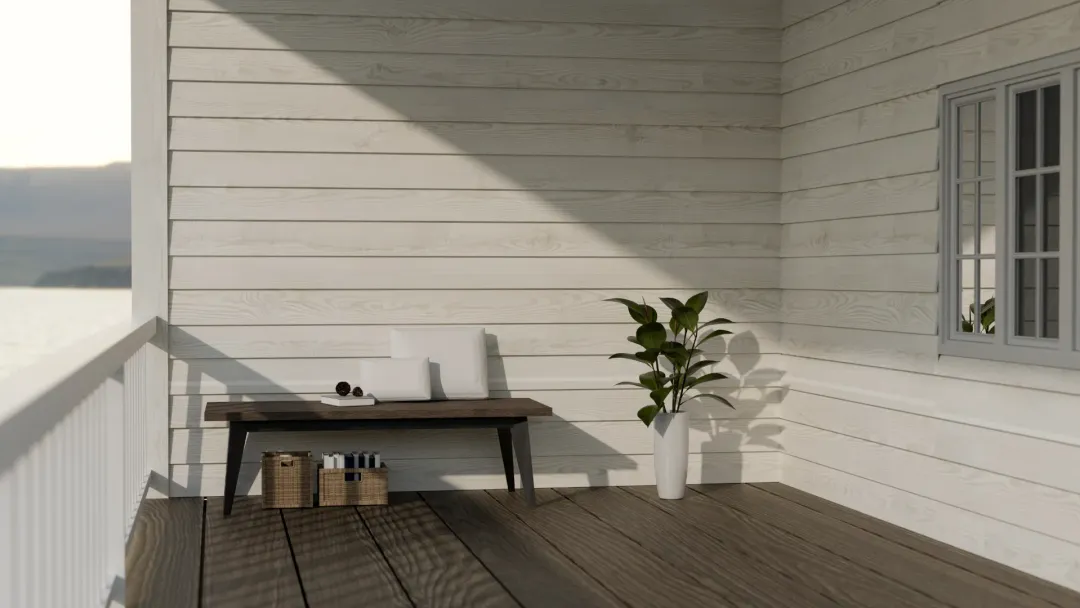
Fiber cement cladding is manufactured using cement, sand, cellulose fibers, and water.
It is available in boards, panels, and shingle-style products. Some designs imitate painted wood, making it suitable for traditional and modern buildings.
Advantages:
Resists rot and insect damage.
Offers good fire resistance.
Available in multiple textures and styles.
Provides a durable exterior surface when installed correctly.
Disadvantages:
Heavier than vinyl and some other materials.
Requires appropriate tools and installation methods.
Cutting can create hazardous dust, so proper safety controls are essential.
Painted finishes may require maintenance.
Fiber cement is often selected for projects where durability and fire performance are important considerations.
5. Metal Cladding
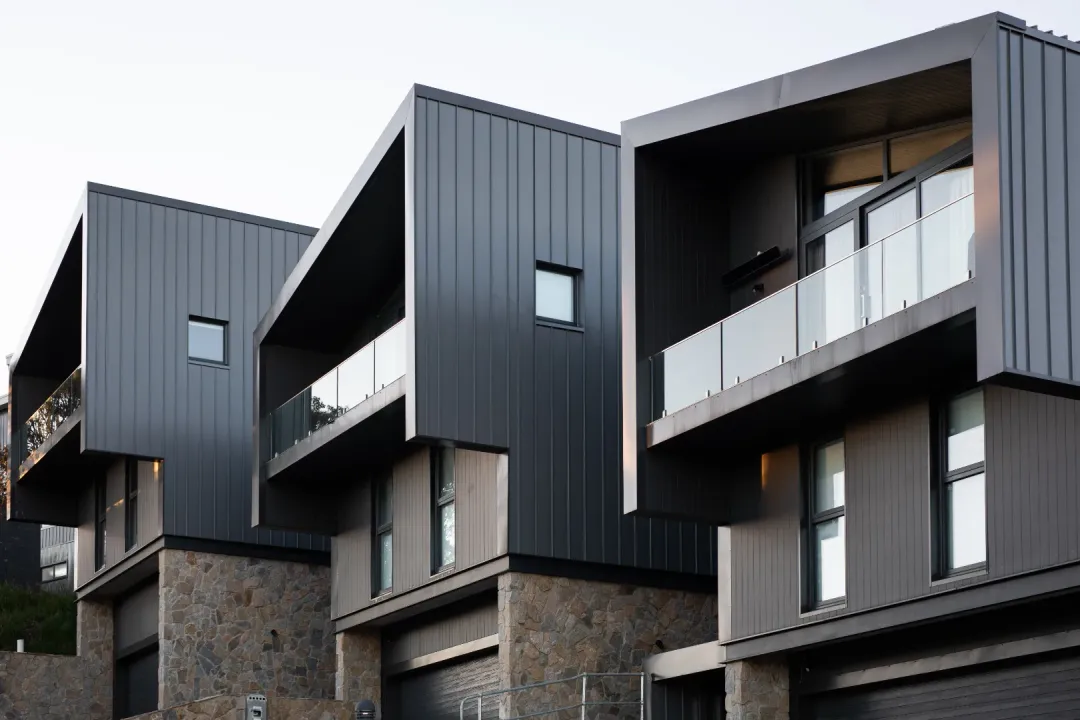
Metal cladding is commonly used on commercial buildings, industrial structures, and modern homes.
Materials include aluminum, steel, zinc, and copper. These metals have different appearances, performance characteristics, and maintenance requirements.
Metal cladding can be installed as panels, sheets, standing-seam systems, or smaller architectural components.
Advantages:
Modern and clean appearance.
Available in different finishes.
Certain products offer strong durability.
Lightweight aluminum options are available.
Some metal systems can be recycled.
Disadvantages:
Some metals can dent.
Steel may corrode if its protective coating is damaged.
Thermal expansion must be considered.
Specialized installation may increase project costs.
The right metal depends on the environment. Coastal properties, for example, require careful material and coating selection because salt exposure can accelerate corrosion in unsuitable products.
6. Brick Cladding
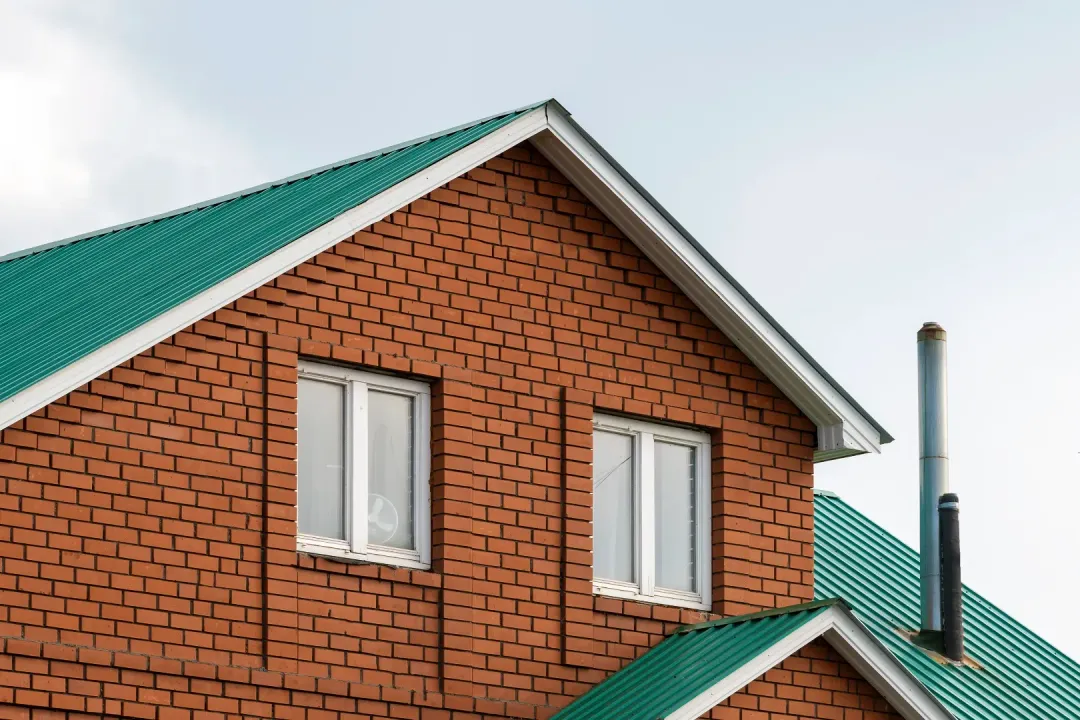
Brick cladding provides the appearance of traditional brickwork without necessarily using a full structural brick wall.
Thin brick veneers and other brick cladding systems are installed over suitable supporting wall assemblies.
Advantages:
Traditional appearance.
Durable surface when correctly installed.
Good resistance to many forms of weather exposure.
Available in different colors and textures.
Disadvantages:
Can be heavier than some alternatives.
Requires proper support and installation.
Mortar joints may need maintenance.
Installation can be labor-intensive.
Brick cladding should be installed with appropriate flashing and drainage details to prevent moisture from becoming trapped behind the veneer.
7. Stone Cladding
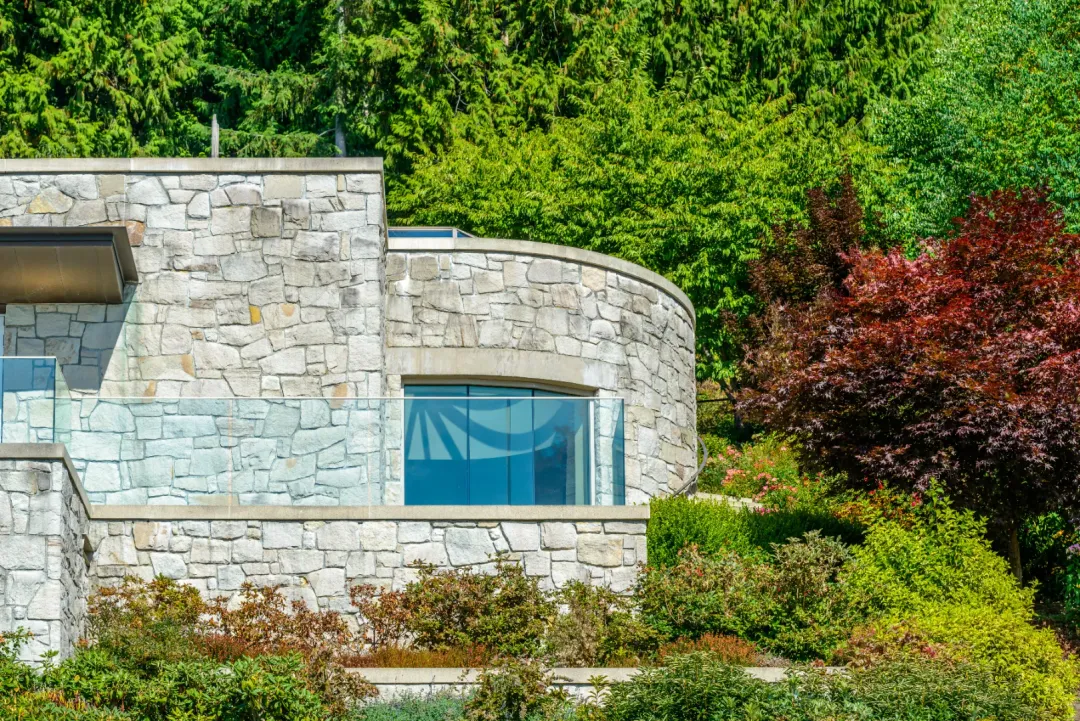
Stone cladding uses natural stone or manufactured stone products to create a textured exterior.
Common options include limestone, granite, slate, sandstone, and manufactured stone veneer.
It is often used on entire exterior walls, entrance features, columns, and decorative sections.
Advantages:
Distinctive natural appearance.
Available in several colors and textures.
Can provide a durable exterior finish.
Works with traditional and contemporary architecture.
Disadvantages:
Natural stone can be expensive.
Weight and support requirements vary.
Installation may require specialist contractors.
Some stone types need sealing or specific maintenance.
The supporting wall must be designed for the weight of the selected cladding system.
What Is the Difference Between Exterior Cladding and Siding?
The terms exterior cladding and siding are often used interchangeably, especially in residential construction. However, cladding is a broader term.
Cladding refers to an exterior covering system made from materials such as wood, metal, stone, brick, fiber cement, or composite products.
Siding usually refers to exterior wall coverings installed as boards, panels, or overlapping horizontal or vertical sections.
For example, vinyl siding and wood siding are types of exterior cladding. However, stone veneer and some architectural metal panel systems are also cladding, even though they are not typically called siding.
In simple terms, siding is one category of exterior cladding.
What Are the Benefits of Exterior Cladding?
Choosing suitable exterior cladding can provide several benefits for a building.
Better Weather Protection
Cladding helps protect the underlying wall from direct exposure to rain, wind, and sunlight. When combined with suitable flashing and water-resistive layers, it contributes to a more effective exterior wall assembly.
More Design Options
Different materials allow architects and homeowners to create a wide range of exterior styles.
Wood can create a natural appearance, while metal panels offer a modern finish. Composite products provide additional color and texture options.
Potentially Lower Maintenance
Some materials require less frequent maintenance than others. Choosing a suitable product can reduce the amount of time and money spent on exterior upkeep.
However, low maintenance does not mean maintenance-free. Regular inspections are still important.
Improved Thermal Performance
Cladding can form part of an exterior wall system that includes continuous insulation and ventilation. This can help improve thermal performance when the full assembly is properly designed.
Increased Property Appeal
A well-maintained exterior can improve curb appeal and make a property more attractive to visitors and potential buyers.
The effect on resale value depends on the local market, quality of materials, installation, and overall property condition.
How Do You Choose the Right Exterior Cladding?
Selecting exterior cladding involves more than choosing a color or style. The material must be suitable for the building's environment and construction.
Consider these factors before making a decision.
Climate: Consider rainfall, humidity, sunlight, temperature changes, wind, and coastal exposure.
Durability: Check how the material performs under expected environmental conditions.
Maintenance: Understand whether the product requires painting, staining, sealing, cleaning, or periodic replacement.
Budget: Compare the complete installed cost rather than looking only at the material price.
Appearance: Select a finish that complements the building's architecture.
Installation: Confirm that qualified contractors are familiar with the product and its installation system.
Fire performance: Review the product's tested fire classification and the requirements of local building codes.
Warranty: Check what the manufacturer covers and whether specific installation or maintenance conditions apply.
How Is Exterior Cladding Installed?
The installation process depends on the material and cladding system. However, most projects follow a similar sequence.
Step 1: Inspect the Existing Wall
The contractor checks the wall for damage, moisture problems, structural concerns, and uneven surfaces.
Any existing water damage should be addressed before new cladding is installed.
Step 2: Prepare the Wall
Old exterior materials may need to be removed. The supporting surface is then prepared according to the selected system.
Step 3: Install the Water-Resistive Barrier
A suitable water-resistive barrier may be installed behind the cladding. This layer helps protect the underlying wall from water that passes through or behind the outer material.
Step 4: Install Flashing and Drainage Details
Flashing is important around windows, doors, roof intersections, and other openings.
Depending on the system, a drainage cavity or ventilation space may also be required.
Step 5: Install the Cladding
The selected material is installed according to the manufacturer's specifications. Correct fasteners, spacing, expansion allowances, and support details are important.
Step 6: Inspect and Finish
The contractor checks joints, corners, edges, openings, and other details to confirm that the system has been installed correctly.
Proper installation is essential because even high-quality cladding can perform poorly when water-management details are overlooked.
How Much Does Exterior Cladding Cost?
The cost of exterior cladding depends on the material, wall area, labor, building design, and installation requirements.
Vinyl is generally one of the more affordable options, while natural stone, premium metal systems, and certain hardwood or composite products can involve higher material and installation costs.
Other expenses may include:
Removal and disposal of existing cladding.
Wall repairs.
Water-resistive barriers.
Flashing and trim.
Insulation upgrades.
Scaffolding and access equipment.
Permits and inspections.
Because products and installation systems vary significantly, it is best to obtain detailed estimates from contractors. Compare material specifications and the full scope of work before making a decision.
How Do You Maintain Exterior Cladding?
Maintenance requirements depend on the material, climate, and manufacturer's instructions.
Some general practices can help keep exterior cladding in good condition.
Inspect the exterior regularly for cracks, loose panels, and damaged joints.
Clean surfaces using methods approved for the material.
Keep gutters and downspouts clear.
Check flashing around windows and doors.
Remove vegetation that traps moisture against exterior walls.
Refinish wood cladding when required.
Repair damaged coatings on metal products.
Replace cracked or damaged sections before water enters the wall assembly.
For wood cladding, maintenance may include painting, staining, or applying a suitable protective finish. The correct schedule depends on the wood species, finish, and exposure.
For composite, vinyl, and fiber cement products, follow the manufacturer's cleaning and maintenance guidance.
Conclusion
Exterior cladding is an important component of a building's exterior design and weather protection system. It helps shield the underlying walls from environmental exposure while providing the finished appearance of a property.
There are several options available, including natural wood, composite, vinyl, fiber cement, metal, brick, and stone. Each material has different benefits, installation requirements, costs, and maintenance needs.
The right choice depends on the building's location, architectural style, budget, and long-term performance expectations. By comparing materials and working with experienced installers, homeowners and builders can select an exterior cladding system that provides suitable protection and appearance for years to come.