
How Much Does It Cost to Replace Siding?

Key Takeaways
- Siding replacement typically costs $5,560 to $17,725 for a complete project, depending on the home and material.
- Vinyl, engineered wood, aluminum, fiber cement, and natural wood have different price ranges, durability, and maintenance needs.
- Labor, old siding removal, house repairs, trim, flashing, and house wrap can significantly affect the final cost.
- Repairing damaged siding may be more affordable than replacing the entire exterior when the damage is limited.
- Getting multiple detailed quotes can help you compare materials, installation costs, warranties, and the total project price.
Table Of Contents
- Average Cost to Replace Siding
- Siding Cost Per Square Foot
- Cost to Replace Vinyl Siding
- Cost to Replace Wood Siding
- Cost to Replace Fiber Cement Siding
- Cost to Replace Aluminum Siding
- What Affects the Cost of Siding Replacement?
- Size of the Home
- Type of Siding
- Labor
- Removing Old Siding
- Repairs Behind the Siding
- House Design
- Location
- Should You Repair or Replace Your Siding?
- Additional Costs to Consider
- How to Save Money on Siding Replacement
- Compare Multiple Quotes
- Choose the Material Carefully
- Repair When Appropriate
- Plan Ahead
- Ask What Is Included
- How Long Does Siding Replacement Take?
- Is Replacing Siding Worth the Cost?
- Conclusion
Replacing siding can give your home a completely different look while also helping protect the exterior from moisture, wind, pests, and weather. But before starting the project, one of the biggest questions homeowners have is, how much does it cost to replace siding?
In 2026, homeowners typically spend around $5,560 to $17,725 for a complete siding replacement, with an average cost of about $11,590. The final price can be much lower or higher depending on the size of the home, siding material, labor rates, removal of old siding, and repairs needed underneath.
Siding materials can range from roughly $1 to $30 or more per square foot, depending on the material. Vinyl, wood, aluminum, fiber cement, brick, stone, and engineered wood all have different price ranges and maintenance requirements.
Average Cost to Replace Siding
The cost of replacing siding is usually calculated based on the amount of exterior wall area that needs to be covered rather than the home's interior living area.
For a rough starting point, a siding replacement project may cost:
- Small home: Around $5,000 to $10,000
- Medium home: Around $8,000 to $18,000
- Large home: Around $15,000 to $30,000 or more
- Premium materials: Can exceed $30,000
These are general planning ranges. A contractor's quote may be different based on your location, siding choice, house design, and the condition of the exterior.
For example, a simple one-story home with vinyl siding may cost considerably less than a large two-story home with fiber cement, wood, brick, or stone siding.
Siding Cost Per Square Foot
The material you choose has a major effect on the total cost.
Current cost data shows that common siding materials can fall into these approximate ranges:
| Siding Material | Approximate Cost Per Sq. Ft. |
|---|---|
| Wood | $1–$15 |
| Engineered Wood | $1–$6 |
| Aluminum | $3–$6 |
| Vinyl | $3–$12 |
| Fiber Cement | $5–$14 |
| Stucco | $7–$9 |
| Brick Veneer | $3–$10 |
| Brick | $10–$20 |
| Stone Veneer | $5–$11 |
| Stone | $7–$30 |
These figures can include different combinations of materials and installation depending on the source and project. Always ask contractors whether their price includes labor, removal, trim, house wrap, flashing, and cleanup.
Cost to Replace Vinyl Siding
Vinyl siding is one of the most common choices for homeowners because it is relatively affordable and requires little maintenance.
In 2026, replacing vinyl siding typically costs about $6,370 to $18,377, with an average of approximately $12,308, according to HomeAdvisor.
The exact cost depends on the profile and quality of vinyl siding, the size of the project, and whether the existing siding needs to be removed.
Basic vinyl can be more affordable, while insulated vinyl and higher-end styles can increase the material cost.
Cost to Replace Wood Siding
Wood siding is popular because of its natural appearance and the large selection of wood species and styles available.
Wood siding replacement costs about $7,000 to $23,000, with an average of around $12,500 according to current HomeAdvisor data.
The type of wood makes a major difference. Cedar, pine, redwood, and other species have different prices and performance characteristics.
Wood siding also requires more maintenance than some manufactured siding products. Depending on the species and finish, homeowners may need to paint, stain, seal, or refinish the siding periodically.
Cost to Replace Fiber Cement Siding
Fiber cement siding is another popular option. It is designed to provide the appearance of traditional wood siding while offering good resistance to moisture, insects, and weather.
Current cost estimates put fiber cement at roughly $5 to $14 per square foot, depending on the product and installation.
The total cost can increase if the home has multiple stories, difficult angles, or detailed architectural features.
Fiber cement can also require more labor to install than some lightweight siding materials, so it is important to consider both material and installation costs.
Cost to Replace Aluminum Siding
Aluminum siding is another option for homeowners looking for a relatively affordable exterior material.
Current estimates put aluminum siding at approximately $3 to $6 per square foot.
Aluminum is lightweight and resistant to rust, although it can dent and may eventually need repainting.
The final cost will depend on the thickness and finish of the material, the size of the home, and labor rates in your area.
What Affects the Cost of Siding Replacement?
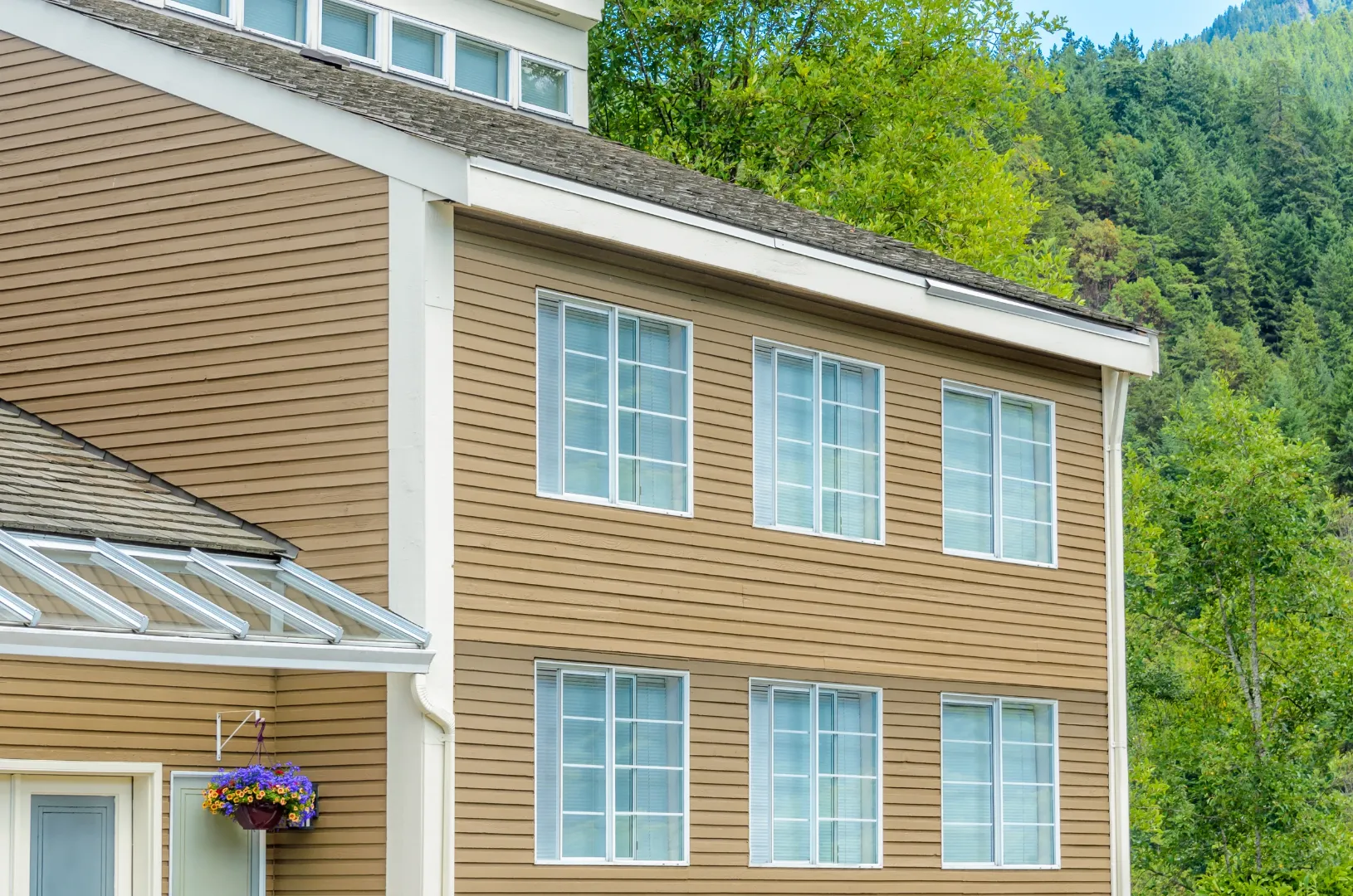
Several factors can change your final siding replacement price.
Size of the Home
The larger the exterior wall area, the more siding materials and labor you will need.
A 1,000-square-foot house generally requires much less siding than a 3,000-square-foot house. However, interior square footage should not be used as an exact siding measurement because garages, rooflines, windows, doors, porches, and other features affect the actual siding area.
Type of Siding
Material is one of the biggest cost factors.
Vinyl and engineered wood can provide more budget-friendly options, while premium wood, fiber cement, brick, and stone can increase the overall project price.
Labor
Labor costs vary significantly by location and project difficulty.
Current estimates put siding labor at roughly $1 to $4 per square foot, although the actual amount can vary depending on the material and installation requirements.
A simple one-story home is usually easier to work on than a multi-story home with complicated rooflines and architectural details.
Removing Old Siding
If your existing siding needs to be removed, you should include demolition and disposal in your budget.
Removing old siding may also reveal problems underneath, such as damaged sheathing, moisture intrusion, rot, or pest damage.
Current estimates commonly put old siding removal and related costs around $1,000 to $3,000, although the actual amount depends on the project.
Repairs Behind the Siding
This is an important cost that homeowners sometimes overlook.
Once the old siding comes off, contractors may discover damaged wood, moisture problems, mold, or other issues.
Small repairs may not add much to the project, but extensive damage can significantly increase the final cost.
House Design
A simple rectangular house is generally easier to side than a home with multiple levels, corners, dormers, bay windows, extensions, and other complicated features.
More cuts and installation details mean more labor.
Location
Where you live also affects siding costs.
Labor rates, material availability, local building requirements, transportation, and demand can all influence pricing. For example, current estimates show significant differences between major U.S. cities.
Should You Repair or Replace Your Siding?
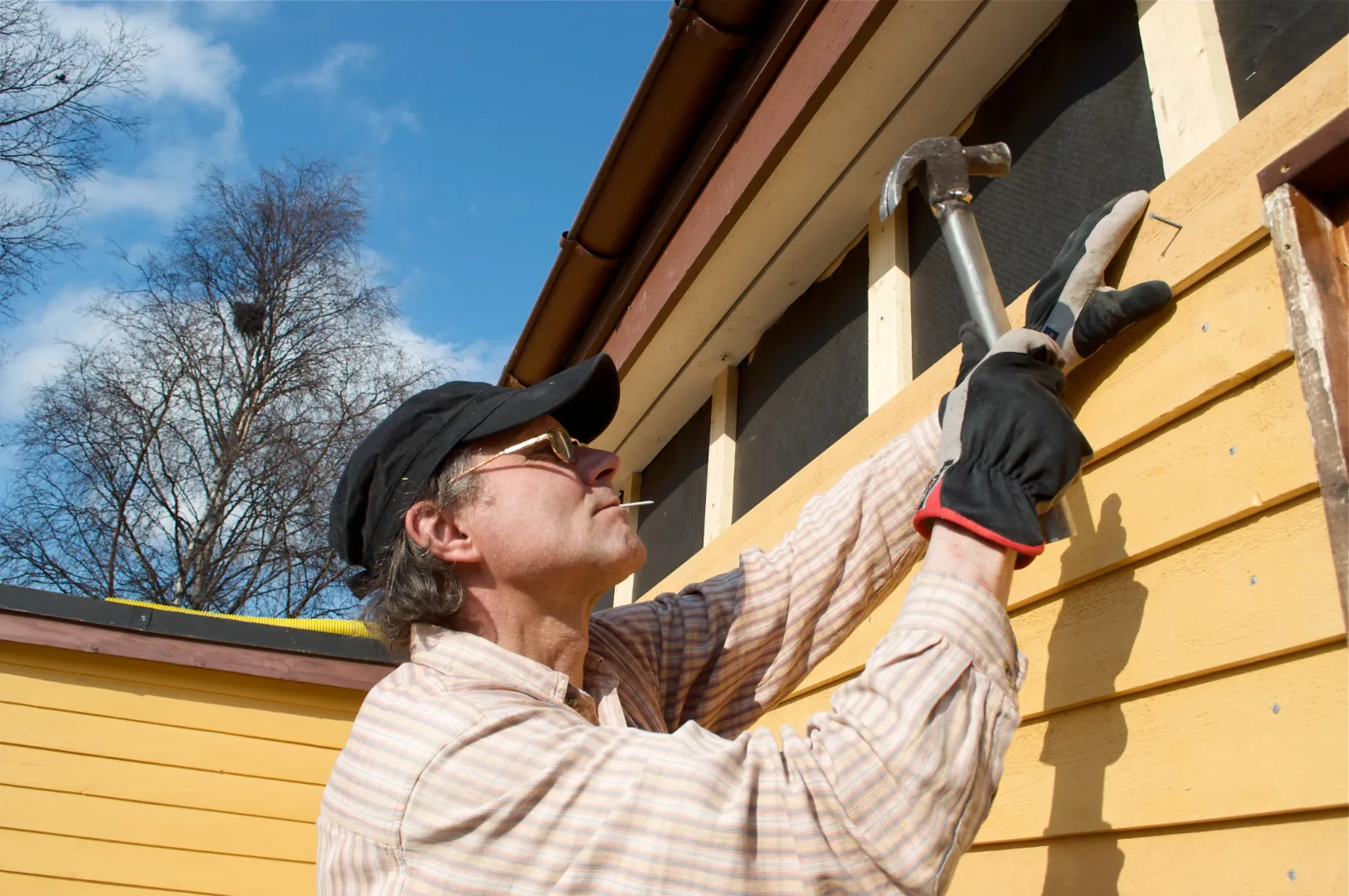
Not every siding problem requires a complete replacement.
If only a small section is damaged, repairing or replacing individual boards or panels may be more practical.
Replacement may make more sense when:
- Damage is widespread
- Siding is badly cracked or warped
- Moisture is getting behind the siding
- There is significant rot
- The siding is near the end of its useful life
- Matching replacement panels or boards is difficult
- Repair costs are becoming too high
For example, older siding may have faded significantly, making a new replacement section look noticeably different from the rest of the house.
If damage is limited to one area, partial replacement can sometimes save money. Current estimates for partial siding replacement range from about $3 to $30 per square foot, depending on the material and project.
Additional Costs to Consider
The siding itself is only part of the project.
You may also need to budget for:
- Old siding removal
- Disposal fees
- House wrap
- Flashing
- Trim
- Soffits and fascia
- Window and door trim
- Exterior wall repairs
- Painting or staining
- Permits
- Scaffolding
- Special architectural details
- Cleanup
Some of these items may already be included in a contractor's quote, so ask for a detailed estimate before signing a contract.
How to Save Money on Siding Replacement
Replacing siding is a major investment, but there are several ways to control costs.
Compare Multiple Quotes
Get estimates from several qualified contractors. Compare the complete scope of work rather than choosing a contractor based only on the lowest price.
Choose the Material Carefully
Consider both the purchase price and long-term maintenance.
A cheaper material may require more maintenance, while a more expensive product may have a longer service life or require less upkeep.
Repair When Appropriate
If the siding is generally in good condition and the damage is limited, a repair may cost significantly less than replacing the entire exterior.
Plan Ahead
Avoid waiting until siding has widespread damage. Water intrusion can lead to more expensive repairs behind the siding.
Ask What Is Included
Before accepting a quote, ask whether it includes removal, disposal, labor, trim, flashing, house wrap, repairs, permits, and cleanup.
A quote that looks cheap at first may become much more expensive if important items are excluded.
How Long Does Siding Replacement Take?
A complete siding replacement commonly takes around one to two weeks, although the timeline depends on the size and complexity of the home, weather, material, removal requirements, and repairs.
A small and simple home may take less time, while a large multi-story home can take longer.
Weather can also affect the schedule. Rain, extreme temperatures, or other difficult conditions may delay exterior work.
Is Replacing Siding Worth the Cost?
Replacing siding can improve the appearance of your home and provide a new protective exterior.
It can also address problems such as cracking, warping, moisture intrusion, and deteriorating materials.
New siding may also contribute to improved curb appeal. The financial return depends on the material, installation quality, local housing market, and other factors. Current estimates from Angi put average siding replacement ROI around 75%, although homeowners should not treat this as a guaranteed return.
The best reason to replace siding is usually a combination of exterior protection, appearance, maintenance needs, and the condition of the existing siding.
Conclusion
For a typical U.S. home, you can expect a complete siding replacement to cost roughly $5,560 to $17,725, with an average of around $11,590 in 2026. However, premium materials, larger homes, complicated designs, high labor costs, and repairs underneath the siding can push the price much higher.
The siding material you choose will have a major impact on your budget. Vinyl and engineered wood can offer more affordable options, while wood, fiber cement, brick, and stone can provide different combinations of appearance, durability, maintenance, and cost.
Before starting the project, get detailed quotes, inspect the condition of the existing siding and exterior walls, and make sure you understand exactly what is included in the installation price. A good siding project is not just about choosing an attractive material. It is about installing the right material correctly so your home's exterior remains protected for years.