
Siding That Looks Like Wood: Materials, Benefits, and Costs
Key Takeaways
- Compare materials, not just prices: Vinyl, engineered wood, composite, and fiber cement can all mimic wood, but they differ in durability, maintenance, and appearance.
- Composite siding is a strong middle-ground option: It can deliver realistic wood textures while offering resistance to moisture, insects, and everyday weather exposure.
- Installation can change the final cost significantly: Removal, wall repairs, trim, flashing, and the complexity of your home's exterior can add substantially to the project price.
- Look beyond the initial investment: Consider maintenance, warranty, expected lifespan, repairability, and how the siding will perform in your local climate before making a decision.
Table Of Contents
- What Is Wood-Look Siding?
- Types of Siding That Look Like Wood
- Vinyl Siding
- Engineered Wood Siding
- Composite Siding
- Fiber Cement Siding
- Metal Siding
- Why Choose Siding That Looks Like Wood?
- A Warm and Traditional Appearance
- Lower Maintenance Than Traditional Wood
- Better Resistance to Moisture and Insects
- More Design Flexibility
- How Much Does Wood-Look Siding Cost?
- What Can Increase the Total Cost?
- Removing Existing Siding
- Repairs Underneath
- Trim and Flashing
- The Shape of Your Home
- Which Wood-Look Siding Is Best?
- How to Make Wood-Look Siding Look More Like Real Wood
- Is Wood-Look Siding Worth It?
- What Should You Ask a Siding Contractor?
- Conclusion
There is something about the look of wood siding that makes a house feel warm and inviting. Natural grain, subtle variations in color, and traditional siding profiles can give an exterior a character that is difficult to achieve with plain, flat materials.
The catch is that real wood siding needs attention. Depending on the type of wood and the climate, homeowners may need to deal with painting, staining, sealing, moisture, insects, and general weathering over the years.
Fortunately, you do not have to choose between the appearance of wood and practical performance. Today, several siding materials are made to look like wood while offering different levels of durability, maintenance, and cost.
Vinyl, engineered wood, composite, fiber cement, and metal siding can all create a wood-inspired appearance. The right choice depends on how much you want to spend, how much maintenance you are willing to handle, and what kind of look you want for your home.
What Is Wood-Look Siding?
Wood-look siding is siding manufactured or finished to resemble natural wood.
Some products use embossed or molded textures to recreate wood grain. Others are manufactured from wood fibers, composite materials, cement-based mixtures, or metal and then finished with colors and textures inspired by natural wood.
The idea is not necessarily to make the siding identical to real wood. Instead, these products aim to provide some of the visual qualities people like about wood while changing the material's performance characteristics.
The result can be particularly useful for homeowners who like the appearance of cedar, painted wood, board-and-batten, shakes, or traditional lap siding but would prefer less maintenance.
Not every wood-look product has the same level of realism, either. Higher-quality siding tends to have more convincing textures and color variation, while inexpensive products may have repetitive patterns that are easier to recognize as manufactured material.
Types of Siding That Look Like Wood
There are several materials to consider when shopping for a wood-like exterior.
Vinyl Siding
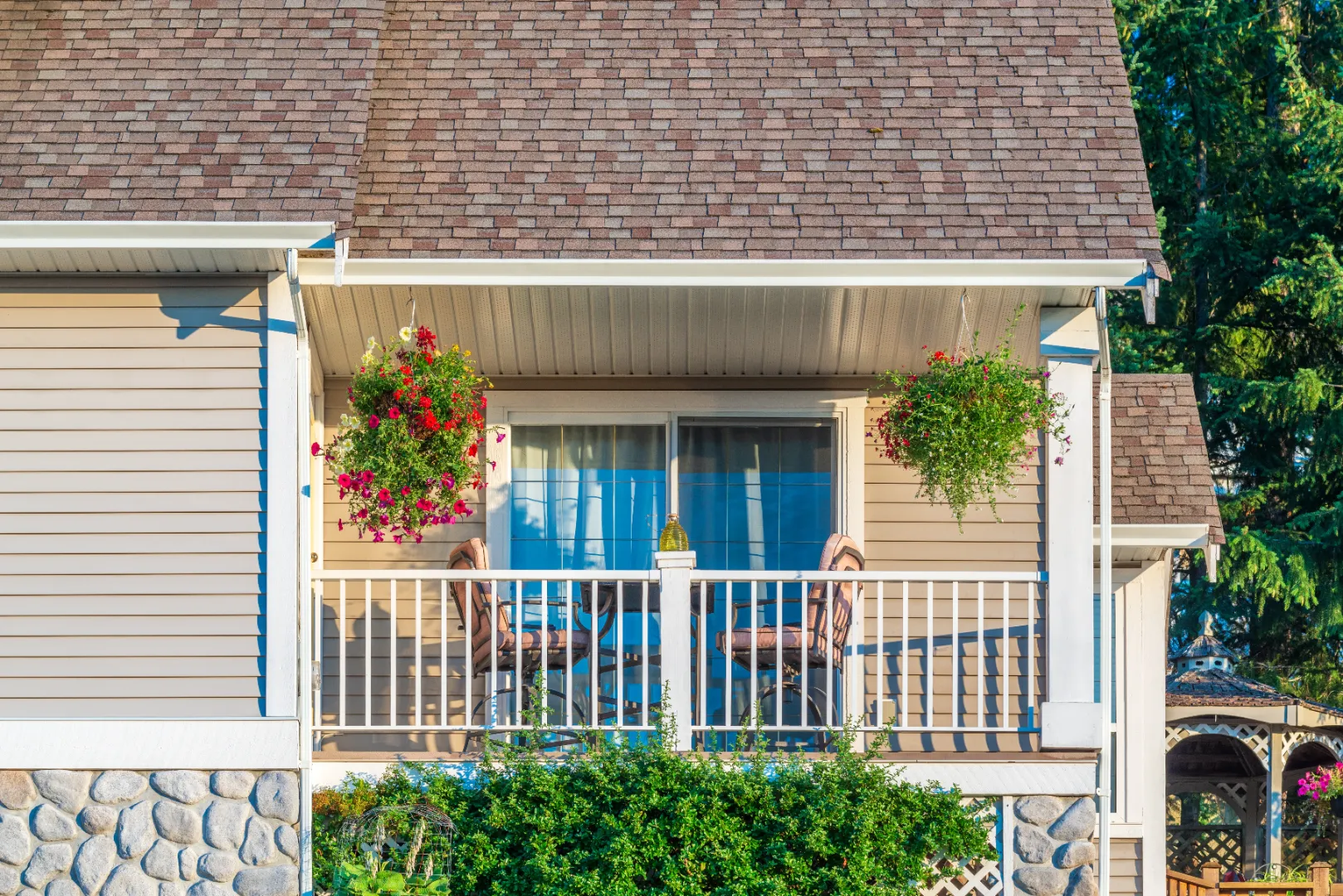
Vinyl is one of the most common siding materials for homeowners looking for an affordable alternative to wood.
Modern vinyl siding is available in a wide range of profiles and colors. Some products are designed with embossed wood-grain patterns, while others imitate cedar shakes or vertical board-and-batten siding.
Its biggest attraction is often the relatively low maintenance. Vinyl does not normally need to be painted or stained, although it should still be cleaned and inspected from time to time.
Vinyl can also be easier and less expensive to install than heavier siding materials.
The downside is appearance. While premium vinyl can look convincing, it generally does not have exactly the same depth and variation as genuine wood.
For homeowners working with a tighter budget, however, vinyl can be an attractive way to get a traditional wood-like exterior without the upkeep associated with actual wood.
Engineered Wood Siding
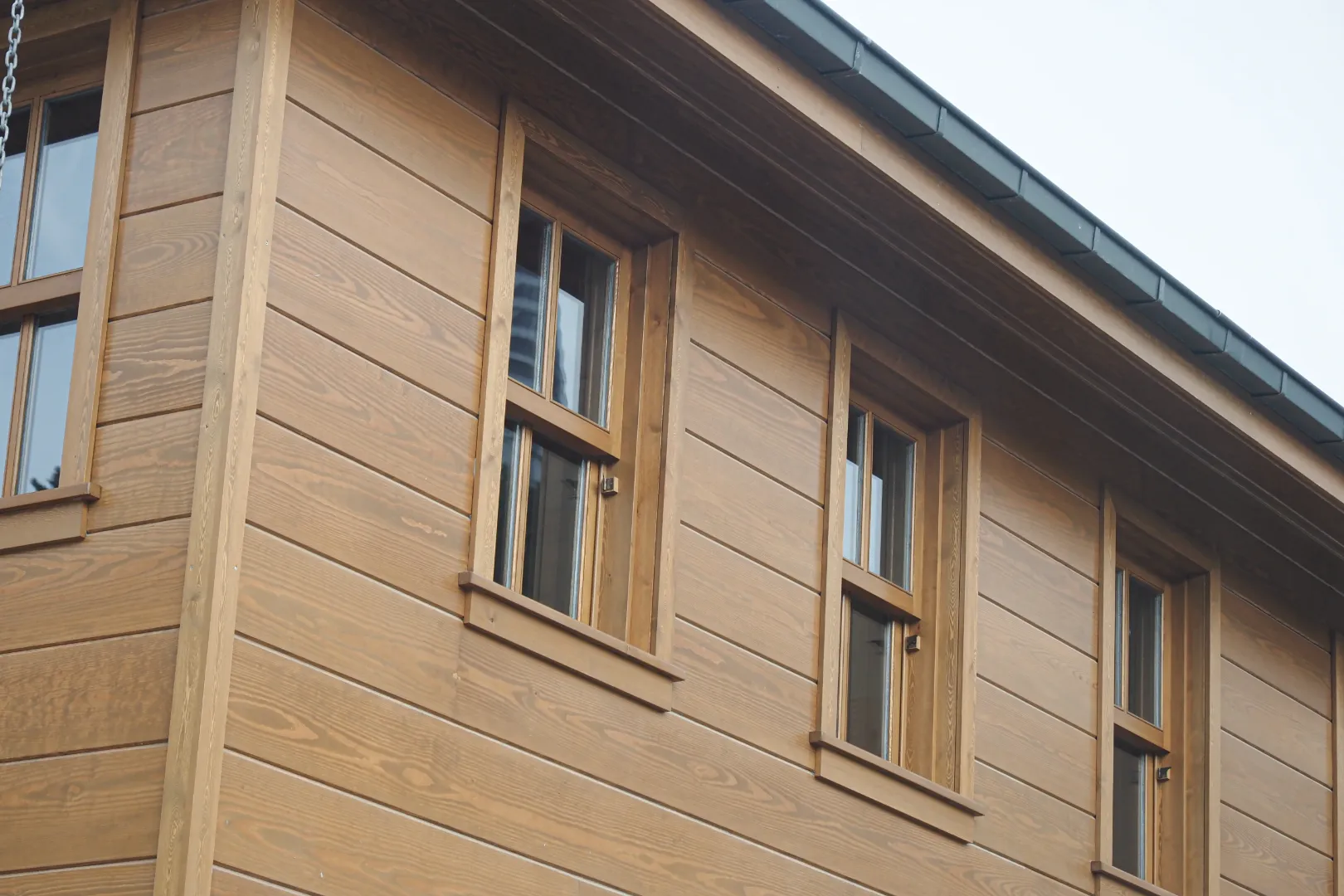
Engineered wood siding takes a different approach.
Instead of using solid pieces of lumber, manufacturers use processed wood fibers and other materials to create siding designed for exterior use. The finished product can have a realistic wood-grain appearance and can be manufactured in a variety of traditional profiles.
Because it is made with wood-based material, engineered wood can provide a particularly natural appearance.
It is also relatively lightweight compared with some other siding options, which can make handling and installation more straightforward.
Engineered wood is not maintenance-free, though. Depending on the product and finish, it may eventually need repainting or other maintenance.
It can be a good middle-ground option for someone who wants a more authentic wood appearance than basic vinyl without necessarily choosing natural wood.
Composite Siding
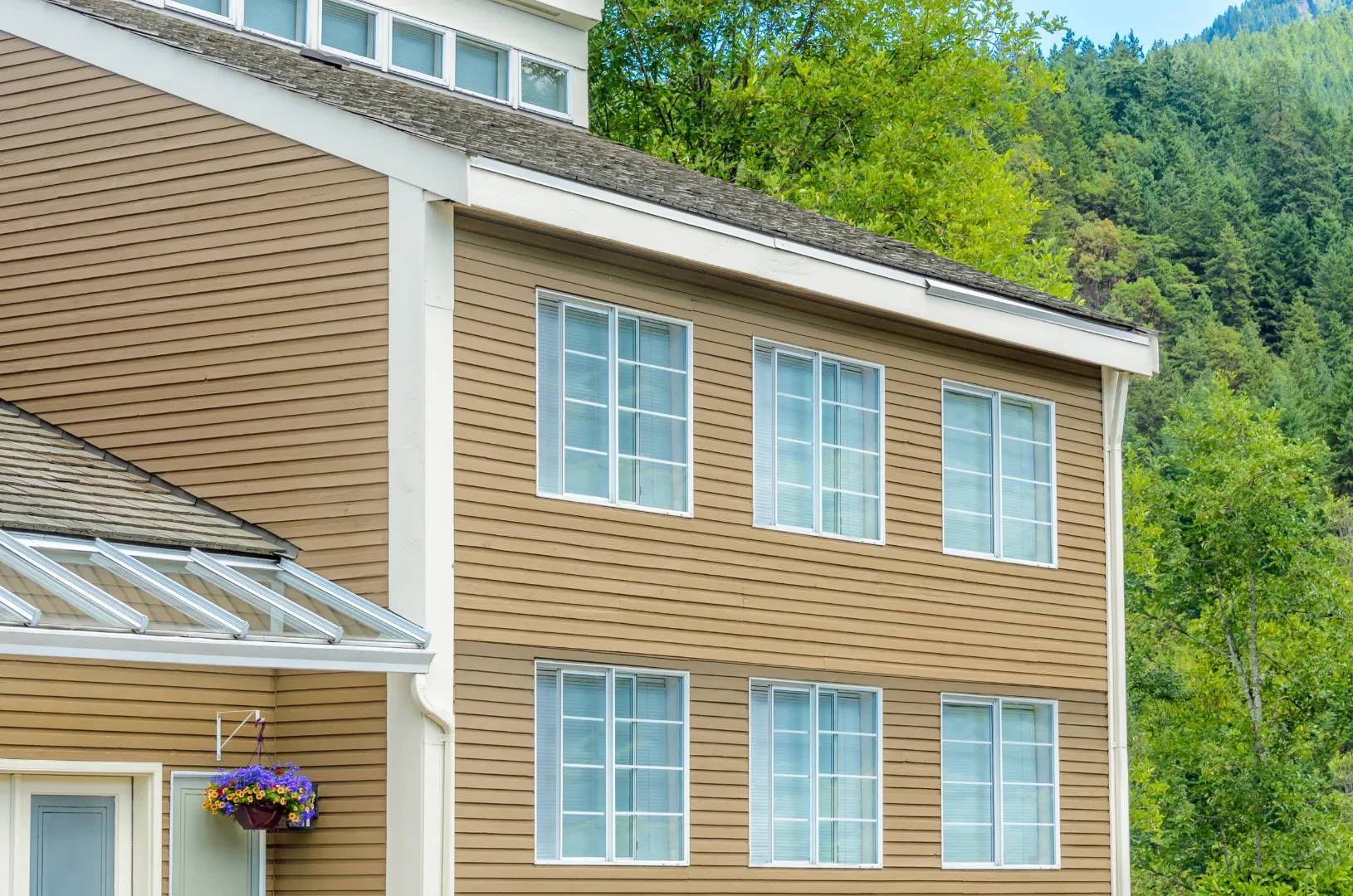
Composite siding is another option worth considering, particularly if durability and a wood-like appearance are both important.
Composite siding is made from a combination of materials rather than a solid piece of lumber. The exact composition depends on the manufacturer and product, but the material can be engineered to resist common exterior problems while maintaining a wood-inspired appearance.
Many composite siding products feature realistic grain patterns, colors, and profiles that imitate natural wood.
One advantage is that composite materials can be designed to handle moisture, insects, and changing weather conditions without some of the concerns associated with untreated natural wood.
Composite siding can also come in several architectural styles, including lap siding, shakes, shingles, and vertical profiles.
Prices vary considerably between products. As a broad planning range, composite siding can cost approximately $10 to $25 or more per square foot installed, depending on the manufacturer, product, labor, location, and complexity of the home.
Because composite siding is a broad category, it is particularly important to compare individual products rather than assuming every composite siding system will perform the same way.
Look at the manufacturer's warranty, maintenance requirements, moisture resistance, impact resistance, installation instructions, and expected service life before making a decision.
Fiber Cement Siding
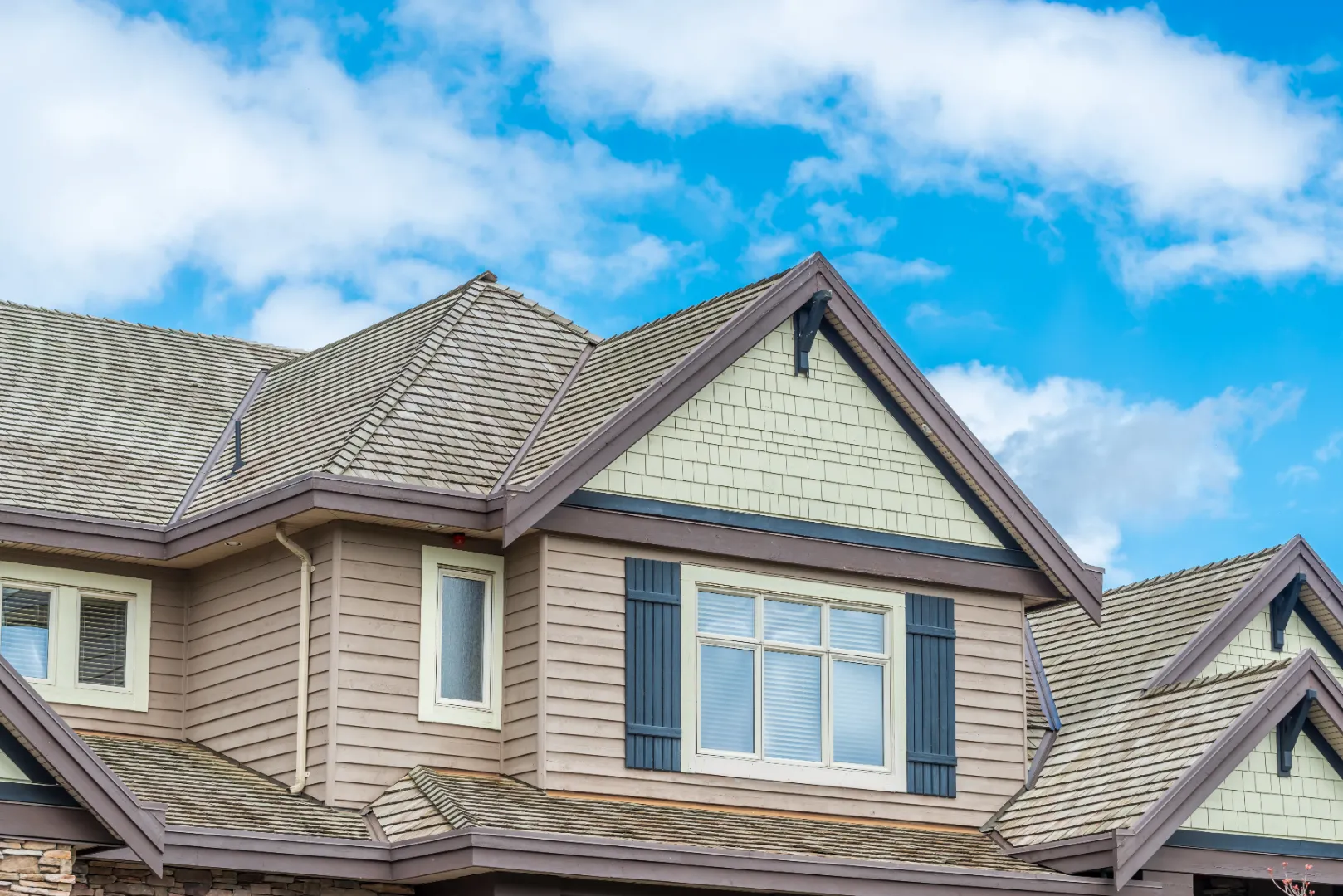
Fiber cement siding is another popular alternative to natural wood.
It is typically manufactured from cement, cellulose fibers, and other materials. The finished siding can be molded or textured to resemble painted wood, cedar, and other traditional exterior materials.
Fiber cement is known for its durability and resistance to several common siding problems. It is also non-combustible, which can be an important consideration in areas where wildfire exposure is a concern.
One thing to keep in mind is its weight. Fiber cement is considerably heavier than vinyl and some engineered or composite products, so installation can require more labor and appropriate handling.
It is also generally more expensive than basic vinyl.
For homeowners who want a substantial, wood-like appearance and are willing to make a larger upfront investment, fiber cement can be a strong option.
Metal Siding
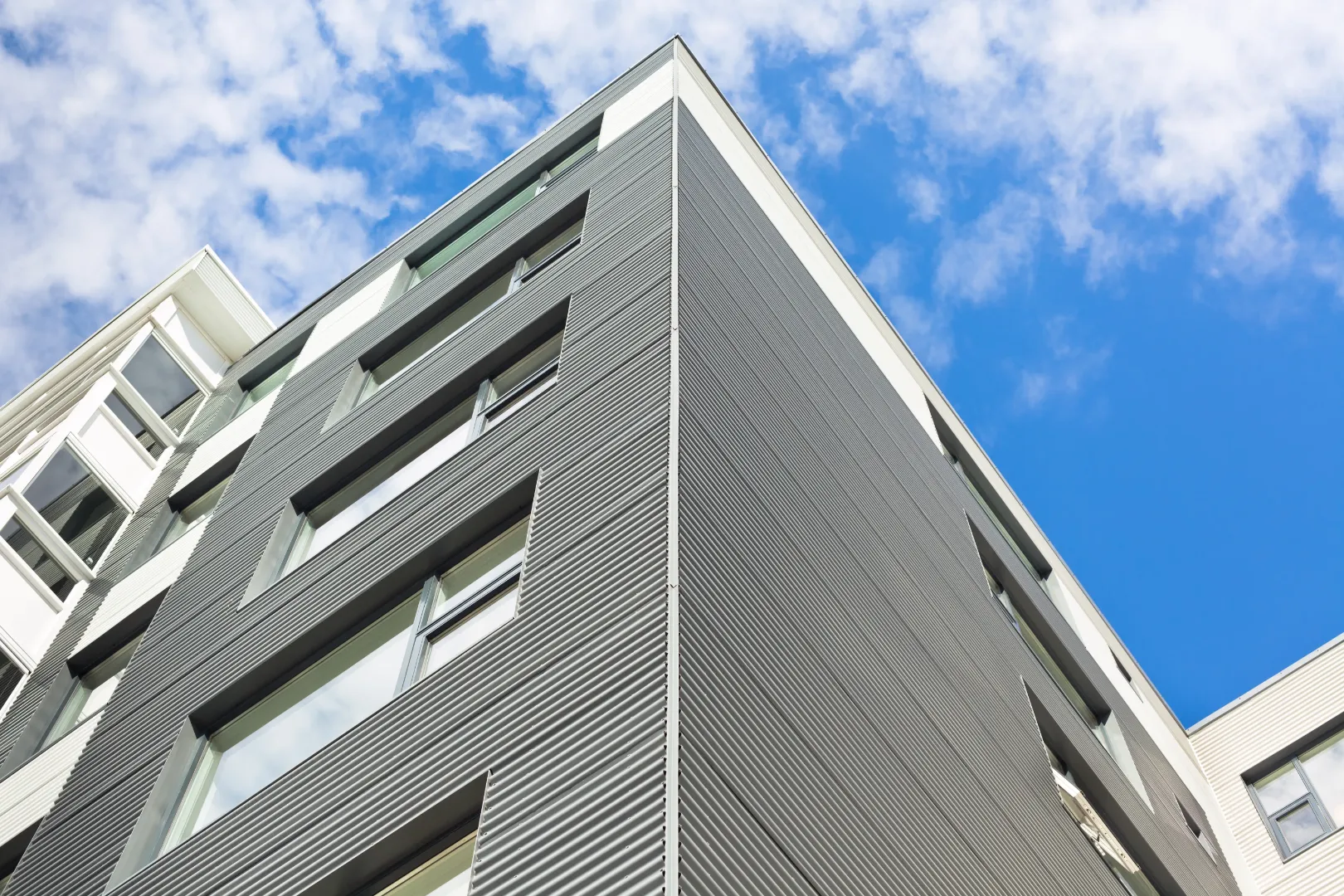
Metal siding may not be the first material that comes to mind when you think about wood-look siding, but it has become another option for certain residential designs.
Steel and aluminum siding can be manufactured with wood-grain finishes and profiles designed to resemble boards or planks.
Metal siding can offer excellent resistance to moisture, insects, and many forms of weather exposure. It can also work particularly well with modern, rustic, or contemporary architectural styles.
The main considerations are cost and appearance. Depending on the finish, metal may not have the same visual softness as actual wood.
Dents and scratches can also become noticeable, particularly in areas exposed to impacts.
Why Choose Siding That Looks Like Wood?
The appeal of wood-look siding goes beyond appearance.
A Warm and Traditional Appearance
Wood siding has remained popular partly because of its visual character.
A wood-look product can bring some of that warmth to an exterior without requiring the homeowner to use solid wood.
Different colors can also create completely different impressions. Natural brown tones can emphasize a rustic appearance, while white, gray, cream, or darker shades can make the same siding look more modern.
Lower Maintenance Than Traditional Wood
One of the biggest reasons homeowners choose alternatives to wood is maintenance.
Natural wood can require regular staining, sealing, painting, and inspection. Moisture can cause problems if water gets into vulnerable areas, while insects can damage certain types of wood.
Many alternatives reduce these concerns.
Vinyl generally requires little more than periodic cleaning. Composite materials can provide resistance to moisture and insects, while engineered wood and fiber cement can offer longer-lasting finishes than traditional painted wood when properly installed and maintained.
The exact maintenance requirements vary by product, so it is worth checking the manufacturer's recommendations.
Better Resistance to Moisture and Insects
Wood is a natural material, which is part of its appeal. It is also part of the reason it can be vulnerable to moisture and insects.
Many wood-look alternatives are specifically designed to reduce these concerns.
Composite and fiber cement siding, for example, are not food sources for common wood-damaging insects. Proper installation and flashing are still important, since water can cause problems behind almost any type of siding if drainage is not handled correctly.
More Design Flexibility
Wood-look siding is available in far more styles than a single horizontal board.
You can choose from:
- Lap siding
- Dutch lap
- Board-and-batten
- Shakes
- Shingles
- Vertical panels
- Wide-plank profiles
Some homes look best with one consistent siding style, while others benefit from combining two or more profiles.
For example, horizontal lap siding can cover the main walls while shakes or board-and-batten siding adds interest around a gable or entryway.
How Much Does Wood-Look Siding Cost?
The cost depends heavily on the material you choose.
As a general starting point, installed prices can fall into these broad ranges:
| Siding Material | Approximate Installed Cost |
|---|---|
| Vinyl | $4–$12 per sq. ft. |
| Engineered wood | $5–$15.50 per sq. ft. |
| Composite | $6–$15+ per sq. ft. |
| Fiber cement | $6–$15 per sq. ft. |
| Metal | $7–$20+ per sq. ft. |
These numbers should be treated as planning estimates rather than fixed prices. Labor rates, geographic location, product quality, house design, removal requirements, and the condition of the existing exterior can all change the final quote.
Also remember that the square footage of your house is not necessarily the amount of siding you need.
A contractor calculates the actual exterior wall area, then accounts for windows, doors, gables, waste, corners, and other details.
What Can Increase the Total Cost?
The siding panels are only one part of a replacement project.
Removing Existing Siding
If old siding needs to be removed, you will generally have additional labor and disposal costs.
Older homes can sometimes have several layers of existing materials, which can make the removal process more complicated.
Repairs Underneath
Removing siding can reveal problems that were not visible from the outside.
Rotten sheathing, damaged framing, moisture intrusion, or deteriorated flashing may need to be repaired before new siding is installed.
These repairs can increase the final cost considerably, which is why it is useful to ask contractors whether their estimate includes any allowance for unexpected repairs.
Trim and Flashing
A siding project involves more than covering the walls.
Window and door trim, corner boards, soffits, fascia, flashing, housewrap, and other components can all affect the final price.
A very low siding quote may not tell the whole story if important finishing materials are excluded.
The Shape of Your Home
A simple house with large, uninterrupted walls is usually easier to side than a home with multiple stories, dormers, gables, bay windows, and complicated architectural details.
More corners and difficult areas generally mean more cutting and installation time.
Which Wood-Look Siding Is Best?
There is no single material that is best for every house.
Vinyl makes sense when keeping costs and maintenance relatively low are major priorities.
Engineered wood can be appealing if you want a convincing wood appearance and a lighter alternative to some heavier siding materials.
Composite siding is worth considering when you want a wood-inspired appearance combined with strong resistance to common exterior conditions.
Fiber cement can be a good choice when durability, a substantial appearance, and non-combustibility are important.
Metal siding can work well when you want a distinctive wood-grain finish with the performance characteristics of metal.
The best option depends on your budget, climate, home's design, maintenance expectations, and personal preference.
How to Make Wood-Look Siding Look More Like Real Wood
The siding itself is only part of the visual equation.
Start by choosing a product with a convincing grain pattern. If possible, look at a full-size sample rather than making your decision from a small photograph.
Color matters, too.
Natural-looking shades tend to emphasize the appearance of wood, while painted colors can recreate the look of traditional painted siding.
The installation also makes a major difference.
Poorly aligned boards, inconsistent spacing, or inexpensive-looking trim can make even a high-quality siding product look artificial.
Consider the details around windows, doors, corners, and rooflines. Good trim work can make the entire exterior feel more intentional.
Mixing siding profiles can also help. A combination of lap siding and board-and-batten or shakes can create depth and make the exterior more visually interesting.
Is Wood-Look Siding Worth It?
For many homeowners, it can be.
The biggest advantage is the balance between appearance and practicality. You can create an exterior inspired by natural wood while choosing a material that may require less maintenance or offer better resistance to particular environmental conditions.
But there are compromises.
The least expensive options may not look as realistic as premium products. Some materials require repainting over time. Others can be more expensive to install or repair.
That is why comparing only the initial price can be misleading.
Consider the expected maintenance, installation requirements, warranty, lifespan, repairability, and appearance alongside the upfront cost.
A siding material that costs more initially may make sense if it better matches your home's needs and your expectations for long-term maintenance.
What Should You Ask a Siding Contractor?
Before signing a contract, ask exactly what is included in the estimate.
Some useful questions include:
- Does the price include removal of the existing siding?
- Is disposal included?
- Will damaged sheathing or framing be repaired?
- Is housewrap included?
- Does the estimate include flashing?
- What type of trim will be installed?
- Is painting or finishing included?
- What does the manufacturer's warranty cover?
- What labor warranty does the contractor provide?
- How will unexpected repairs be priced?
Getting these details in writing can help prevent unpleasant surprises once the project begins.
It is also smart to compare more than one quote. Look at the scope of work, not just the final number.
A contractor offering a lower price may simply be including fewer materials or services.
Conclusion
For homeowners focused on affordability, vinyl can be a sensible starting point. Engineered wood can offer a more natural look, while composite siding provides another option for those looking for durability and wood-inspired styling. Fiber cement is a strong choice for homeowners who prioritize durability and fire resistance, and metal can provide a distinctive alternative for certain architectural styles.
Before making a final decision, consider more than the price per square foot. Think about how the material will perform in your climate, how much maintenance you are comfortable with, how long you expect to stay in the home, and how closely you want the finished exterior to resemble genuine wood.
Most importantly, compare actual samples and detailed contractor estimates. A siding product that looks attractive in a small online image can look very different when it covers an entire wall.
With the right material, color, profile, and installation, wood-look siding can give your home the character of a wood exterior while offering a practical solution for everyday living.