
Does Siding Increase Home Value?
Key Takeaways
- New siding can improve curb appeal and make a home look newer and better maintained.
- Replacing damaged or deteriorating siding can make a property more attractive to potential buyers.
- The type of siding, installation quality, maintenance requirements, and local housing market can all affect the value added.
- Repairing siding may be more practical than replacing it when the existing material is still structurally sound.
- Siding replacement should be considered alongside other improvements such as roofing, landscaping, windows, and exterior maintenance.
Table Of Contents
- Does Siding Increase Home Value?
- How New Siding Can Add Value
- Siding Replacement Cost vs. Resale Value
- National Siding and Exterior Cladding Comparison
- Does Siding Increase Home Value Through Curb Appeal?
- Does Siding Increase Home Value More Than Painting?
- Which Siding Materials Can Add Value?
- Vinyl Siding
- Fiber Cement Siding
- Wood Siding
- Engineered Wood Siding
- How Condition Affects the Value of New Siding
- Does Siding Increase Home Value Before Selling?
- Does Siding Increase Home Value in Every Market?
- How Much Does New Siding Cost?
- Should You Replace Siding Before Selling?
- Signs Your Siding May Need Replacement
- Siding and Home Maintenance
- Conclusion
When homeowners consider replacing old siding, one of the biggest questions is, Does Siding Increase Home Value? New siding can improve curb appeal, protect the house from weather, and make the exterior look newer. It may also make a home more attractive to potential buyers.
However, the amount of value added depends on several factors, including the siding material, condition of the existing exterior, local housing market, installation quality, and overall condition of the home.
Replacing siding is a significant home improvement, so it is useful to understand both the financial and practical benefits before starting a project.
Does Siding Increase Home Value?
Yes, new siding can contribute to a home's value, particularly when it replaces damaged, outdated, or deteriorating exterior materials. A home's exterior is one of the first things buyers notice, so an attractive and well-maintained exterior can influence their first impression.
New siding can also address visible problems such as peeling paint, cracks, warping, stains, and weather damage. When these issues are corrected, the property can look better maintained.
However, siding should not be viewed as a guaranteed way to increase a home's selling price by a specific amount. The return on investment varies based on the project and market.
How New Siding Can Add Value
One of the main benefits of new siding is improved curb appeal. The exterior can make a property look newer and more attractive without changing its basic structure.
New siding can also provide practical benefits. Depending on the material selected, siding may offer resistance to moisture, insects, fading, impact, or harsh weather.
Energy performance can also be a consideration. Some siding systems can be installed with insulation or used as part of a broader exterior insulation strategy. Better insulation can potentially improve comfort and reduce energy loss, although the actual savings depend on the home's construction and other factors.
Siding Replacement Cost vs. Resale Value
Siding can affect both the appearance and resale appeal of a home. The potential return varies depending on the material, installation cost, local housing market, and condition of the property.
The 2024 Cost vs. Value data provides a useful comparison of several exterior improvement projects. Fiber-cement siding had an average project cost of about $20,619 and an estimated value at resale of approximately $18,230, resulting in an 88.4% cost recouped. Vinyl siding had an average cost of about $17,410, with approximately $13,957 in value at resale, representing an 80.2% cost recouped.
Manufactured stone veneer was reported separately and had a higher estimated cost recovery, although it is an exterior cladding project rather than a direct one-to-one comparison with full siding replacement.
National Siding and Exterior Cladding Comparison
| Siding / Exterior Material | Average Job Cost | Estimated Value at Resale | Cost Recouped |
|---|---|---|---|
| Vinyl Siding | ~$17,410 | ~$13,957 | 80.2% |
| Fiber-Cement Siding | ~$20,619 | ~$18,230 | 88.4% |
| Manufactured Stone Veneer | ~$10,925 | ~$16,734 | 153.2% |
| Composite Siding* | ~$19,000 | ~$15,200 | ~80% |
Source: 2024 Zonda/Cost vs. Value data for the reported projects.
*Composite siding was not separately tracked in the 2024 Zonda Cost vs. Value Report. The composite figures are an approximate industry estimate and should not be presented as official Zonda data.
Does Siding Increase Home Value Through Curb Appeal?
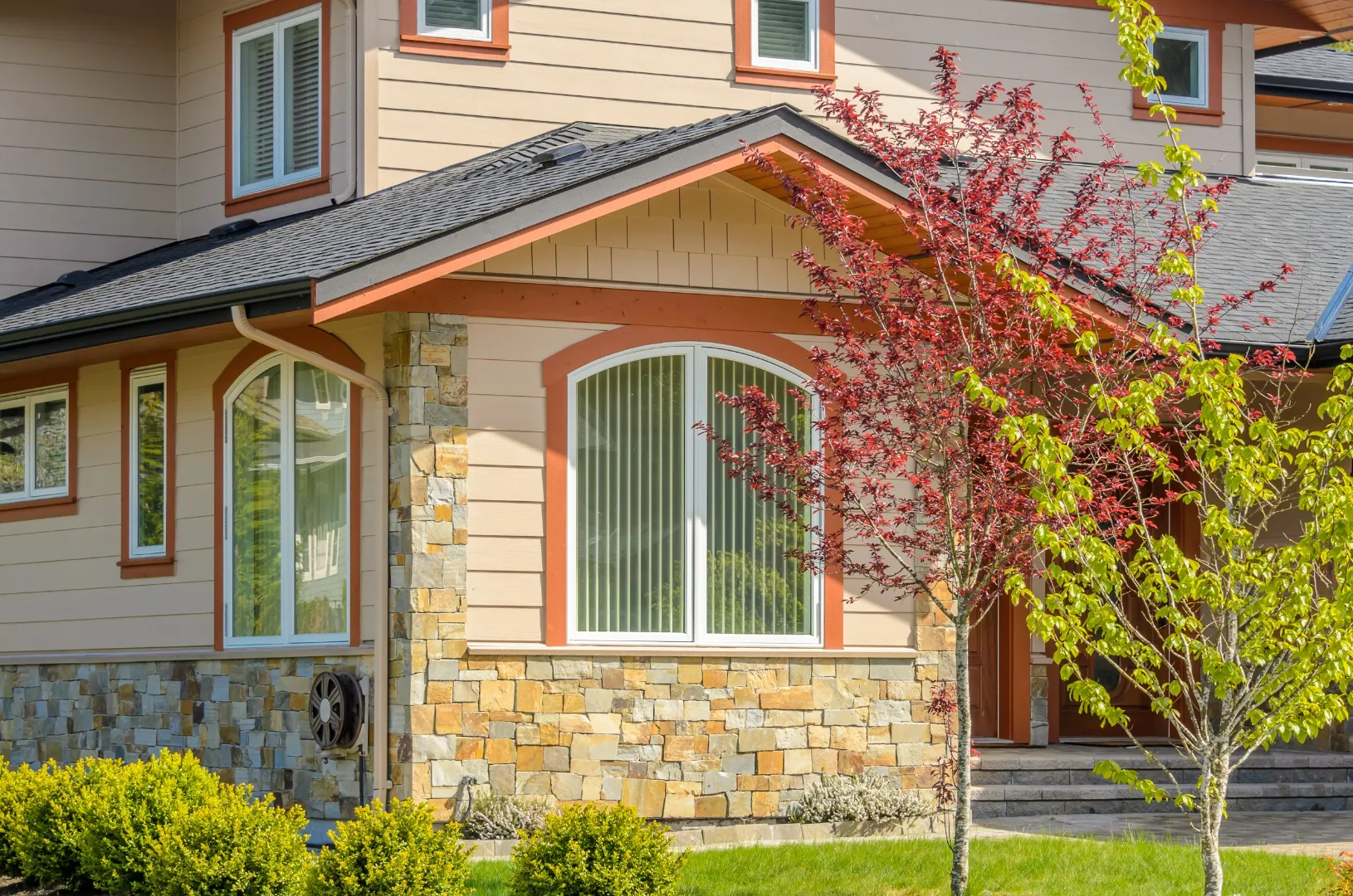
Curb appeal plays an important role when preparing a home for sale. Buyers often form an initial impression before they enter the property.
Old siding can make an otherwise well-maintained home appear neglected. Faded colors, damaged panels, stains, or warped boards may make buyers wonder whether other parts of the property also need repairs.
New siding creates a cleaner and more consistent appearance. Choosing a color and style that complements the home's architecture can make the exterior look more modern without making the property appear overly customized.
For homeowners planning to sell, this visual improvement can be particularly useful because exterior improvements are visible in listing photographs, online searches, and in-person viewings.
Does Siding Increase Home Value More Than Painting?
It depends on the condition and material of the existing exterior.
Painting may be enough when siding is structurally sound and simply looks faded or outdated. In this situation, a new coat of paint can refresh the appearance at a lower cost than a complete siding replacement.
Replacement may make more sense when the existing siding is cracked, warped, rotting, loose, or otherwise damaged.
Homeowners should therefore inspect the condition of their existing siding before deciding between painting and replacement.
Which Siding Materials Can Add Value?
Different siding materials offer different combinations of appearance, durability, maintenance requirements, and cost.
Vinyl Siding
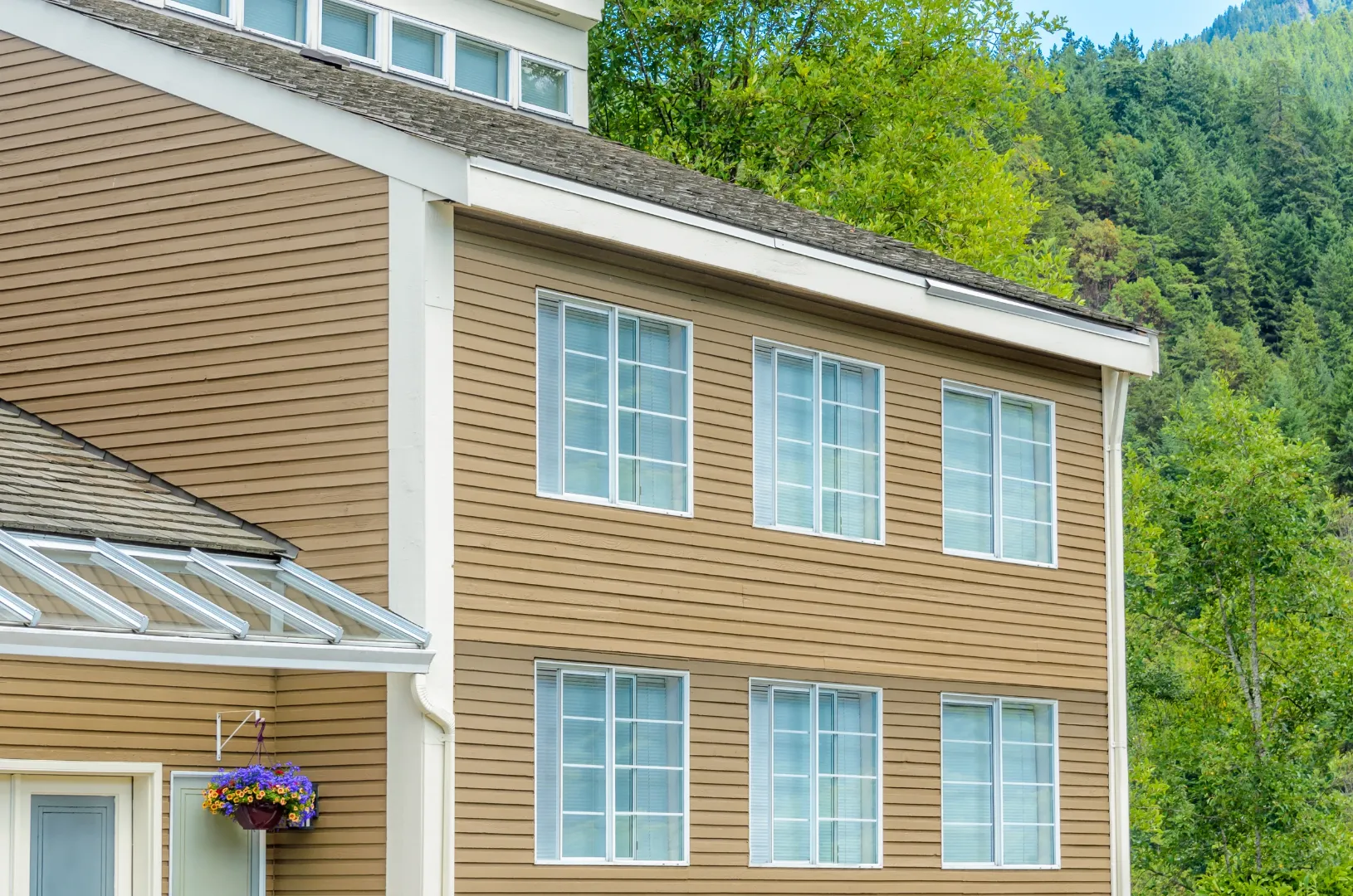
Vinyl siding is popular because it is generally affordable, relatively low maintenance, and available in many colors and styles. It can give an older home a clean, updated appearance without the maintenance associated with some traditional materials.
Fiber Cement Siding
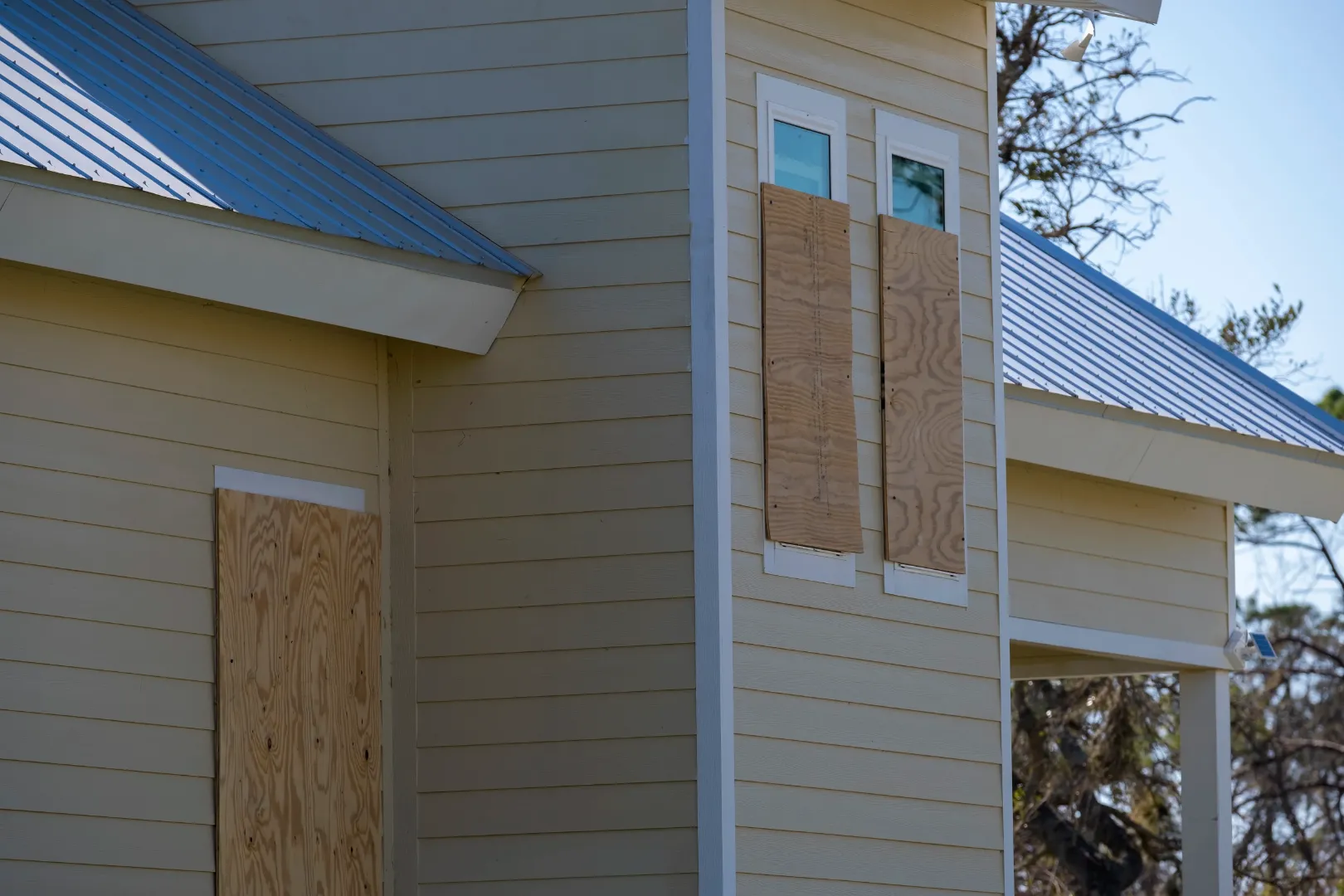
Fiber cement siding can provide the appearance of painted wood while offering resistance to several common exterior problems. It is available in different textures and styles and can work well with traditional and modern home designs.
Wood Siding
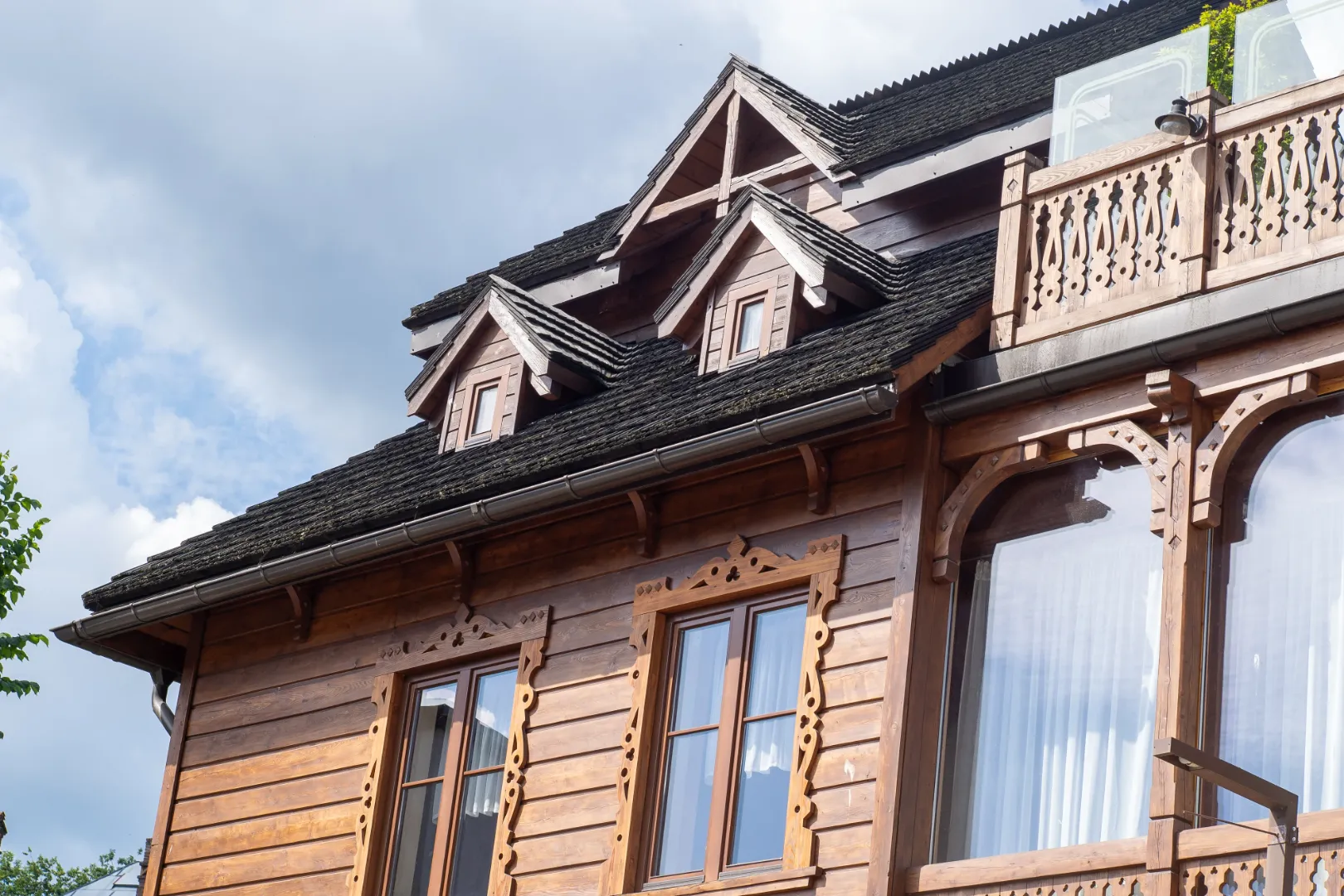
Wood siding can provide a natural appearance that many homeowners appreciate. However, it typically requires more maintenance than some other siding materials. Painting, staining, sealing, and regular inspections may be necessary depending on the type of wood and local climate.
Engineered Wood Siding
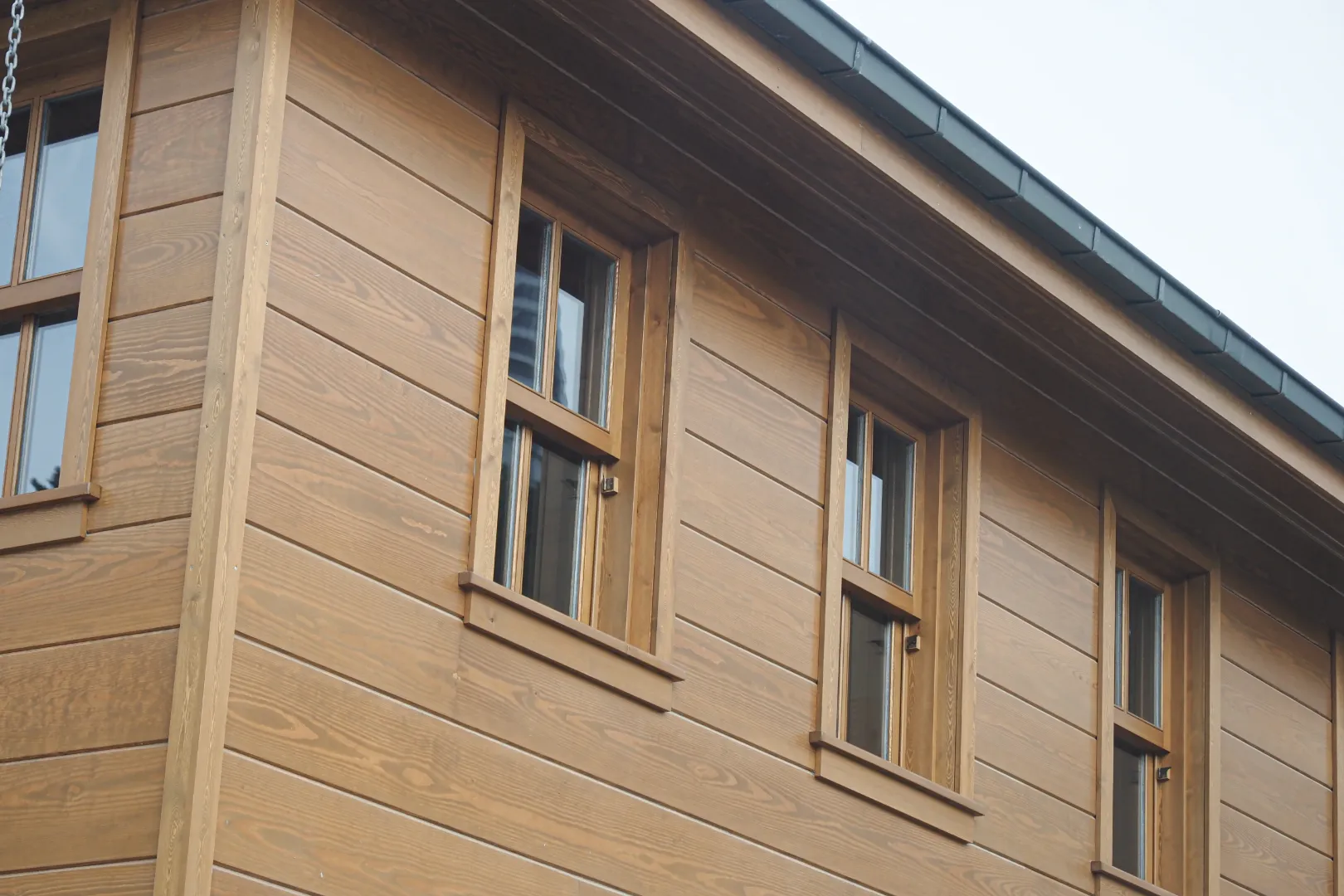
Engineered wood siding is designed to provide a wood-like appearance while addressing some of the maintenance and durability concerns associated with traditional wood siding.
The best option depends on the property's architecture, climate, budget, and maintenance expectations.
How Condition Affects the Value of New Siding
The condition of the existing siding can influence whether replacement provides meaningful value.
If the current siding is in poor condition, replacing it can address several visible problems at once. Buyers may also be less concerned about having to replace the exterior shortly after purchasing the home.
On the other hand, replacing siding that is already relatively new and in excellent condition may provide less financial benefit.
This is why homeowners should consider the age and condition of their current siding before investing in a replacement project.
Does Siding Increase Home Value Before Selling?
For homeowners preparing to sell, siding replacement can be part of a broader exterior improvement strategy.
Before making the investment, consider the rest of the property. A house with new siding but a damaged roof, poor landscaping, outdated windows, or other obvious maintenance issues may not receive the full benefit of the exterior upgrade.
It can be helpful to prioritize repairs that address visible problems and improve the overall condition of the property.
A balanced approach may include siding, landscaping, exterior lighting, entry doors, and other improvements that work together visually.
Does Siding Increase Home Value in Every Market?
No. Local market conditions matter.
The value buyers place on exterior improvements can vary by neighborhood, climate, housing style, and buyer expectations. In some markets, certain siding materials may be more desirable because they are common in the area or better suited to the local climate.
Homeowners should also consider comparable properties. If most nearby homes have well-maintained exteriors while yours has visibly damaged siding, replacement may help the property compete visually.
Local real estate professionals and contractors can provide insight into what buyers in a specific area tend to expect.
How Much Does New Siding Cost?
Siding costs vary considerably depending on the material, home size, architectural complexity, labor costs, removal of old siding, insulation requirements, and other project details.
For example, a simple exterior with easy access may cost less to replace than a multi-story home with complex architectural features.
Material costs are only one part of the total project. Homeowners should also consider:
- Removal of existing siding
- Disposal fees
- Labor
- Trim and accessories
- Moisture barriers
- Insulation
- Repairs to the underlying wall
- Permits where required
- Painting or finishing
- Additional architectural details
Getting several detailed estimates can make it easier to compare the actual scope of each proposal.
Should You Replace Siding Before Selling?
Whether to replace siding before selling depends on its condition, your budget, and the goals of the project.
If the siding is severely damaged or visibly deteriorated, replacement may help improve the home's presentation and eliminate a potential concern for buyers.
If the siding is still functional and only slightly dated, smaller improvements may provide a more practical solution.
You should also consider how long you plan to remain in the home. A homeowner who expects to stay for many years may place more value on durability, maintenance, and personal appearance preferences than someone preparing to sell soon.
Signs Your Siding May Need Replacement
Several signs can indicate that siding needs more than routine maintenance.
Look for:
- Cracked or broken panels
- Warping or buckling
- Rotting wood
- Persistent moisture damage
- Loose siding
- Extensive fading
- Peeling paint
- Mold or mildew
- Visible gaps
- Damage around windows and doors
Some problems may be repairable. Others can indicate that replacement is more appropriate.
A professional inspection can help determine whether the siding itself is the problem or whether there is an underlying moisture issue.
Siding and Home Maintenance
New siding can improve the appearance of a property, but it should not replace regular home maintenance.
Gutters should remain clear, roof problems should be addressed promptly, and leaks should be repaired before they cause damage behind the siding.
Proper installation is also important. Even high-quality siding can perform poorly if it is installed incorrectly.
A qualified contractor should evaluate the wall surface, flashing, moisture protection, ventilation requirements, and other details before installation.
Conclusion
So, Does Siding Increase Home Value? New siding can contribute to a home's value by improving curb appeal, addressing exterior deterioration, and giving buyers a more updated and well-maintained property.
The potential benefit depends on the home's existing condition, siding material, installation quality, local market, and overall project cost. Replacing severely damaged siding may offer a more noticeable benefit than replacing siding that is still relatively new and functional.
Before starting a project, compare repair and replacement options, research suitable siding materials, and obtain detailed estimates from qualified contractors. Most importantly, look at siding as part of the home's overall condition rather than as a standalone investment.
When the exterior is properly installed, visually appealing, and suited to the home, new siding can be a practical improvement that benefits both homeowners and potential buyers.