
Can You Paint House Siding?
Key Takeaways
- Most common siding materials can be painted, including wood, vinyl, fiber cement, aluminum, and steel.
- The condition of the siding matters. Damaged, rotten, warped, or deteriorated siding should be repaired or replaced before painting.
- Proper cleaning, preparation, repairs, and primer are important for achieving a durable exterior finish.
- Always choose paint designed for your specific siding material, especially when painting vinyl or metal siding.
- Painting can be a more affordable way to refresh a home's exterior when the existing siding is still structurally sound.
Table Of Contents
- What Types of House Siding Can Be Painted?
- Wood Siding
- Vinyl Siding
- Fiber Cement Siding
- Aluminum Siding
- Steel Siding
- Why Paint House Siding?
- Change the Color
- Improve Curb Appeal
- Protect Certain Siding Materials
- Delay Replacement
- When Should You Not Paint House Siding?
- How to Prepare Siding for Painting
- 1. Inspect the Siding
- 2. Clean the Surface
- 3. Remove Loose Paint
- 4. Prime When Necessary
- 5. Protect Nearby Areas
- What Kind of Paint Should You Use on House Siding?
- What Color Should You Paint House Siding?
- Can You Paint Vinyl Siding a Dark Color?
- How Many Coats of Paint Does Siding Need?
- Should You Use a Brush, Roller, or Sprayer?
- What Is the Best Weather for Painting Siding?
- How Long Does Painted Siding Last?
- Is It Cheaper to Paint or Replace Siding?
- Can You Paint Siding Yourself?
- Common Mistakes to Avoid
- Painting Dirty Siding
- Skipping Repairs
- Choosing the Wrong Paint
- Ignoring Weather
- Choosing an Unsuitable Dark Color for Vinyl
- Applying Paint Too Thickly
- Conclusion
Yes, you can paint house siding, but whether it is a good idea depends on the type, age, and condition of the siding. Many homeowners paint siding to refresh the appearance of their home, change its color, or extend the time before replacement.
Wood siding is generally easy to paint, while fiber cement and some metal siding can also be painted successfully with the right preparation. Vinyl siding can be painted as well, but it requires more care when choosing the paint color and product.
Painting siding can be less expensive than replacing it, but it is not always the right solution. If the siding is severely damaged, rotting, warped, or failing, replacement may provide a better long-term result.
What Types of House Siding Can Be Painted?
Different siding materials require different preparation and painting methods.
Wood Siding
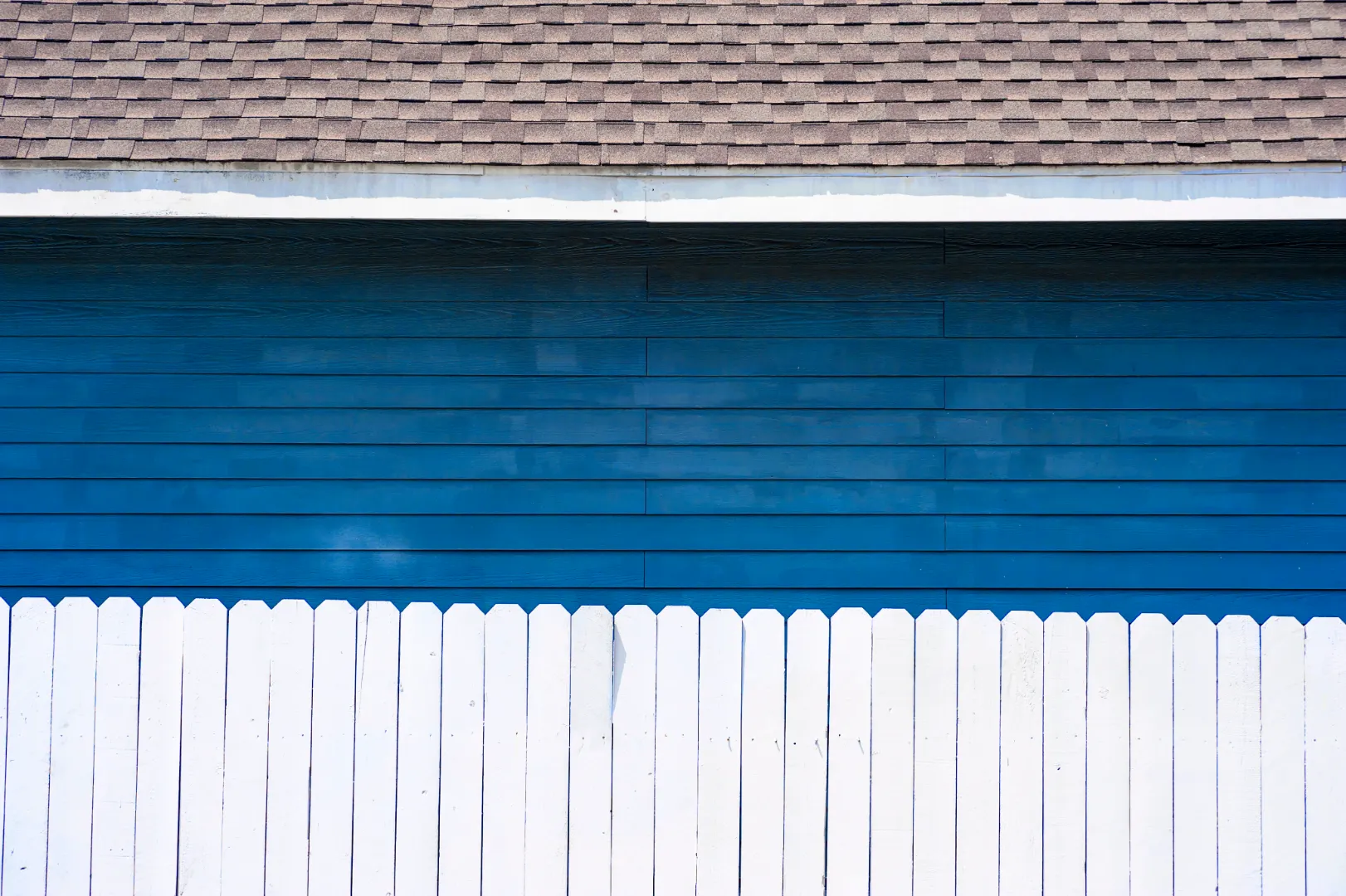
Wood siding is one of the easiest types of siding to paint.
Wood can be painted or stained, allowing homeowners to change its appearance while adding a layer of protection against moisture and weather.
Before painting wood siding, the surface should be cleaned, scraped, sanded when necessary, and primed where appropriate.
Any rotten or damaged boards should be repaired or replaced before painting.
Vinyl Siding
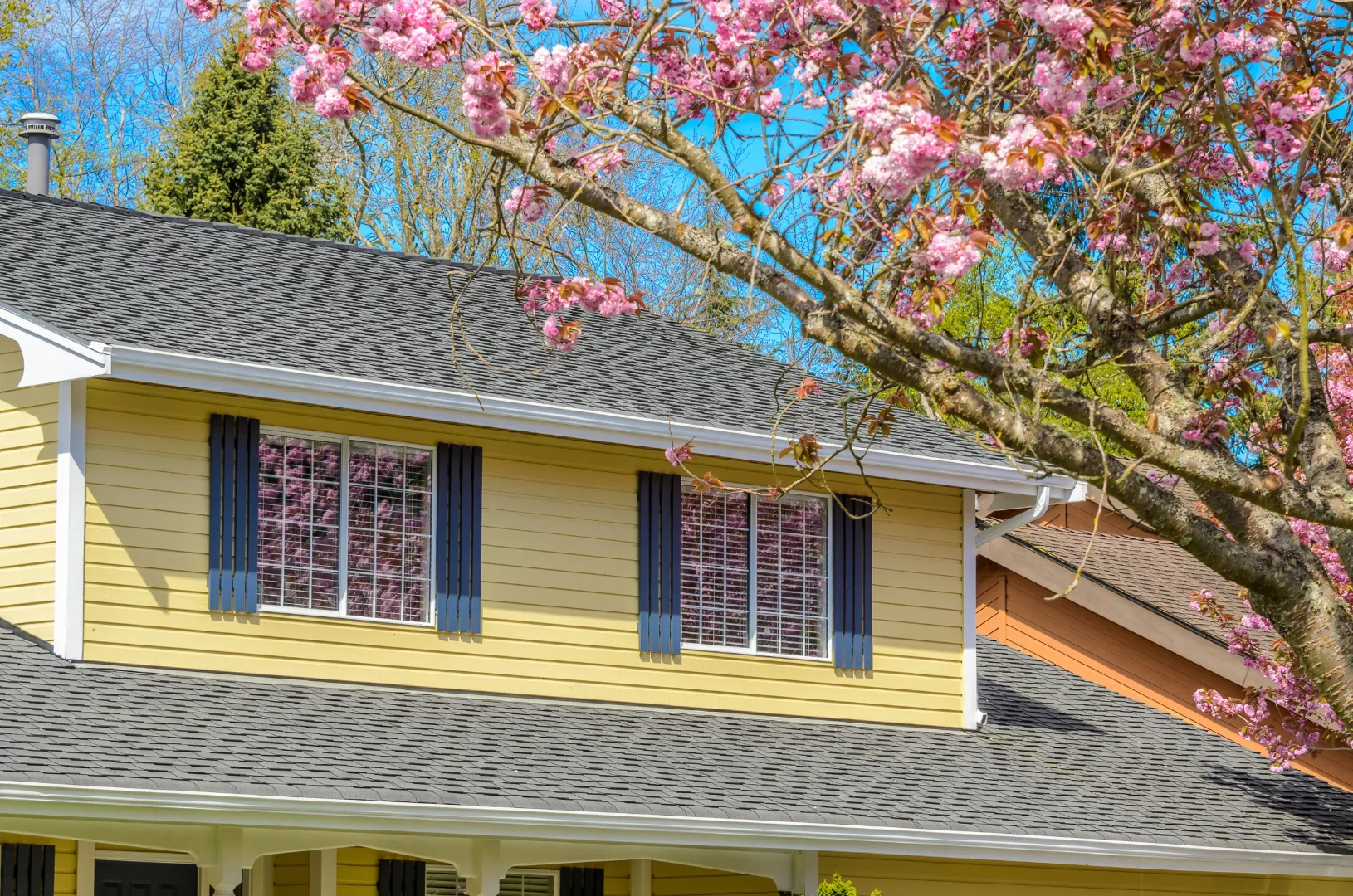
Vinyl siding can be painted, but there are some important considerations.
Vinyl expands and contracts as temperatures change. The paint needs to be flexible enough to accommodate this movement.
Color selection is also important. Very dark colors can absorb more heat from sunlight, which may cause vinyl siding to become excessively hot and potentially warp.
Look for paint specifically formulated for vinyl siding and follow the manufacturer's recommendations regarding acceptable colors.
Fiber Cement Siding
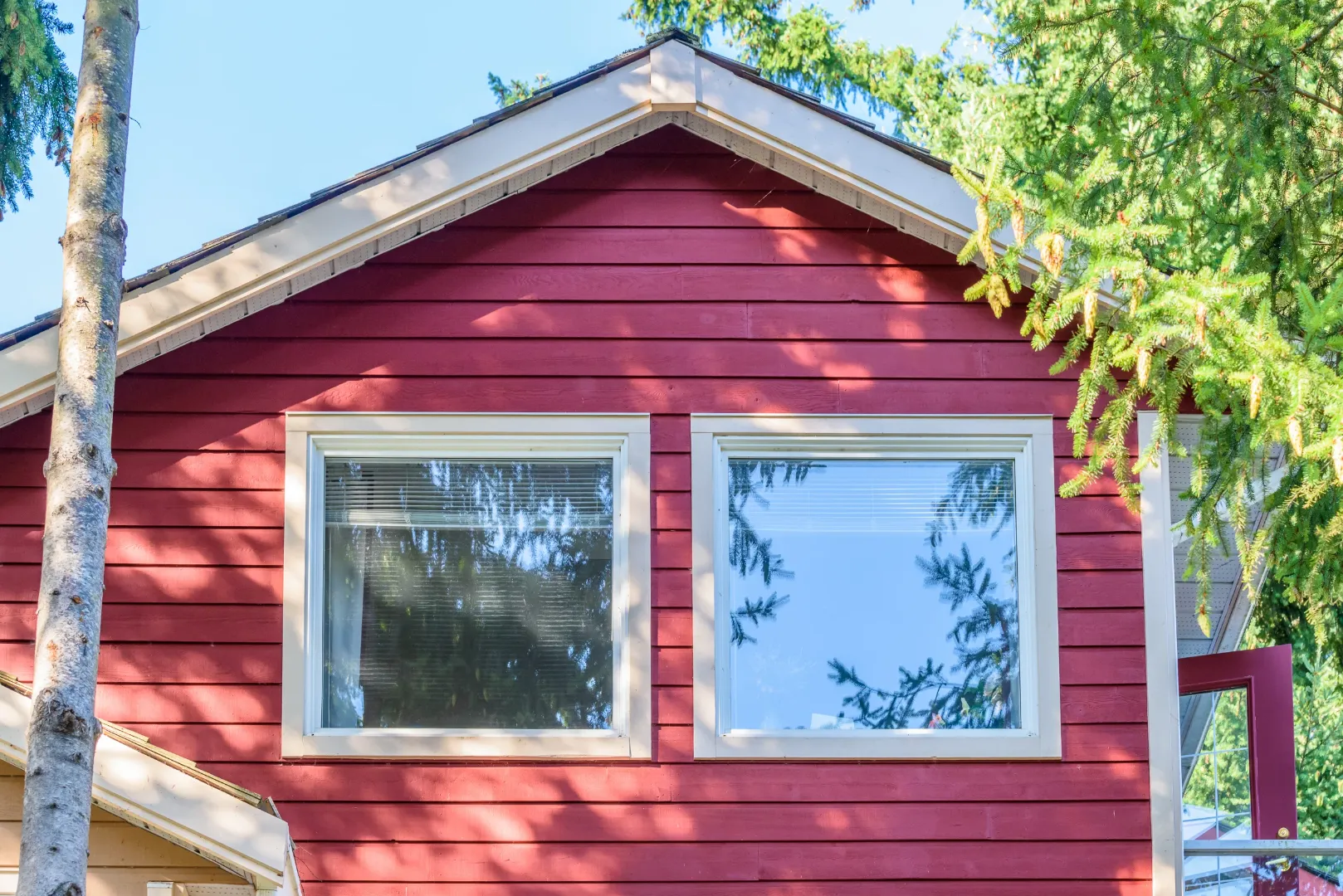
Fiber cement siding can generally be painted successfully.
It is commonly made from a mixture of cement, cellulose fibers, sand, and other materials. Because of its durability, fiber cement siding can hold paint well when properly prepared.
New fiber cement siding may already have a factory-applied finish or primer. Check the manufacturer's instructions before painting.
Aluminum Siding
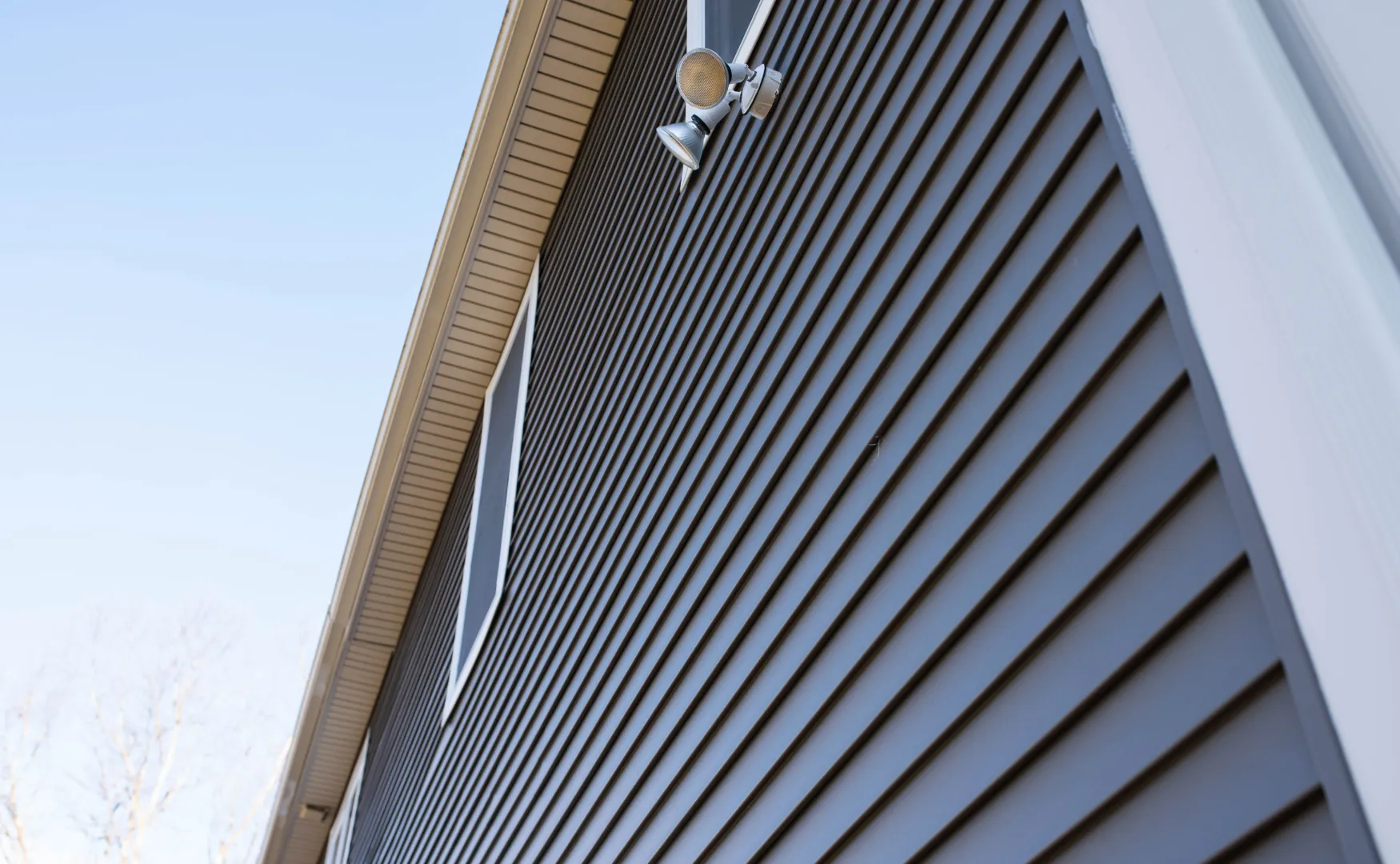
Aluminum siding can also be painted.
Older aluminum siding may fade, chalk, or develop oxidation over time. Proper cleaning and preparation are especially important before applying new paint.
A high-quality exterior acrylic paint is often suitable, but the paint manufacturer's recommendations should be followed.
Steel Siding
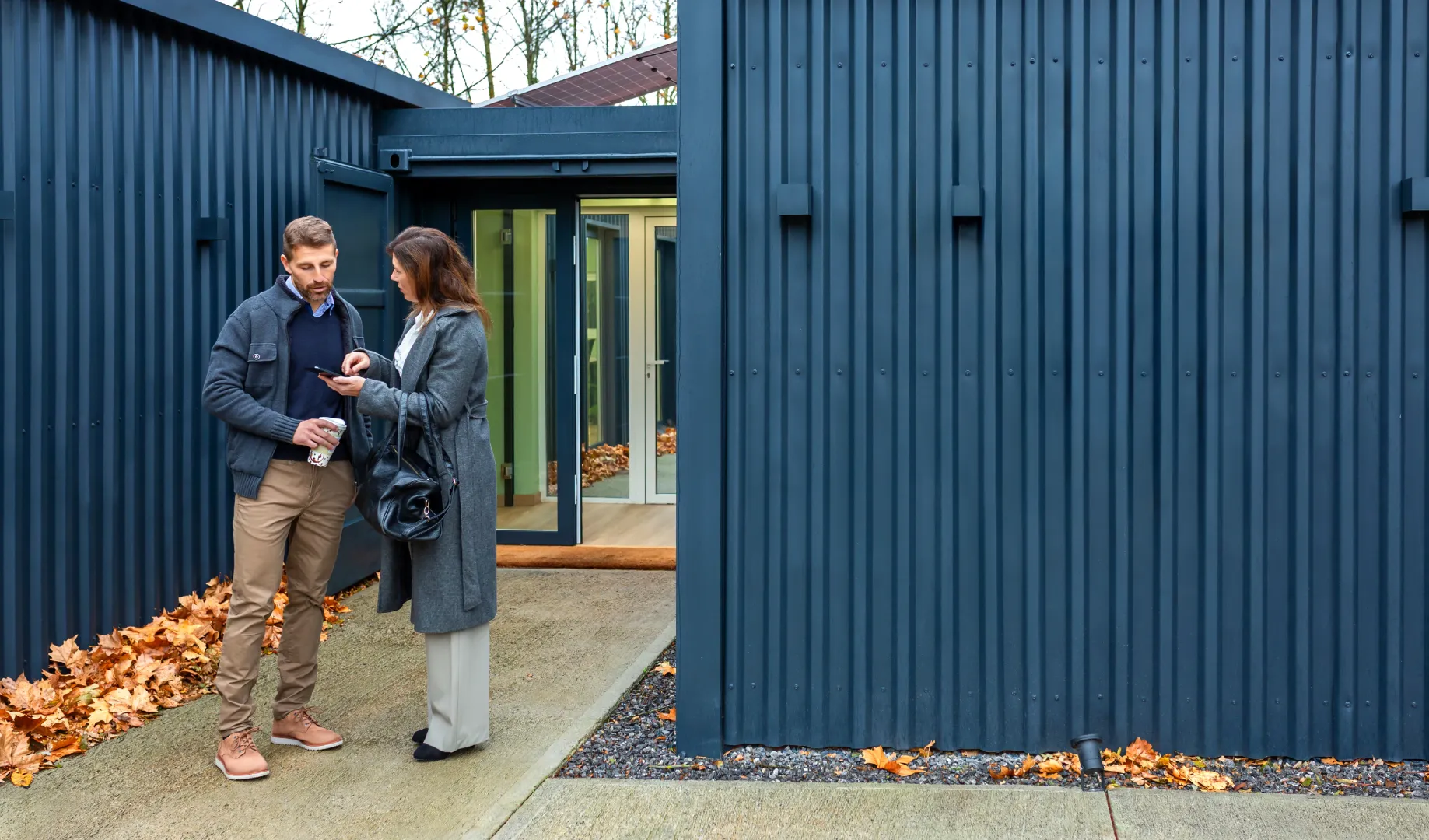
Steel siding can be painted when the surface is properly prepared.
Any rust should be removed or treated before painting. Areas with peeling paint or damaged coatings should also be addressed.
Because steel siding can be exposed to moisture and weather, preparation is particularly important for achieving a durable finish.
Why Paint House Siding?
Painting siding can offer several benefits.
Change the Color
One of the simplest reasons to paint siding is to update the home's appearance.
Instead of replacing the entire exterior, painting can provide a new color and refreshed look.
Improve Curb Appeal
Faded or worn siding can make a house look older than it is. A fresh coat of exterior paint can make the property look cleaner and more maintained.
Protect Certain Siding Materials
Paint can provide an additional protective coating on materials such as wood.
A properly applied exterior paint system can help protect wood from moisture and weather exposure.
Delay Replacement
If the siding is structurally sound but looks faded or outdated, painting may allow you to postpone replacement.
However, paint should not be used to hide serious structural damage.
When Should You Not Paint House Siding?
Painting is not always the best option.
You should consider repair or replacement first if the siding has:
- Extensive rot
- Severe cracking
- Warping
- Significant water damage
- Loose or missing sections
- Severe rust
- Structural deterioration
- Extensive mold or moisture damage
Painting over damaged siding will not fix the underlying problem.
For example, if wood siding has extensive rot, adding another layer of paint will not restore the damaged wood.
How to Prepare Siding for Painting
Proper preparation is one of the most important parts of a successful siding painting project.
1. Inspect the Siding
Walk around the house and inspect the siding carefully.
Look for cracks, holes, loose boards, rot, rust, mildew, and areas where the existing paint is peeling.
Repair or replace damaged sections before continuing.
2. Clean the Surface
Dirt, dust, mildew, chalk, and other buildup can prevent paint from bonding properly.
Clean the siding using an appropriate exterior cleaning method. Avoid using excessive pressure, especially on older or damaged siding.
Allow the siding to dry completely before painting.
3. Remove Loose Paint
If the existing paint is peeling or flaking, scrape away the loose material.
The goal is to create a stable surface for the new coating.
Depending on the siding material and condition, sanding may also be necessary.
4. Prime When Necessary
Primer can help improve adhesion and create a more consistent surface.
Priming is especially important when:
- Bare wood is exposed
- The existing surface is heavily weathered
- There are stains or discoloration
- You are painting certain metal surfaces
- The manufacturer's instructions require it
Use a primer designed for the specific siding material.
5. Protect Nearby Areas
Cover windows, doors, plants, outdoor lights, and other areas that should not receive paint.
Use painter's tape and protective coverings where appropriate.
What Kind of Paint Should You Use on House Siding?
The best paint depends on the siding material.
For many exterior siding applications, high-quality 100% acrylic latex exterior paint is a common choice.
However, there is no single paint that works best for every siding material.
For vinyl siding, choose a product specifically approved for vinyl and follow the siding manufacturer's recommendations.
For wood siding, use an exterior paint designed for wood and outdoor exposure.
For metal siding, select a coating appropriate for the specific metal surface.
Always read the paint manufacturer's instructions before application.
What Color Should You Paint House Siding?
Color choice depends on the siding material, architectural style, roof color, trim, and surrounding environment.
Popular siding colors include:
- White
- Gray
- Beige
- Cream
- Blue
- Green
- Brown
- Charcoal
- Black
However, homeowners should be more careful with very dark colors on vinyl siding.
Dark colors absorb more solar heat and can contribute to expansion, contraction, and warping. Some manufacturers now offer vinyl-safe dark colors, but you should always confirm that the specific paint and color are suitable for your siding.
Can You Paint Vinyl Siding a Dark Color?
Sometimes.
Modern paint products are available in colors designed for vinyl siding, including some darker shades.
However, not every dark exterior paint is appropriate for vinyl.
Before choosing a color, check both the vinyl siding manufacturer's recommendations and the paint manufacturer's instructions.
Using an unsuitable dark color can increase heat absorption and potentially cause the siding to warp or buckle.
How Many Coats of Paint Does Siding Need?
Many siding projects require one to two coats, depending on the existing surface, color change, paint product, and coverage.
A primer may also be required.
For example, painting a light color over a similar existing color may require less coverage than painting a very light color over a dark surface.
Follow the paint manufacturer's recommended coverage and drying time rather than applying additional coats simply because the surface looks uneven while wet.
Should You Use a Brush, Roller, or Sprayer?
All three methods can be used depending on the siding and project.
A brush provides good control around edges, corners, trim, and detailed areas.
A roller can work well on certain flat siding surfaces and can cover larger areas faster than a brush.
A sprayer can provide an even finish and cover large areas quickly, but it requires careful masking and proper technique.
Many professional painters combine methods, using a sprayer for broad areas and a brush or roller for detailed work.
What Is the Best Weather for Painting Siding?
Exterior paint generally performs best when applied in suitable weather conditions.
Avoid painting when:
- Rain is expected
- The surface is wet
- Humidity is extremely high
- Temperatures are outside the paint manufacturer's recommended range
- Strong winds are present
- The siding is extremely hot from direct sunlight
Always check the specific paint product's temperature and weather requirements.
Painting under unsuitable conditions can lead to poor adhesion, uneven drying, cracking, or other finish problems.
How Long Does Painted Siding Last?
The lifespan of painted siding depends on the material, climate, paint quality, preparation, and application.
A well-prepared and properly painted surface can last for years, but exterior paint eventually fades and needs maintenance.
Wood siding may require more regular maintenance because wood is naturally affected by moisture and weather.
Vinyl and fiber cement may require less frequent repainting, but their coatings can still fade or deteriorate over time.
Regularly inspect your siding so you can address peeling, cracking, moisture problems, or other damage before they become more serious.
Is It Cheaper to Paint or Replace Siding?
Painting is generally less expensive than completely replacing siding when the existing material is still in good condition.
However, the cost comparison depends on:
- Size of the house
- Type of siding
- Condition of the existing siding
- Labor costs
- Paint quality
- Repairs required
- Cost of new siding
If the siding is structurally sound and you mainly want a new appearance, painting can be a cost-effective option.
If the siding has widespread deterioration, replacement may make more financial sense in the long run.
Can You Paint Siding Yourself?
Yes, many homeowners can paint siding themselves if they are comfortable with exterior preparation, ladders, equipment, and painting.
However, painting an entire house can be a significant project.
You need to account for:
- Surface preparation
- Repairs
- Cleaning
- Primer
- Paint
- Equipment
- Weather
- Working at heights
- Drying times
Professional painters can complete large exterior projects more efficiently and may provide a more consistent finish.
Common Mistakes to Avoid
Several mistakes can reduce the lifespan of a siding paint job.
Painting Dirty Siding
Paint needs a clean surface to adhere properly. Dirt and mildew can interfere with adhesion.
Skipping Repairs
Do not paint over rotten wood, loose siding, or serious damage.
Choosing the Wrong Paint
Different siding materials have different requirements. Always select a product suitable for the surface.
Ignoring Weather
Rain, excessive heat, humidity, and cold temperatures can affect the paint's performance.
Choosing an Unsuitable Dark Color for Vinyl
Dark paint can absorb more heat. Use only colors and products approved for vinyl siding.
Applying Paint Too Thickly
More paint does not always mean better protection. Follow the manufacturer's recommended application thickness and coverage.
Conclusion
So, can you paint house siding?
Yes, in many cases you can. Wood, vinyl, fiber cement, aluminum, and steel siding can all be painted when the surface is in suitable condition and the correct preparation and paint products are used.
The most important step is determining whether painting is appropriate for your existing siding. If the siding is structurally sound but faded or outdated, painting can be an effective way to refresh your home's exterior without completely replacing it.
However, severely damaged, rotten, warped, or deteriorated siding may need to be repaired or replaced before painting.
With proper preparation, the right paint, suitable weather conditions, and careful application, painting your house siding can give your home a fresh appearance and extend the useful life of the existing exterior.